


The Rise of a New Afternoon Ritual
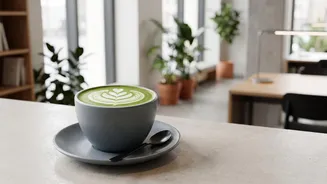
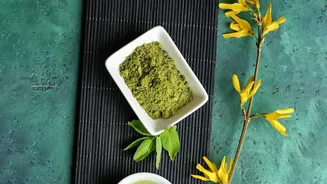
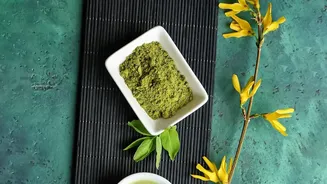
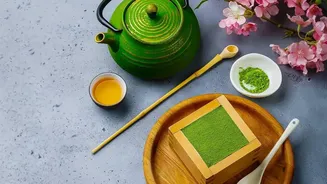
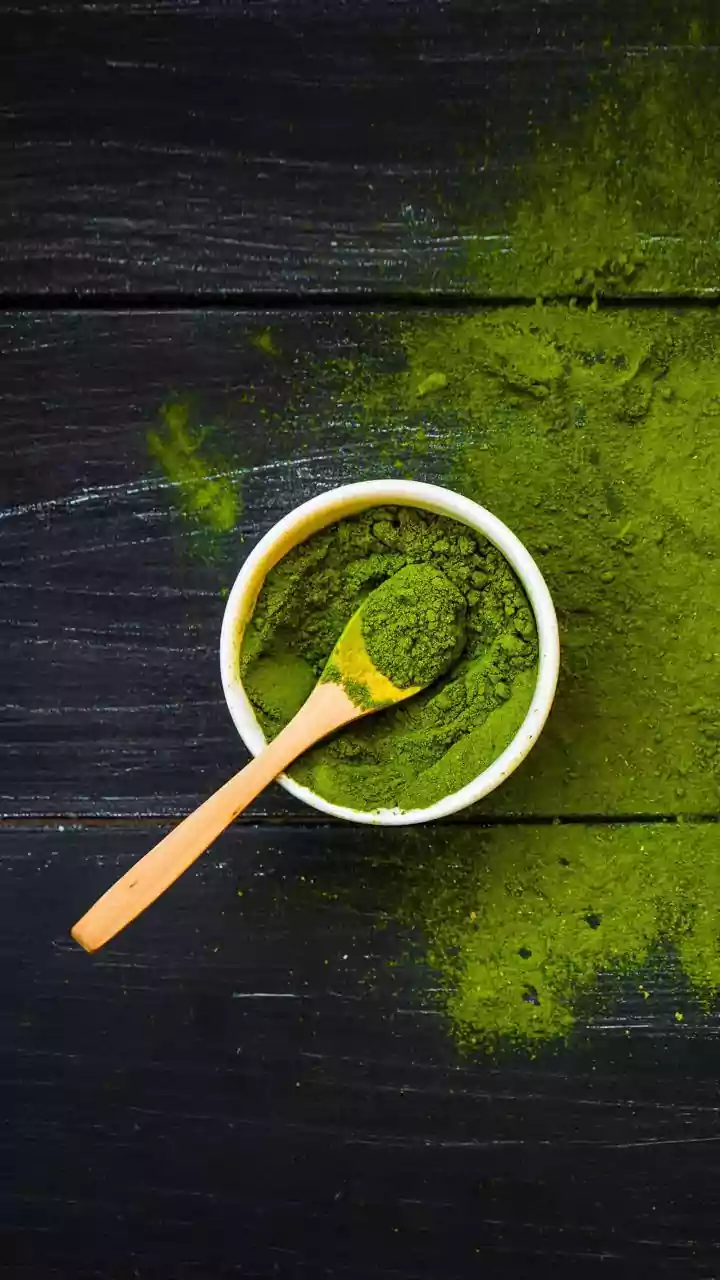
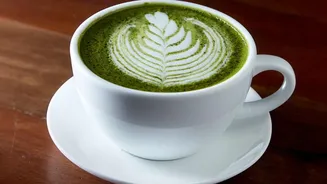
Walk into a café in Bengaluru, Hyderabad, or Gurugram, and you are likely to see a growing number of tables adorned with a striking green beverage. This is matcha, a finely ground powder of specially grown and processed green tea leaves, which is being
adopted as the go-to afternoon pick-me-up. Once a niche product associated with Japanese tea ceremonies, matcha is now a mainstream feature on the menus of specialty coffee chains and independent cafes across urban India. This trend is particularly pronounced among young, health-conscious professionals in the tech and creative industries who are looking for more than just a simple caffeine hit. They see it not just as a drink, but as part of a modern, wellness-oriented lifestyle.
The Science of Calm, Sustained Focus
So, why the switch from the ever-reliable cup of coffee or chai? The answer lies in matcha's unique chemical composition. While it contains caffeine, it also has high levels of an amino acid called L-theanine. This combination is the key to its appeal. Caffeine provides the alertness needed to power through complex coding problems or long meetings, but L-theanine promotes a state of calm and relaxation, effectively smoothing out the jittery side effects often associated with coffee. Studies have shown that the L-theanine and caffeine duo can improve attention, sharpen reaction time, and enhance cognitive performance without the dreaded energy crash that typically follows a few hours after a strong espresso. For a tech worker facing tight deadlines, this means sustained energy and focus that lasts throughout the afternoon.
More Than a Drink, It's a Mindful Moment
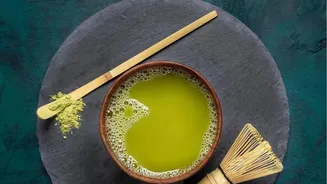
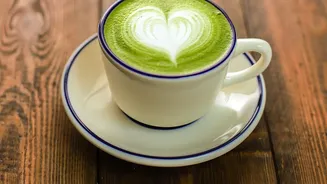
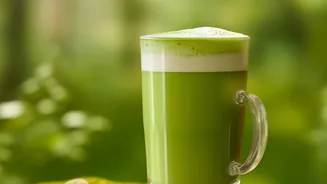
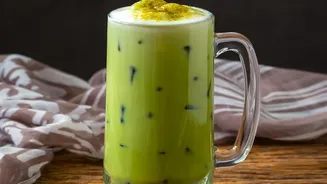
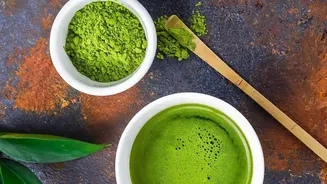
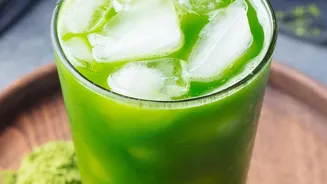
The appeal of matcha extends beyond its functional benefits. The preparation itself is often viewed as a therapeutic ritual that provides a welcome break from a hectic workday. Unlike an instant coffee, making a traditional matcha involves whisking the powder into hot water, a process that encourages a moment of mindfulness. This cultural and aesthetic aspect has been amplified by social media, where the visually appealing green latte has become a symbol of modern, mindful living. Cafes have capitalised on this by offering a wide variety of creative preparations, from iced matcha lattes to fruit-infused versions with mango or strawberry, making the drink more accessible and appealing to a broader Indian palate.
A Booming Market Responds to Demand
The growing preference for matcha has not gone unnoticed by the beverage industry. India's matcha market was valued at approximately USD 41.9 million in 2024 and is projected to grow at a rate of 8.6% annually, nearly double the pace of the traditional tea market. Major coffee chains like Blue Tokai and Third Wave Coffee were among the first to add matcha lattes to their menus, normalising the drink for a wider audience. The trend is also moving from cafes into homes. Recent data from Google Trends shows a massive 1,300% surge in searches for "how to make matcha" in India over the last year, alongside significant interest in matcha whisks and bowls. This indicates a deeper shift from casual curiosity to dedicated adoption, as consumers look to integrate this green ritual into their daily lives.