





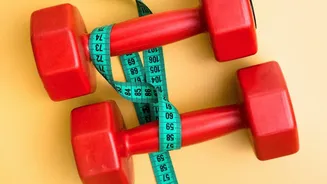


The Science of 'Exercise Snacking'
The idea that exercise only 'counts' if it's a continuous 30-minute session is officially outdated. Health guidelines from organizations like the World Health Organization and the American Heart Association now emphasize that all activity adds up. This
has given rise to the concept of 'exercise snacking' — brief, independent bouts of moderate-to-vigorous activity performed throughout the day. Studies show that breaking up your activity into smaller, 10-minute chunks can deliver the same cardiovascular and metabolic benefits as one longer session. In fact, research has found that just a few one-to-two minute bursts of vigorous movement, like fast walking or stair climbing, are associated with a lower risk of cardiovascular death and cancer.
More Than Just Physical Benefits
The advantages of these mini-workouts go beyond heart health and weight management. A short burst of activity can be a powerful tool for your mind. Research shows that just 10 minutes of exercise can improve your mood, reduce anxiety, and sharpen your focus. This makes a quick lunchtime walk or a mid-afternoon stretch session a great way to beat the workday slump and boost productivity. These short sessions also have a positive effect on your metabolism, helping to improve blood sugar control and burn extra calories not just during the activity, but afterward as well. The release of endorphins during these brief spurts of movement can leave you feeling happier and more energized.
How to Fit 'Snacks' Into Your Day
Integrating exercise snacks into your routine is more about mindset than scheduling. The key is to reframe what you see as an opportunity for movement. Instead of seeing the stairs as an obstacle, view them as a built-in workout. A study found that even three 30-second all-out stair climbing sessions a few times a day can improve cardiorespiratory fitness. Here are some simple ways to get started: take the stairs instead of the lift, park farther away from your destination, or get off the bus one stop early. At work, swap a seated meeting for a walking one. At home, use commercial breaks during your favourite show to do bodyweight exercises like squats, push-ups against the kitchen counter, or planks.
Sample 10-Minute Routines
You don't need any equipment to get a great workout in a short amount of time. The focus should be on raising your heart rate. A 10-minute session of high-intensity interval training (HIIT) can be very effective. Try this simple routine: 1 minute of jogging in place, 30 seconds of jumping jacks, 30 seconds of high knees, 30 seconds of squats, and 30 seconds of push-ups. Rest for one minute, then repeat the circuit twice more. You can also find countless free 5- or 10-minute workout videos online, ranging from standing routines to chair exercises. Remember that even a brisk 10-minute walk after lunch counts and contributes to your daily activity goal.
Consistency Is Key
The biggest advantage of short workouts is that they are easier to stick with. For many, the idea of a long gym session can be intimidating, leading to procrastination. By contrast, a 10-minute 'exercise snack' feels manageable and achievable, which boosts adherence. The goal is to build a sustainable habit. Starting with small, achievable goals, like adding 15 active minutes to your day, makes you more likely to succeed and even take on more activity over time. Remember, the most significant health gains are often seen when people go from being inactive to doing even a little bit of activity. Any movement is better than none, so celebrate what you can accomplish each day.