






An Alert in the Skies
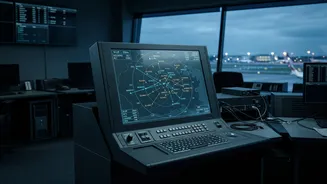
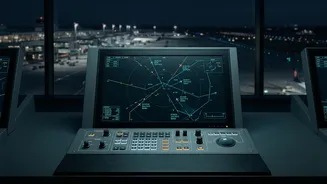
On an otherwise routine flight, air traffic controllers in Mumbai saw the one signal they are trained to dread. An aircraft on their screens began 'squawking' code 7500, the universal signal for unlawful interference, or a hijacking. The response was
immediate and followed strict protocols. Security agencies were alerted, and a decision was made to divert the aircraft to the nearest secure airport as a precaution. Passengers on board were unaware of the drama unfolding on the ground, but for the air traffic controllers and security personnel watching, it was a high-stakes situation where every second counted.
Understanding the Hijack Code
The 7500 squawk code is a silent, discreet way for a flight crew to alert authorities that they are in distress without tipping off potential aggressors on board. An aircraft's transponder, which communicates with ground radar, is switched to this specific four-digit code. On an air traffic controller's screen, this instantly changes the aircraft's identifier, often turning it red and triggering alarms. FAA and international protocols dictate that controllers then attempt to verify the code with the pilot. However, if the pilot does not respond, or even if they verbally deny an issue after the code is sent, the situation is treated as a genuine hijacking until proven otherwise. This 'better safe than sorry' approach is designed to protect lives in a worst-case scenario.
A False Alarm, But Real Questions
Thankfully, the incident ended without harm. The aircraft landed safely, was taken to an isolation bay, and after thorough security checks, it was declared safe. Passengers were deplaned and screened before the flight was cleared to continue to its destination. But while the threat was not real, the confusion was. Initial reports suggested the pilot may have entered the code by mistake, a rare but not impossible occurrence. However, sources close to the investigation say the pilots have denied setting the code, pointing instead to a potential technical glitch. This discrepancy is at the heart of the new investigation.
The Investigation's Focus: Man or Machine?
The Directorate General of Civil Aviation (DGCA) has launched a full-scale investigation, not just into the actions of the flight crew, but into the air traffic control system itself. Investigators are now considering the possibility that a malfunction in the ground-based radar or ATC software could have generated a 'ghost' signal, creating a false positive of a hijacking. This shifts the focus from simple human error to a much more complex and potentially worrying question: could the systems we rely on to keep our skies safe be developing faults of their own? The probe will meticulously examine every piece of data from the flight, including cockpit voice recorders and communications logs between the pilots and multiple ATC centres.
Pressure in the System
This incident serves as a stark reminder of the immense pressure on both pilots and air traffic controllers. They operate in a zero-error environment where a single misplaced digit or a software bug can trigger a massive security response, costing time, resources, and causing significant disruption. As aviation becomes more technologically advanced, the interaction between human operators and automated systems becomes more critical. Ensuring these systems are not only robust but also fail-safe is paramount. The investigation will look at the three key factors: the human, the machine, and the environment, to determine the root cause and prevent a recurrence.