
For those with curly hair, the quest for defined, frizz-free ringlets can feel like a lifelong journey. You might have the best products on your shelf, but the secret to unlocking their full potential lies in when you apply them.
The Great Debate: Wet vs. Damp Styling
Every curly-haired person
has faced the pivotal post-shower question: do you apply your styling products to soaking wet hair or wait until it's just damp? The internet is full of conflicting advice. Wet styling, where products are applied to dripping hair, is often praised for its ability to create large, defined curl clumps and minimize frizz. The logic is that applying stylers while the hair is saturated helps lock in as much moisture as possible. However, this method can also weigh hair down, leading to less volume at the root and significantly longer drying times. Damp styling, on the other hand, involves gently removing excess water before applying products. This approach is gaining traction for a reason—it often strikes the perfect balance between definition, volume, and practicality.
The Science of a Hair Strand
To understand why damp styling is so effective, we need to look at the hair itself. Each strand is covered in an outer layer of overlapping scales called the cuticle. When hair gets wet, it swells as it absorbs water, causing these cuticle scales to lift and open. This is also when the temporary hydrogen bonds that give hair its shape are broken, allowing you to 'reset' your style. When your hair is soaking wet, the cuticles are fully raised, and the hair is swollen with water. If you apply a product at this stage, it can be diluted by the excess water, or worse, struggle to adhere properly and simply slide off as your hair dries. Think of it like trying to paint a wet wall—the paint just won't stick as effectively.
Damp Hair: The Styling Sweet Spot
Damp hair is the ideal canvas for styling. At this stage, the hair has absorbed enough water to break those hydrogen bonds, making it pliable and ready to be shaped into defined curls. However, it isn't so saturated that the cuticles are wide open. The cuticle layer has started to settle back down, but it's still receptive enough for styling products to penetrate and coat the hair shaft effectively. This allows your curl creams and gels to work their magic without being watered down, leading to better hold and definition. As your hair finishes drying, the new hydrogen bonds lock into place around your styled curls, and the cuticle seals shut, trapping the product and moisture inside for a smooth, frizz-free finish.
Your Step-byStep Damp Styling Guide
Ready to give it a try? The goal is hair that's not dripping but is still evenly moist. First, after washing and conditioning, gently squeeze out excess water. Avoid rubbing with a rough terrycloth towel, which can cause frizz and disrupt your curl pattern. Instead, use a microfiber towel or an old cotton tshirt to scrunch your hair for a few minutes. This technique, often called 'plopping', absorbs excess water without creating friction. Your hair should feel cool and damp to the touch, not sopping wet. Next, work in sections. Apply your chosen leavein conditioner or curl cream, using methods like 'raking' (using your fingers as a comb) or 'praying hands' (smoothing the product down the hair shaft between your palms). Follow up with a gel or mousse to provide hold, scrunching it in to encourage curl formation. This ensures even product distribution and helps each ringlet take shape.
Common Mistakes and How to Fix Them
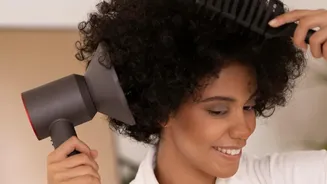
Even with the right technique, a few missteps can stand between you and perfect curls. A major one is letting your hair get too dry before styling. If you notice sections starting to frizz or lose their curl clumps, don't be afraid to rewet them with a misting bottle before applying product. Another common issue is using the wrong amount of product. It's often easier to gauge how much you need on damp hair versus soaking wet hair, reducing the risk of a weigheddown or greasy look. Finally, resist the urge to touch your hair while it's drying. Disturbing your curls before they are fully set can break the 'cast' created by your gel, leading to frizz and less definition. Let them dry completely, either by airdrying or using a diffuser, before gently scrunching out any crunch for soft, defined ringlets.