
Peek into almost any kitchen pantry around the globe, and you are likely to find garlic and coriander. These two ingredients are culinary superstars, capable of transforming a simple meal into something special. But how do they do it?
The Science of Two Flavour Chameleons
Garlic and coriander's
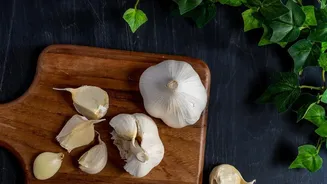
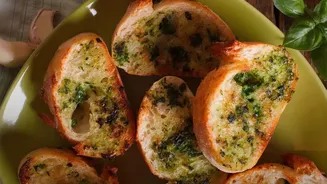
global success lies in their remarkable ability to change character. Raw garlic is famously pungent and sharp due to a sulfur compound called allicin, which is created only when the garlic's cells are crushed or chopped. This sharp bite is a natural defence mechanism for the plant. However, when you cook garlic, that intense allicin breaks down, mellowing into a sweet, savoury, and aromatic flavour. Coriander is a plant of two personalities. The seeds have a warm, nutty, and citrus-like flavour. The fresh leaves—known as cilantro in many parts of the world—are bright, herbaceous, and intensely fresh. This dual nature allows different parts of the same plant to play completely different roles in a dish.
The Heartbeat of Indian and Middle Eastern Kitchens
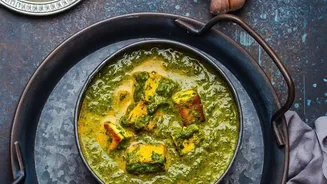
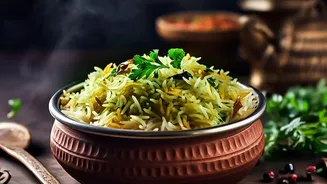
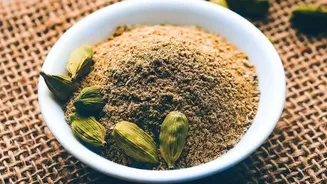
In Indian cooking, garlic and coriander are foundational. Garlic is often pounded with ginger to create an aromatic base paste for countless curries, its cooked flavour providing a savoury depth that supports layers of other spices. Meanwhile, ground coriander seed is a key component in spice blends like garam masala, offering earthy and citrus notes. Fresh coriander leaves are almost always used as a finishing touch, sprinkled over dishes just before serving to add a burst of fresh, clean flavour that cuts through the richness. Similarly, in Middle Eastern cooking, the pair features in marinades for shawarma and in vibrant sauces like chermoula. Ground coriander seed brings a floral warmth to spice blends, while garlic provides its pungent kick to everything from green bean side dishes to creamy dips.
A Fresh and Zesty Role in Latin America
Travel to Mexico, and you will find garlic and coriander used in a completely different way. Here, their raw, punchy flavours are celebrated. Freshly chopped coriander leaves (cilantro) are essential, providing a cooling, citrusy counterpoint in salsas, folded into guacamole, and generously sprinkled over tacos. Its job is to cut through the richness of grilled meats and add a vibrant, herbaceous lift. Garlic is also a staple, often roasted to bring out its sweetness before being blended into sauces and marinades. In this context, the ingredients are not cooked down into a subtle base; instead, they are front and centre, delivering a bold and immediate burst of flavour.
The Aromatic Base of Southeast Asian Cooking
In Thailand, the combination of garlic, coriander root, and pepper is considered a fundamental flavour base, sometimes called the 'three musketeers'. This paste predates the widespread use of chillies in the region and is pounded together to marinate meats or start soups and stir-fries. The coriander root, often discarded elsewhere, is prized for its intense, earthy flavour, which is deeper than that of the leaves. Garlic is used both raw in dips and fried until golden and crispy to be used as a fragrant garnish. Fresh coriander leaves are also used, but it's the unique application of the root that gives many Thai dishes their distinctive aromatic profile. This shows yet another transformation, where the ingredients are used to build a foundational, almost medicinal-smelling fragrance.