



Why Your Usual Stocking-Up Fails
The primary enemy during the rainy season is humidity. High moisture levels in the air, often soaring above 80-90 percent, create the perfect breeding ground for mould and bacteria. This is why pantry staples that last for months in dry weather suddenly
have a much shorter shelf life. Ground spices absorb moisture and form hard lumps, losing their aroma and flavour. Bags of flour and rice become susceptible to weevils and other pests. Biscuits, chips, and other dry snacks lose their crunch almost overnight. Even bread and bakery products spoil noticeably faster. The common Indian practice of buying groceries in bulk for the entire month becomes a recipe for wastage, as the damp environment accelerates spoilage.
The Shift to Smarter, Shorter Plans
The solution is simple: buy less, more often. Adopting a shorter storage plan means purchasing groceries in quantities that you will consume within a week or two. This strategy significantly reduces the risk of food spoilage from prolonged exposure to humidity. For items like flour, nutritionists recommend buying freshly milled atta in smaller quantities to maintain its freshness. Similarly, instead of large bottles of cooking oil that can go rancid, smaller packs are a better bet. This approach not only ensures fresher ingredients for your meals but also minimises the financial loss from throwing away spoiled food. It requires more frequent trips to the store, but the trade-off is fresher food and less waste.
Your Checklist: Grains, Flours, and Pulses
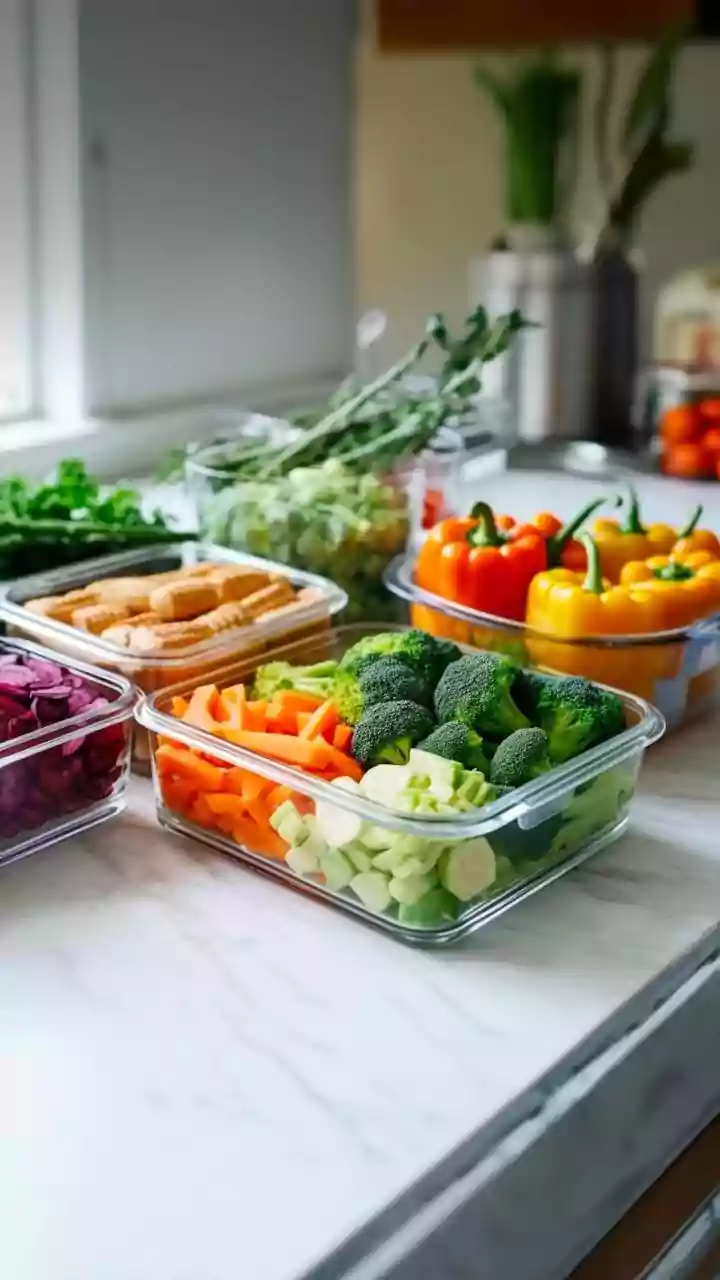
During the monsoon, how you store dry goods is just as important as how much you buy. Transfer all grains, flours, and pulses into clean, dry, airtight containers immediately after purchase. Glass or steel containers are generally better than plastic pouches for blocking moisture. A common mistake is to top up a half-full container with a new batch; it's always better to finish the old stock, clean the container, and then refill. For added protection against pests and moisture in items like lentils and pulses, you can add a few dry bay leaves or neem leaves to the container.
Navigating Fresh Produce
Leafy green vegetables are particularly tricky during the monsoon, as they can carry a lot of dirt and spoil quickly due to excess moisture. It's advisable to buy only what you need for a day or two. Hardy vegetables that thrive this season are a great choice, such as bottle gourd (lauki), bitter gourd (karela), ridge gourd (turai), and okra (bhindi). These vegetables are not only seasonal but are also easier to digest, which is beneficial when the humid weather can make digestion sluggish. Always wash vegetables thoroughly and dry them as much as possible before refrigerating to prolong their life.
Protecting Spices and Snacks
To prevent your precious masalas from turning into solid cakes, a few precautions are necessary. Always use a completely dry spoon to scoop out spices, as even a drop of moisture can cause clumping. Storing spice jars in a cool, dark cabinet away from the stove's heat and steam is crucial. Shaking spice jars directly over a steaming pot is a common habit that introduces a lot of moisture, so it's better to portion them out with a spoon first. For an extra layer of defence, placing a few grains of uncooked rice in your salt shaker or spice jars can help absorb excess moisture. As for snacks, transferring them to airtight tins or jars is the only way to keep them crisp.
Dairy, Breads, and Other Perishables
Milk and dairy products like paneer and curd are highly perishable and spoil even faster in the heat and humidity of the monsoon. It is best to buy these items daily or as needed, rather than stocking up. The same logic applies to bread, which is prone to developing mould quickly. Buying smaller loaves that can be consumed in a day or two is a much safer bet than trying to make a large loaf last the week. When it comes to nuts and seeds, which are rich in oils, they can turn rancid in the humid air. Store them in airtight containers in the refrigerator to extend their life.