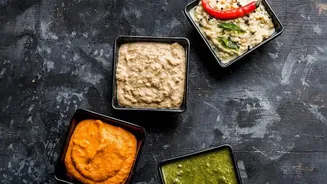







The Magic of Vegetable Purees
The secret to a thick, flavourful, and naturally creamy curry lies in your vegetable basket. Pureeing certain cooked vegetables is a classic technique to add body and richness. The base of many Indian gravies already starts with a puree of onion, ginger,
garlic, and tomato. Cooking these aromatics until they are soft and then blending them creates a smooth foundation. For extra creaminess, you can add other vegetables to the mix. Starchy vegetables like potatoes or sweet potatoes and flavourful ones like carrots or butternut squash are excellent choices. Simply boil or steam them until tender, then blend them into a smooth paste, with a little water if needed, before adding them to your curry. This not only thickens the sauce but also adds a subtle sweetness and a nutrient boost. An old restaurant trick is to use a puree of slowly sautéed onions, which adds a deep, savoury sweetness and incredible body.
Harnessing the Power of Nuts and Seeds
For a truly luxurious, North Indian restaurant-style creaminess, look no further than nuts and seeds. Cashew paste is the most popular choice, prized for its ability to create a silky texture with a neutral flavour that won't overpower the spices. To make it, soak raw cashews in hot water for at least 30 minutes, then blend them with a little fresh water until you have a completely smooth, cream-like paste. This can be stirred into the curry towards the end of cooking to thicken and enrich the sauce. Almonds can also be used in a similar way, often in combination with cashews. For a different profile, try pastes made from pumpkin seeds, sunflower seeds, or traditional melon seeds (magaz), which also lend a wonderful creaminess.
The Classic Coconut Route
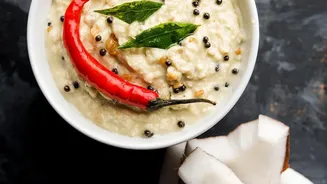
Coconut milk is a traditional and beloved ingredient for creating creamy curries, especially in South Indian and coastal cuisines. Its natural sweetness and distinct flavour profile pair beautifully with a wide range of spices. For the richest results, opt for full-fat canned coconut milk. It's important to add coconut milk towards the end of the cooking process and to simmer it gently. Boiling it too vigorously or for too long can cause it to split or 'curdle', resulting in a grainy texture. If your sauce is still not as thick as you'd like, you can create a slurry with a teaspoon of cornstarch and a little cold water, and stir that in to help thicken the coconut milk base.
Lentils and Legumes for Body
Lentils aren't just for dal; they can also be a fantastic thickening agent. Split red lentils (masoor dal) are particularly effective because they cook quickly and break down completely, melting into the sauce to create a naturally thick and creamy consistency. You can add a handful of rinsed red lentils to your curry along with the main liquid and let them simmer until they dissolve. Another method is to use cooked and pureed lentils of any kind. A tablespoon or two of gram flour (besan), which is made from chickpeas, can also be toasted in the pan with the spices at the beginning of cooking to help build a thicker, heartier gravy.
Unconventional Creaminess: Tofu and Oats
For those looking to experiment, some surprising ingredients can deliver excellent creamy results. Silken tofu, when blended with a small amount of water or plant-based milk, transforms into a neutral-tasting, high-protein cream substitute. Its custard-like texture is perfect for adding body to a curry without altering its flavour profile. Another increasingly popular option is oat milk or oat cream, especially 'barista' style blends which are formulated to be thicker and more heat-stable. Oat cream is conveniently ready to use and its mild flavour makes it a versatile choice that won't compete with your carefully balanced spices.