


The Science of Short Bursts
The idea that you need long, uninterrupted workouts to stay healthy is being challenged by science. A concept known as Vigorous Intermittent Lifestyle Physical Activity (VILPA) is gaining attention, and it refers to the short, intense efforts we embed
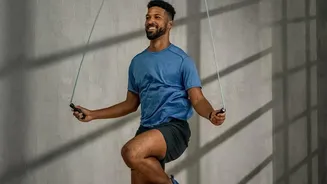
in our daily lives. This isn't about putting on workout gear; it's about doing routine tasks with gusto. Studies have found that accumulating just a few minutes of VILPA per day can lead to remarkable health improvements. One major study published in Nature Medicine tracked thousands of self-proclaimed non-exercisers and found that as few as three to four one-minute bursts of vigorous activity daily were associated with a nearly 50% reduction in the risk of death from cardiovascular disease.
Why Intensity Trumps Duration
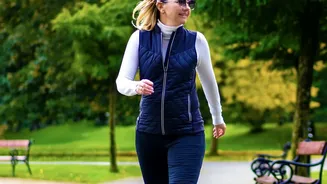
The key to VILPA is intensity. Vigorous activity is defined as movement that gets your heart rate up and leaves you breathless enough that holding a conversation becomes difficult. This level of effort triggers unique physiological responses that moderate activity doesn't achieve as efficiently. These include improved cardiovascular efficiency, better blood circulation, and enhanced metabolic function. Research has shown that increasing the intensity of your movement can lead to greater health benefits for the same amount of time spent. For example, converting a 14-minute stroll into a brisk 7-minute walk can provide a greater reduction in cardiovascular disease risk. The benefits aren't just limited to heart health; studies also link these short, intense bursts to a lower risk of dementia, type 2 diabetes, and certain cancers.
Your High-Intensity Chore List
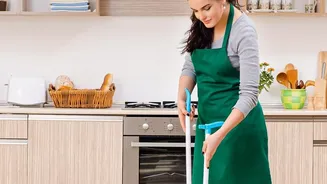
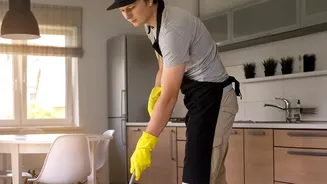
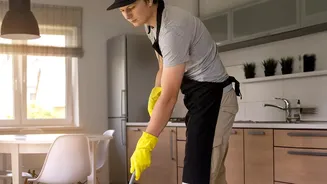
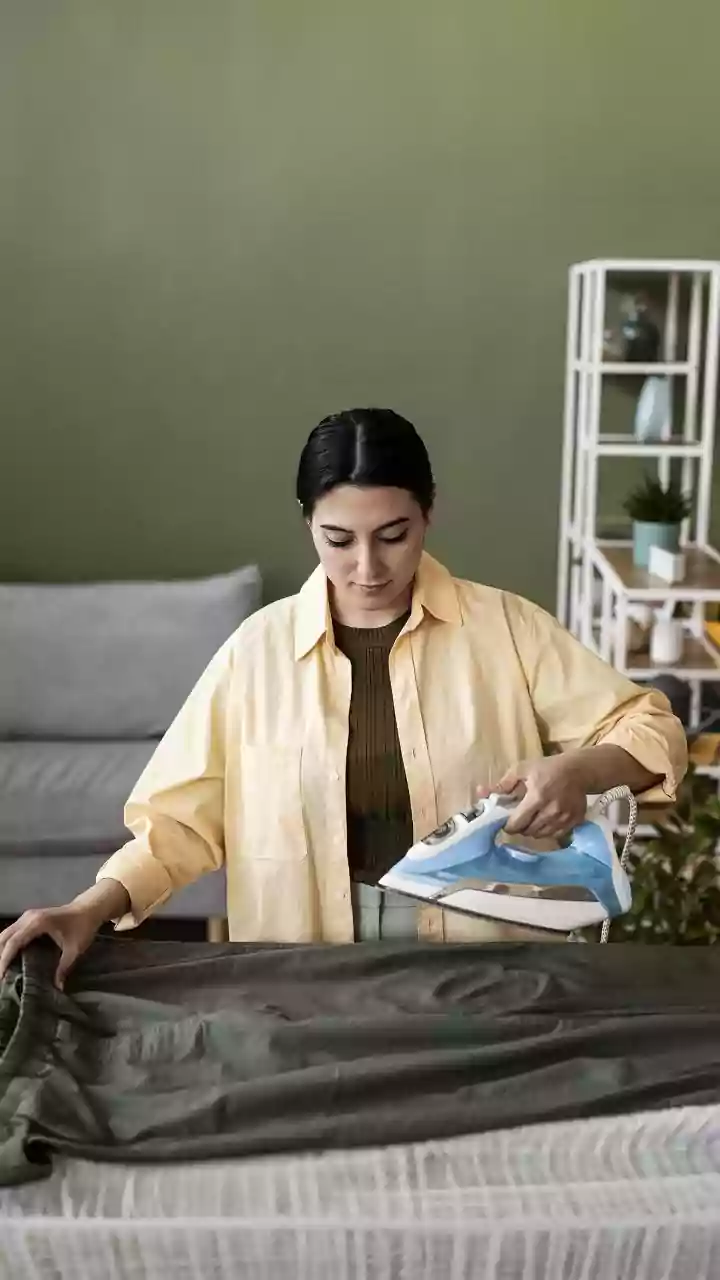
Household chores are the perfect arena for VILPA because they are already part of our routine. By simply picking up the pace and exaggerating your movements, you can turn mundane tasks into a powerful workout. Instead of just going through the motions, focus on making each action deliberate and energetic. Try turning on some upbeat music to get you motivated and start 'exer-cleaning'.
Here are a few ways to get started:
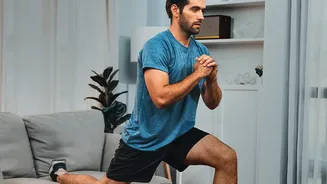
- Vacuum with Vigor: Don't just push the vacuum. Lunge forward with each pass, keeping your core tight. Move briskly around the room and try to complete the task without stopping to get your heart rate up.
- Supercharge Your Scrubbing: Whether you’re cleaning countertops, shower doors, or the floor, apply more pressure and use large, circular motions to engage your arm and shoulder muscles.
- Make Groceries a Workout: Instead of multiple easy trips from the car, carry as much as you safely can in one go. Choose the stairs over the elevator and focus on moving quickly.
- Gardening Power Hour: When you're digging, weeding, or raking, do it with purpose. Increase your speed and engage your entire body, turning at the hips instead of just using your arms.
How Much Is Enough?
The beauty of this approach is its accessibility. You don't need to block off an hour of your day. The goal is to accumulate several short bursts of activity. Studies show significant benefits from as little as three to four minutes of VILPA spread throughout the day. More is even better; one study found that up to 11 bouts per day was associated with a 65% reduction in cardiovascular death risk. The aim is to reach that vigorous intensity level for one to two minutes at a time. This approach helps overcome the all-or-nothing mindset that can prevent people from exercising at all. It confirms that all movement counts, and even the smallest efforts, when done with intensity, add up to significant health gains.
Start Safely and Listen to Your Body
While turning up the intensity on chores is a fantastic way to boost your fitness, it's important to be mindful of your body's limits. If you are new to vigorous activity, start slowly. You can gradually increase the speed and effort as you get stronger. Pay attention to proper form to avoid injury, especially when lifting heavier objects or performing movements like lunges and squats. The idea is to challenge yourself, not to push to the point of pain. This method should be seen as a supplement to an active lifestyle, not necessarily a complete replacement for structured exercise if that is something you enjoy. Ultimately, it’s about finding convenient and enjoyable ways to weave more health-boosting movement into the life you already live.