






Understanding Your Basic Rights
In India, passenger rights are not just a matter of airline goodwill; they are mandated by the Directorate General of Civil Aviation (DGCA). The key regulation, known as the Passenger Charter, outlines the specific obligations airlines have towards flyers
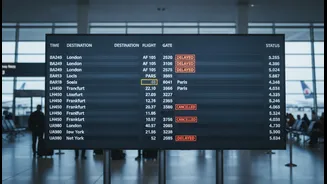
in case of disruptions. These rules apply to all domestic flights and flights to and from India, regardless of the airline. The core idea is to ensure you are treated fairly, kept informed, and compensated appropriately when things don't go as planned. This framework covers three main scenarios: flight delays, cancellations, and denied boarding. Knowing these rules is your first and most powerful tool.
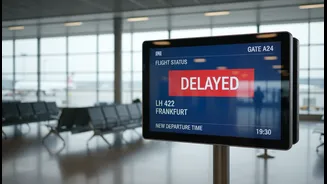
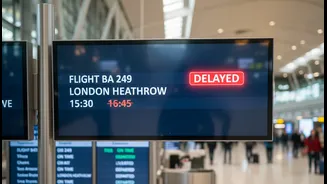
When Your Flight is Delayed
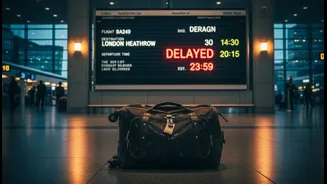
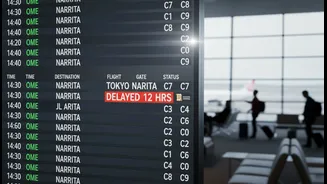
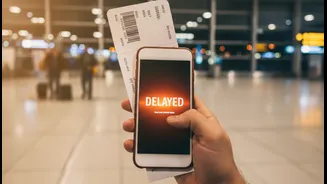
The clock starts ticking the moment your flight is officially delayed. While monetary compensation for delays isn't standard in India, airlines have a clear 'duty of care'. For delays of 2 hours or more, airlines must provide you with free meals and refreshments. If a delay stretches overnight, particularly for flights scheduled between 8 p.m. and 3 a.m., you are entitled to hotel accommodation and transport to and from the airport. If a delay becomes so significant that you no longer wish to travel, you can request a full refund of your ticket. It's crucial to note that these obligations stand even if the delay is caused by factors beyond the airline's control, like bad weather, although cash compensation rules do not apply in such 'force majeure' events.
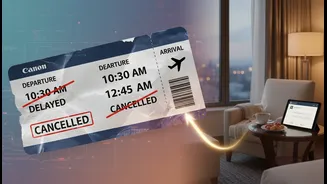
Rights During a Flight Cancellation
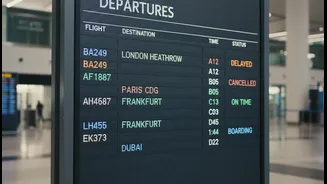
A cancelled flight can be more disruptive than a delay, and your entitlements are stronger. If your flight is cancelled without at least two weeks' notice, the airline must offer you a choice: a full refund or an alternative flight. If you are informed of the cancellation less than 24 hours before departure, or if you are already at the airport when you find out, you may also be entitled to financial compensation ranging from ₹5,000 to ₹10,000, in addition to a refund or rebooking. The exact amount depends on the flight's block time. During your wait at the airport, the airline is still required to provide meals and refreshments.
The Drama of Denied Boarding
Airlines sometimes sell more tickets than there are seats on a plane, a practice known as overbooking. If you have a confirmed ticket and are denied boarding against your will (involuntarily), you are eligible for significant compensation under DGCA rules. Before bumping anyone, airlines must first ask for volunteers willing to take a later flight in exchange for benefits. If there are no volunteers and you are bumped, the airline must arrange an alternative flight. If the new flight is scheduled within 24 hours of your original departure, you can get compensation up to ₹10,000. If the delay is longer than 24 hours, or if you choose not to fly, the compensation can be up to ₹20,000 plus a full ticket refund.
Practical Steps at the Airport
Knowing your rights is half the battle; exercising them is the other. First, stay calm and approach the airline staff politely but firmly. Ask for the reason for the disruption in writing. Keep all your documents, including your boarding pass and any receipts for expenses like food or transport, as you may need them for a claim. If the airline fails to provide the mandated assistance, you can file a formal complaint. The first step is to approach the airline's grievance cell. If that doesn't work, you can escalate the issue through the government's AirSewa portal or app, a platform designed specifically for passenger complaints.