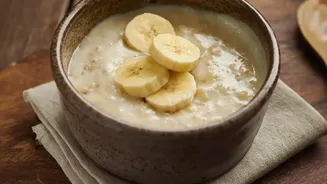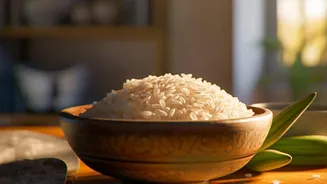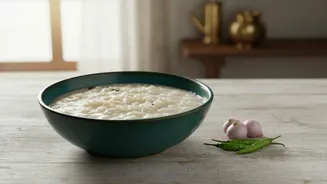





So, What Exactly Is Pazhanthanji?
At its core, Pazhanthanji—also known as Pazhaya Soru or Panta Bhat in different regions—is simplicity itself. It’s made by soaking leftover cooked rice in water and letting it ferment overnight in a clay pot. The next morning, the slightly sour, tangy
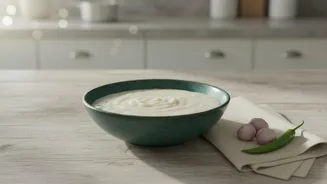
rice and its liquid are mashed together and typically seasoned with salt. It is often mixed with buttermilk or curd and served with simple accompaniments like raw onion, green chilies, or pickles. What was once a practical way to preserve leftover rice and create a nourishing meal has now captured the attention of the modern wellness community for its powerful health benefits.
From Farmer's Breakfast to Fitness Trend
For generations, Pazhanthanji was the staple breakfast for farmers and laborers across South India, particularly in states like Kerala and Tamil Nadu. It was valued for providing sustained energy and a cooling effect, perfect for a long day of manual labor in a hot climate. It was considered a poor man's food, a rustic and economical meal born from necessity. Today, that narrative is being flipped. In a fascinating cultural shift, this once-humble porridge is being embraced by urban fitness enthusiasts and health-conscious foodies, celebrated not for its frugality but for its rich probiotic content and natural, whole-food properties.
The Gut Health Connection
The magic of Pazhanthanji lies in the ancient, natural process of fermentation. As the rice soaks overnight, it becomes a breeding ground for beneficial microbes, primarily lactic acid bacteria like Lactobacillus. These are the same types of probiotics found in yogurt, kefir, and kimchi, which are celebrated for their ability to support a healthy gut microbiome. A balanced gut is linked to improved digestion, a stronger immune system, and even better mental health. The fermentation process essentially pre-digests the carbohydrates in the rice, making it easier on the digestive system and helping to restore the natural flora in your intestines.
A Nutrient-Dense Powerhouse
Beyond its probiotic benefits, fermentation unlocks a surprising amount of nutrition. Research and nutritional analysis have shown that the process dramatically increases the bioavailability of several key micronutrients. For example, the lactic acid bacteria help break down phytic acid, an anti-nutrient in rice that can block the absorption of minerals. As a result, the body can more easily access minerals like iron, potassium, and calcium from the fermented rice. Some sources claim that the iron content can increase significantly after fermentation. Additionally, the porridge is a good source of B vitamins, particularly B6 and B12, which are crucial for energy production.
How to Make Pazhanthanji at Home
Curious to try it? Making a basic version is incredibly simple. Start with leftover cooked rice, preferably a short-grain variety like Sona Masuri. In the evening, place the cooled rice in a clay or earthenware pot and add enough water to cover it completely. Cover the pot and let it sit at room temperature overnight for at least 8 hours. The next morning, the water will be slightly cloudy and the rice will have a tangy aroma. Use your hands to gently mash the rice into the water. Stir in salt to taste. For a richer flavor, mix in some plain yogurt or buttermilk and serve with a side of chopped onions or a pickle.