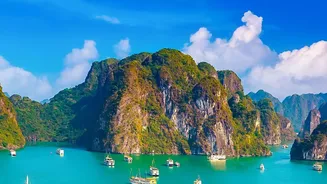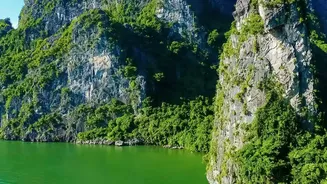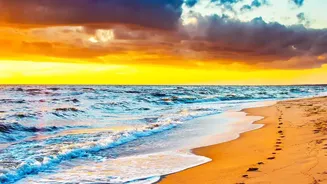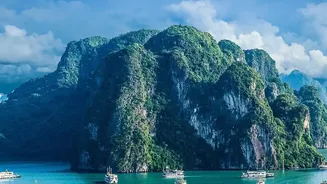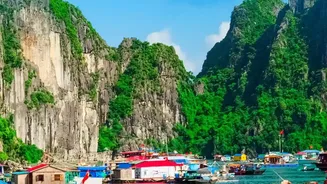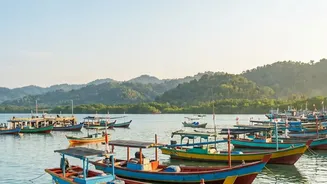


Vietnam's stunning coastline is at a crossroads. For years, the answer to development and erosion was concrete. Now, a growing number of coastal cities are realising that the true treasure lies in preserving what was there all along.
The Hard Truth About Concrete
For decades, the response
to coastal erosion and the push for modernisation in many of Vietnam's booming beach towns was to build walls. Concrete promenades, embankments, and seawalls were seen as a straightforward solution to protect property and provide tourist-friendly walkways. However, this 'grey' approach came with significant drawbacks. While intended to protect, these rigid structures often accelerate erosion elsewhere by deflecting wave energy and scouring away sand from adjacent areas. They create a sterile barrier between the land and sea, destroying vital intertidal habitats for marine life and replacing the natural charm of a sandy shore with a harsh, glaring surface. In some cases, these expensive engineering projects have proven fragile, with newly built seawalls collapsing under the force of the very waves they were meant to block, requiring further costly repairs.
A Greener Wave of Change
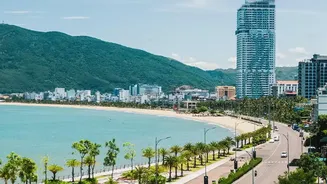
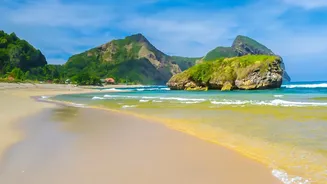
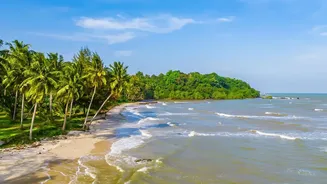
A shift in thinking is rippling across Vietnam, backed by a national strategy promoting sustainable coastal development. Instead of fighting nature, cities are learning to work with it. The city of Quy Nhon is a prime example of getting it right. It has long been praised by urban planners for maintaining a wide public park and green space between the main road and the beach, ensuring the coastline remains accessible, beautiful, and buffered. This approach has made it a sought-after destination for travellers seeking an alternative to more over-developed coastal hubs. Elsewhere, even beaches once ravaged by erosion are being brought back to life. Da Nang's Cua Dai Beach, which had lost huge sections of its sandy shore, has been dramatically revived through a major investment project. By using solutions like offshore breakwaters to calm waves, the beach has seen its golden sands return, along with rows of coconut palms and, most importantly, tourists.
Why Nature Works Better
Opting for natural or 'living' shorelines is more than just an aesthetic choice; it’s a more resilient and ecologically sound strategy. Unlike a concrete wall that reflects destructive wave energy, natural coastlines with dunes, mangroves, and gentle slopes absorb and dissipate it. This drastically reduces erosion and provides a superior defence against the storm surges that frequently threaten Vietnam's coastline. These green coastlines are vibrant ecosystems. They provide critical nursery habitats for fish and crabs, filter runoff from land, and support biodiversity in ways a concrete wall simply cannot. Furthermore, in a tropical climate, the value of shade is immense. A park filled with palm and casuarina trees offers cool refuge from the sun, creating a comfortable public space for both locals and visitors, a stark contrast to the baked, uninviting surface of a concrete promenade.
The New Currency of Modern Tourism
This embrace of nature aligns perfectly with the demands of the modern traveller. Today's tourists, particularly younger generations, are increasingly drawn to authentic and sustainable destinations. They are choosing the open, public-access beach of Quy Nhon over privatised shores. They want to experience a place's true character, not a generic concrete strip that could be anywhere in the world. In Da Nang, the focus is shifting from simply having a nice view to creating a vibrant 'outdoor living room'. The city is expanding its beachfront parks and public spaces to host community activities, wellness exercises, and cultural events, making the coast a lively hub from sunrise to sunset. This strategy acknowledges that the future competitiveness of a beach destination relies not just on its natural beauty, but on the quality and authenticity of the experience it offers.