




Breaking Down the Metro Barrier
For decades, creative professionals faced a geographic dilemma. The most lucrative projects, biggest clients, and networking opportunities were concentrated in a handful of major metropolitan hubs. For a talented designer in a city like Nagpur, Coimbatore,
or Jaipur, building a high-growth career often meant relocating, leaving behind support systems and facing a higher cost of living. The alternative was to rely on a small pool of local clients, limiting both their creative scope and earning potential. This created a system where location, not just talent, was a primary determinant of success, leaving a vast reservoir of creative potential across the country underutilised. The professional world was location-driven, not capability-driven.
AI as the Great Equaliser
Artificial intelligence has become the ultimate workflow accelerator, and for designers, it’s a game-changer. AI tools are not replacing creativity; they are augmenting it. Repetitive and time-consuming tasks that once bogged down designers are now being automated. An AI tool can generate dozens of initial concepts or mood boards in minutes, a process that used to take hours. Platforms like Adobe Firefly, Midjourney, and Canva's AI suite can produce high-quality images, suggest layouts, and even draft brand identity kits from simple text prompts. This allows a solo freelancer in a small town to drastically cut down production time, enabling them to compete with larger, city-based agencies on speed and efficiency. Repetitive executional tasks are diminishing, making way for a more strategic design role.
Remote Work Unlocks a Global Marketplace
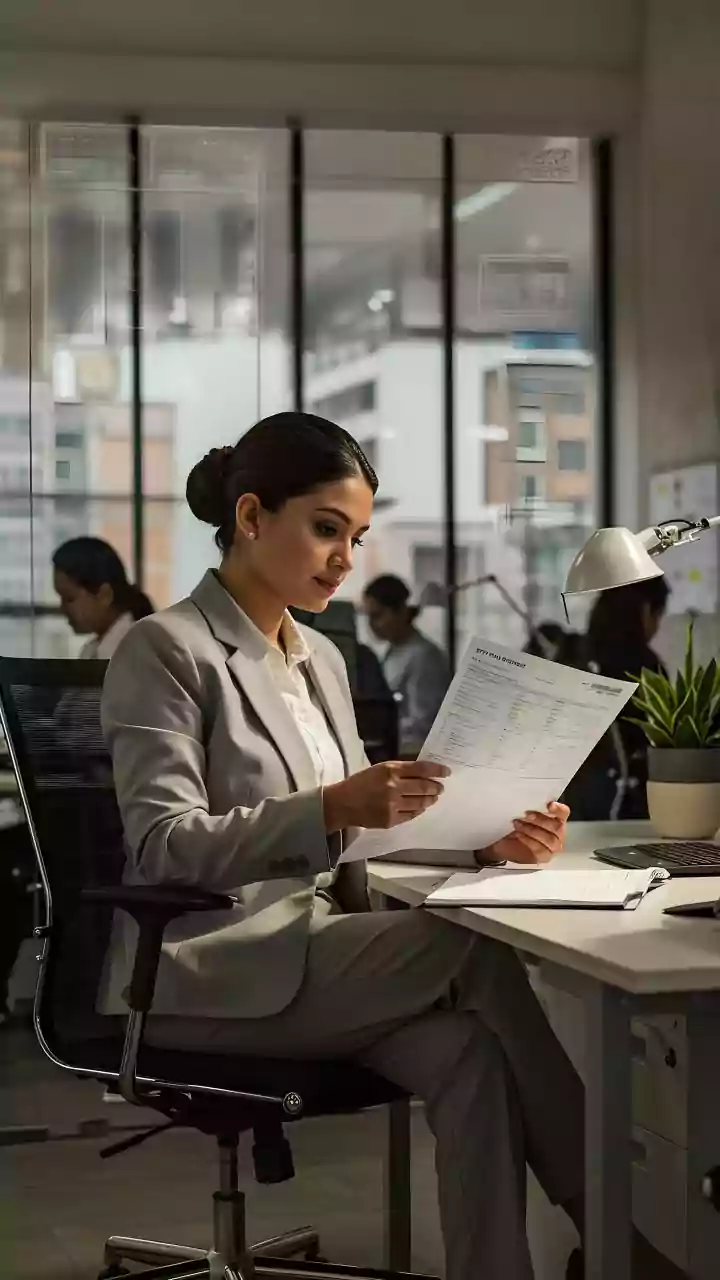
As companies worldwide grew comfortable with remote teams, the door opened for Indian talent to connect with global markets. The efficiency gains from AI workflows make this possible on a whole new scale. A designer who can now complete a project in one day instead of three can take on more clients, regardless of their time zone. This shift turns a disadvantage—physical distance—into an irrelevance. With faster turnarounds and competitive pricing, a creator in a Tier 2 city can successfully bid for projects in New York, London, or Singapore through freelance platforms or direct outreach. This isn't just about accessing jobs; it's about accessing high-growth, high-paying roles that were previously concentrated in metros.
From Production to Creative Direction
The most significant change is in the nature of the work itself. As AI handles more of the manual 'production' tasks, the value of the human designer shifts upwards. Clients still need a creative partner who can understand their brand, interpret a brief, and provide strategic direction. The most successful remote designers are not just operators of AI tools; they are creative directors. They use AI for rapid ideation and execution but apply their human expertise in taste, strategy, and client communication to deliver the final, polished product. This new role, often called an 'AI design strategist' or 'creative prompter', focuses on problem-framing and curating solutions, skills that are becoming more valuable than ever.
The Road Ahead: New Skills and Challenges
This new landscape is not without its challenges. The democratisation of design tools could lead to the commodification of simpler creative tasks. To stay competitive, creators must continuously upskill, not just in using AI tools but in the strategic thinking that machines cannot replicate. There is also the growing conversation around the ethics of AI-generated content and the potential for a homogenous design culture if everyone relies on the same prompts and tools. However, the overwhelming sentiment among India's creative professionals is one of optimism. Many see AI as a collaborator that will create more opportunities than it displaces, fostering a future where talent, ambition, and adaptability—not your city pin code—define your career trajectory.