

The Boom of the Micro-Cation
One of the most significant shifts in Indian travel is the move away from the one big yearly trip towards multiple shorter breaks. Known as 'micro-cations' or 'mini-moons', these trips typically last between three to five days and are often planned around
long weekends and festive breaks. Recent reports show a strong preference for this format, with some surveys indicating that seven out of ten young Indian travellers would rather take three short trips than one long one. This trend is driven by busy work schedules and a collective desire for more frequent escapes from urban hustle. Instead of waiting months for a long holiday, travellers are fitting quick getaways into their calendars, making travel a regular feature of their lifestyle rather than a rare event.
Exploring Our Own Backyard
There's a growing appreciation for exploring destinations closer to home. Regional tourism is on the rise as travellers discover the hidden gems in their own states and neighbouring regions. This isn't just about convenience; it reflects a deeper interest in local culture, cuisine, and heritage. Data shows a significant increase in searches for non-metro destinations, with a surge of over 40% as people look for nature and a slower pace of life. This trend boosts local economies, empowers small businesses like homestays and artisans, and fosters a sense of pride in regional identity. From the misty coffee estates of Coorg to the rain-washed palaces of Udaipur, Indians are finding that world-class experiences are often just a short drive or train ride away.
The Workation Revolution
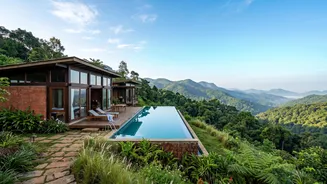
The rise of remote and hybrid work has permanently blurred the lines between work and travel. The 'workation' or 'bleisure' (business + leisure) trip is no longer a niche concept but a mainstream trend. Professionals are swapping their city apartments for stays in the hills, on beaches, and in quieter towns, blending productivity with a change of scenery. Improved digital infrastructure across the country has made this possible, with reliable internet now available in many formerly remote locations. Surveys indicate that a significant percentage of travellers—as high as 33% in one study—now prefer working from a natural setting. This shift is not just about individual flexibility; it's revolutionizing local economies in destinations that cater to these new digital nomads.
Wellness and Conscious Travel
Modern travel is increasingly being driven by a search for well-being. Wellness tourism, which includes everything from yoga and meditation retreats to digital detoxes, is one of the fastest-growing segments of the market. India, with its rich history of Ayurveda and spiritual practices, is uniquely positioned to cater to this demand. Travellers are actively seeking experiences that offer mental and physical rejuvenation. Alongside this is a rising tide of conscious travel. More tourists are looking for sustainable and eco-friendly options that respect the environment and support local communities. This means choosing eco-lodges, engaging respectfully with local customs, and seeking authentic experiences over crowded, mainstream attractions. It’s a move towards travel that not only feels good but also does good.