




Tirthan Valley, Himachal Pradesh: The Eco-Tourism Haven
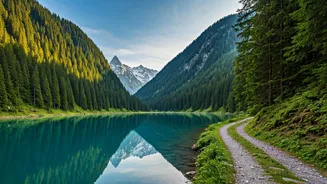
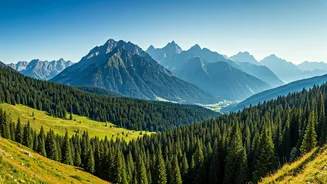
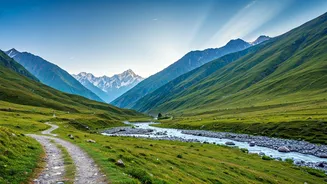
Forget the crowded streets of mainstream hill stations. Tirthan Valley, a gateway to the Great Himalayan National Park, offers a quieter, more immersive experience. [9] Nestled in the Kullu district, this valley is a paradise for those who seek peace
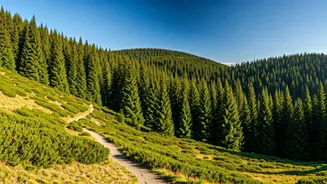
and a connection with nature. [9] The Tirthan River, teeming with trout, makes it a prime spot for angling (with a permit), while the surrounding forests offer countless trails for trekking and bird-watching. [9] Accommodations here are all about sustainability, with charming homestays and eco-lodges that allow you to experience Himachali hospitality firsthand. [7, 13] The best way to reach it is by taking an overnight bus to Aut and then a local taxi, a journey of about 11-12 hours from Delhi. [7] The ideal times to visit are from March to June and again from September to November, when the weather is pleasant and the landscape is at its most vibrant. [18]
Chopta, Uttarakhand: The 'Mini Switzerland'
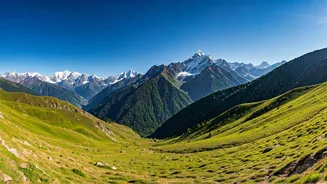
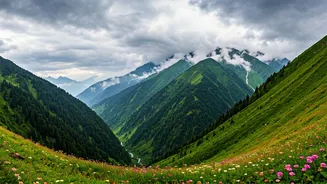
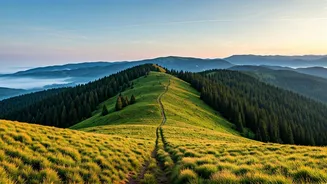
Often called the 'Mini Switzerland of India', Chopta is a small region of lush meadows and evergreen forests in Uttarakhand. [15, 38] At an elevation of about 2,680 meters, it serves as the base for the trek to the ancient Tungnath temple, the highest Shiva shrine in the world, and further on to Chandrashila Peak. [10, 22] The trek is a rewarding one, offering breathtaking 360-degree views of Himalayan peaks including Trishul, Nanda Devi, and Chaukhamba. [10, 15] Chopta is an all-year destination, presenting a pleasant summer, a rain-freshened monsoon, and a snow-covered wonderland in winter. [15] It's also a designated important bird-watching site, making it a haven for ornithologists and nature lovers. [15] Reaching Chopta involves a drive to Ukhimath, from where it is well-connected by road. [20]
Munsiyari, Uttarakhand: A Glimpse of the Giants
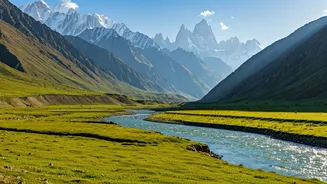
For those who crave dramatic mountain vistas, Munsiyari is an unparalleled destination. Tucked away in the Pithoragarh district, this small town offers staggering, up-close views of the five majestic peaks of the Panchachuli range. [8, 12] Known as the 'Gateway to the Johar Valley', it's a base for serious trekkers heading to glaciers like Milam and Ralam. [14] Even for the less adventurous, the town itself is a reward, with its pristine beauty earning it the nickname 'Little Kashmir'. [8, 19] The journey from Delhi is long, around 16 hours, and best broken up with an overnight stop. [12, 23] However, the sight of the sunrise turning the Panchachuli peaks golden is worth every bit of the effort. The best months for clear views are from March to June and September to November. [12]
Fagu, Himachal Pradesh: The Misty Hamlet
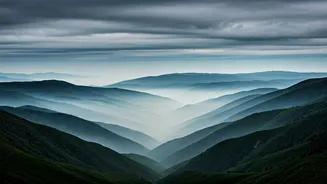
Just a short drive from the bustling crowds of Shimla lies Fagu, a quiet hamlet that lives up to its name, which is believed to be derived from the word 'fog'. [17, 35] Often shrouded in mist, this destination offers a dreamy, tranquil escape. Situated on the Hindustan-Tibet road, Fagu is surrounded by apple orchards and dense cedar and pine forests. [17, 35] It’s an ideal place for leisurely walks, hiking, and experiencing the quiet rhythms of village life. [16] You can visit the Banthia Devta Temple for a touch of local culture or simply enjoy the panoramic views of the Himalayas from one of its many viewpoints. [16, 33] Its proximity to Shimla (about 45 minutes) makes it an easily accessible yet peaceful retreat, offering a different, more serene side of Himachal. [35]