


The Desi Superfood's Modern Makeover
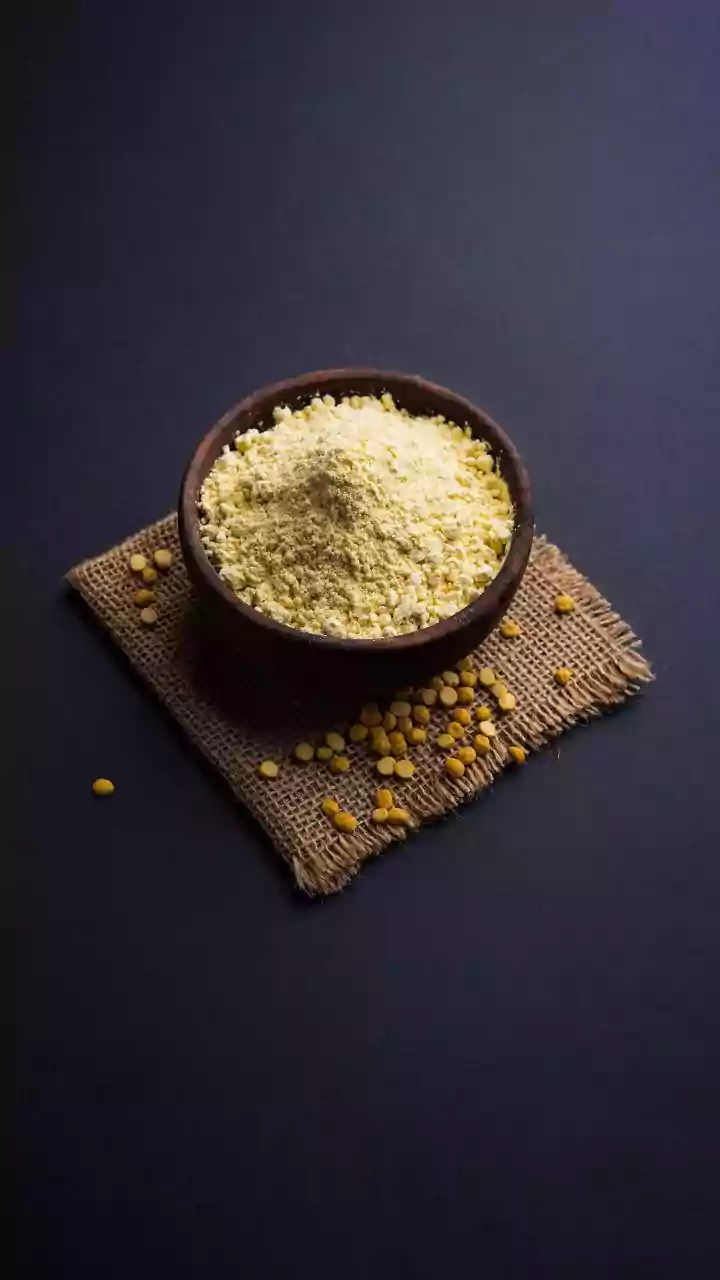
Sattu is no new discovery. For generations, this flour made from roasted Bengal gram (chana) has been a staple in states like Bihar, Jharkhand, and Uttar Pradesh, traditionally consumed as a cooling drink or in simple flatbreads. Often called the 'poor
man's protein', it offered affordable, dense nutrition. Today, this very ingredient is being embraced by a new generation, not just for its legacy, but for its impressive nutritional stats that align perfectly with modern wellness goals. Young Indians are increasingly swapping processed snacks for nutrient-rich, traditional options that fit into their fast-paced lifestyles, and sattu is leading the charge.
A Post-Workout Protein Powerhouse
The primary reason for sattu's rising fame in fitness circles is its high protein content. A 100-gram serving of sattu contains approximately 20-25 grams of plant-based protein, making it an excellent alternative to whey protein for muscle repair and growth. After a strenuous workout, muscles need protein to heal micro-tears and become stronger. Sattu provides the essential amino acids needed for this recovery process, helping to reduce soreness and improve stamina. Unlike many protein supplements, sattu also offers a wealth of complex carbohydrates. These slow-release carbs are crucial for replenishing the body's glycogen stores, which get depleted during exercise, providing sustained energy without the sugar crash associated with many post-workout drinks.
Why the Smoothie Bowl Format Works
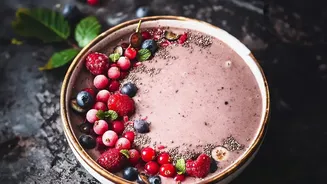
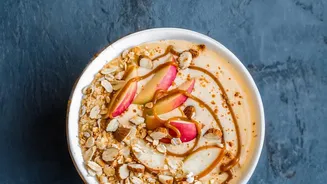
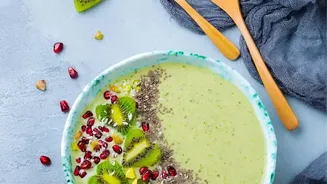
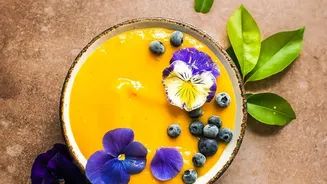
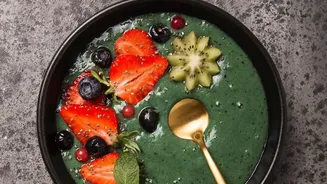
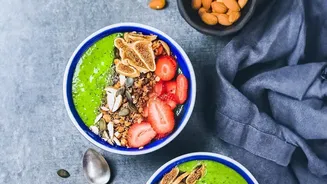
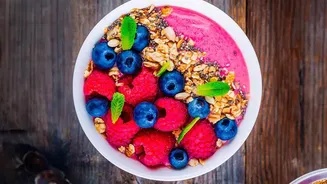
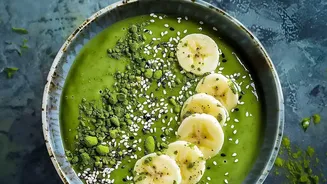
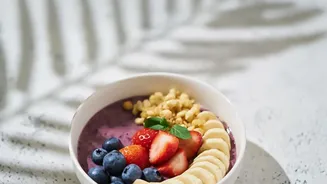
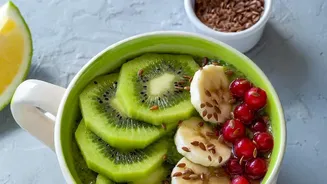
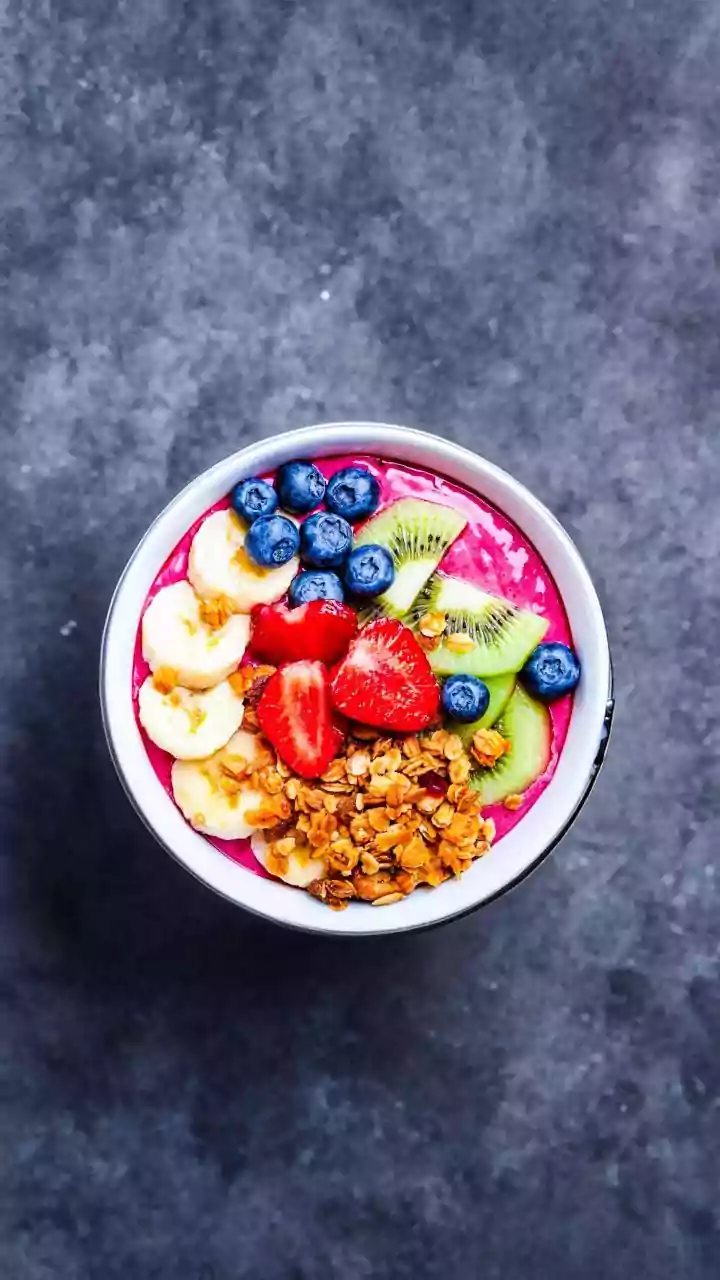
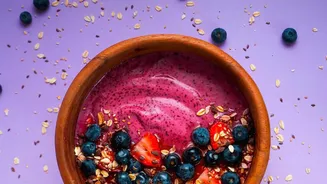
While sattu has traditionally been consumed as a simple sharbat, the smoothie bowl format gives it a modern, appealing twist. A thick, creamy smoothie bowl feels more like a substantial meal than a drink, increasing satiety. This format is also incredibly versatile and Instagram-friendly. Young fitness lovers enjoy customising their bowls with a variety of toppings like fresh fruits, nuts, and seeds (such as chia and pumpkin seeds), which not only adds texture and flavour but also boosts the overall nutritional value with added vitamins, healthy fats, and antioxidants. This transforms a simple post-workout snack into a complete, balanced meal that supports overall health.
More Than Just Muscle Recovery
The benefits of sattu extend far beyond protein. It is packed with dietary fibre, with up to 15 grams per 100g serving, which aids digestion, promotes gut health, and keeps you feeling full for longer, helping to curb unhealthy snacking. Sattu is also a rich source of essential minerals like iron, magnesium, and calcium. Iron helps combat fatigue, while magnesium supports muscle function and heart health. Furthermore, sattu has natural cooling properties, making it an excellent choice for rehydration and regulating body temperature, especially after a workout in India's hot climate.
Crafting Your Own Sattu Smoothie Bowl
Making a sattu smoothie bowl is simple and quick. The key is to create a thick, blendable base that can hold toppings. Base Recipe: Sattu Flour: 3-4 tablespoons Liquid: 1/2 to 1 cup of curd, almond milk, or regular milk. Use less liquid for a thicker consistency. Fruit: 1 ripe banana (for creaminess and natural sweetness) or a handful of berries. Natural Sweetener (Optional): 1-2 dates or a teaspoon of jaggery or honey. Instructions: Combine all base ingredients in a blender and blend until smooth and thick. Pour the mixture into a bowl. Topping Ideas: Get creative with your toppings. Add a sprinkle of chia seeds, pumpkin seeds, chopped almonds, or walnuts for healthy fats and a satisfying crunch. Top with fresh fruits like pomegranate seeds, sliced mango, or more banana. A dash of cinnamon or cardamom can also elevate the flavour.