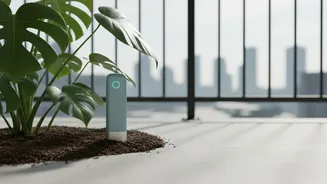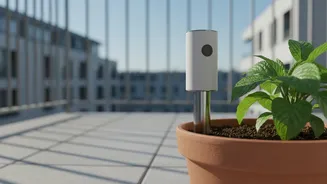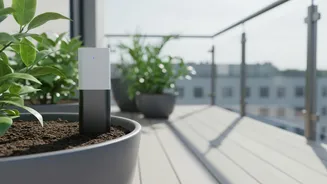






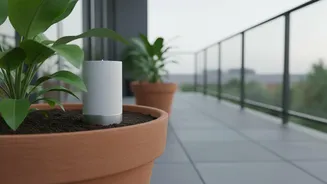

The Balcony Gardener's Dilemma
Balcony gardening is a rewarding way to bring greenery into urban spaces, but it comes with unique challenges. Unlike plants in the ground, which benefit from a vast and stable soil ecosystem, container plants live in a more fragile environment. Pots
and planters, especially on sun-drenched or windy balconies, can dry out quickly. This often leads well-intentioned gardeners into a cycle of guesswork. The classic finger test—sticking a finger into the soil to check for dampness—is notoriously unreliable for potted plants. The surface might feel dry while the root zone, where it really matters, is still saturated. This creates a fine line between hydration and waterlogging, and crossing it is one of the most common reasons container plants fail. Overwatering is often a bigger culprit than underwatering, leading to root rot, fungal diseases, and a slow decline in plant health.
Moving Beyond Traditional Moisture Meters
For years, gardeners have turned to basic moisture meters for help. These tools, typically featuring a metal probe and a simple dial, offer a step up from the finger test. They work by measuring electrical conductivity; since water conducts electricity, a higher reading suggests wetter soil. While useful, these meters have limitations. They only measure one thing: the presence of water. They don’t tell you about the overall health of the soil environment, such as the balance of water and oxygen, which is critical for root function. This is where microbial soil sensors represent a significant leap forward. Instead of just detecting water, these smarter devices monitor the conditions that allow life to thrive, offering a more holistic view of what your plant is experiencing.
How Microbial Sensors Listen to the Soil
So, how does a sensor listen to microbes? It’s all about their activity. Healthy soil is teeming with microscopic life—bacteria, fungi, and other organisms that are essential for nutrient cycling and plant health. These microbes require a balanced environment with adequate moisture and oxygen to live and breathe. Microbial sensors work by tracking the biological and electrical activity of this underground community. When soil has the right amount of moisture, aerobic (oxygen-breathing) microbes are active and healthy. But when the soil becomes waterlogged, the air pockets that microbes and roots depend on disappear. This creates an anaerobic (low-oxygen) environment, which drastically changes or inhibits microbial activity. The sensor detects this shift and alerts you not just that the soil is wet, but that the conditions have become unhealthy for the plant’s root system. It’s the difference between knowing there's water in a room and knowing the room is flooding.
The Benefits of a Healthier Soil Ecosystem
Using a microbial sensor is about more than just preventing overwatering; it’s about cultivating a healthier environment in your pots. By helping you maintain the ideal moisture balance, these sensors directly combat root rot, the silent killer of many container plants. They empower you to water only when necessary, which conserves water and prevents the flushing out of valuable nutrients from the potting mix. More importantly, this approach promotes a thriving soil microbiome. Active, healthy microbes make nutrients more available to your plants and can help ward off pathogens. Essentially, you stop guessing and start responding to the genuine needs of the soil’s ecosystem. This data-driven approach removes the daily anxiety of watering and helps build your intuition as a gardener, grounded in a deeper understanding of soil health.
Is This Technology Right for Your Balcony?
While any gardener can benefit from a more precise understanding of soil moisture, microbial sensors are particularly useful for those who struggle with the specific demands of container gardening. If you’re a new gardener trying to build confidence, have a busy schedule that makes daily checks difficult, or are growing particularly fussy plants like herbs or ferns, this technology can be a game-changer. These sensors often connect wirelessly to an app on your phone, providing real-time data and alerts when conditions become unfavorable. This allows you to develop a watering rhythm that is perfectly tailored to each plant, its pot size, and its unique spot on your balcony. While the technology is more advanced than a simple probe, it is designed to simplify care, not complicate it, turning your phone into a window into the hidden world beneath the soil.