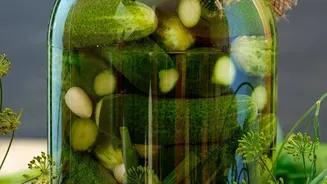





A quiet revolution is happening in the pantries of urban India. The humble pickle, long a staple, is getting a traditional makeover as health-conscious consumers swap mass-produced jars for artisanal versions made with native, cold-pressed oils.
A Return to Authentic Flavors
For years,
the pickle aisle in most city supermarkets has been dominated by a few large brands. While convenient, these pickles are often made with refined vegetable oils and standardized spice mixes that can lack the punch and complexity of their homemade counterparts. Now, a growing movement is seeing urban consumers seek out pickles that taste like they came from a grandmother's kitchen. This trend is driven by a renewed appreciation for traditional foods and a desire for authentic, regional flavors that tell a story. Small-batch producers and home-based entrepreneurs are finding a willing market, offering everything from fiery Andhra Avakaya made with sesame oil to pungent Bengali mango pickles cured in mustard oil.
The All-Important Oil Advantage
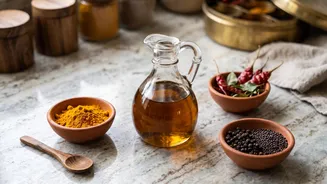
The single biggest differentiator in this new wave of pickles is the choice of oil. Instead of neutral-tasting, highly processed refined oils, traditional recipes call for robust, unrefined native oils. Cold-pressed (or 'kachi ghani') mustard, sesame ('gingelly' or 'til'), and groundnut oils are not just preservatives; they are key flavor ingredients. Cold-pressing, a method that extracts oil without heat or chemicals, ensures that the oil retains its natural nutrients, antioxidants, and distinctive pungent aroma. This is in stark contrast to refined oils, which are often bleached and deodorized, stripping them of their character and some of their beneficial compounds in the process.
More Than Just a Health Halo
The move toward native oils is strongly linked to health and wellness circles. Cold-pressed sesame and mustard oils are rich in monounsaturated and polyunsaturated fats, including omega-3 and omega-6 fatty acids, which are considered beneficial for heart health. They also retain natural antioxidants, like sesamol in sesame oil, which have anti-inflammatory properties. Furthermore, traditional pickles made via natural fermentation are a source of probiotics, which are essential for good gut health. These beneficial bacteria can aid digestion and boost immunity. The oil in the pickle also plays a crucial role in making the fat-soluble vitamins from the fruits and spices more readily available for the body to absorb.
Nostalgia, Community, and Conscious Consumption
Beyond the tangible health benefits, this trend is deeply rooted in emotion and ethics. For many, these pickles offer a taste of childhood and a connection to family recipes passed down through generations. Buying from artisanal brands often means supporting local economies and preserving culinary heritage that was at risk of being lost. It's a form of conscious consumption where the story behind the product matters as much as the product itself. Consumers are increasingly interested in where their food comes from and how it's made, and these traditional pickles offer a transparent and satisfying answer.
How to Spot an Authentic Jar
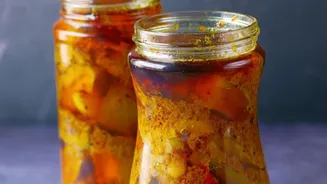
As the market grows, it's important to know what you're looking for. A truly traditional, cold-pressed oil pickle will often have a deeper, more vibrant color and a stronger, more distinct aroma compared to its refined-oil counterpart. The oil itself might appear slightly cloudy or have natural sediment, which is a sign of minimal processing. The ingredients list should be simple and recognizable, free from artificial preservatives, colors, and flavors. While they can be higher in salt, traditional pickles are meant to be eaten in small quantities as a condiment to enhance a meal, not as a main dish.