
The Shift from Restriction to Mindfulness
For years, the advice for navigating festival season was often a list of 'don'ts': don't eat sweets, avoid fried foods, and steer clear of anything rich. However, this all-or-nothing approach can lead to feelings of deprivation and an unhealthy relationship
with food. Experts now suggest that completely forbidding festive foods is counterproductive. Instead, the focus is shifting to mindful indulgence, where the goal is not to avoid the foods you love but to enjoy them consciously and in reasonable amounts. This change acknowledges that food is a central part of celebration and tradition; the key is to find a balance that honours both your health and your cultural heritage.
Portion Control Is Your Best Friend
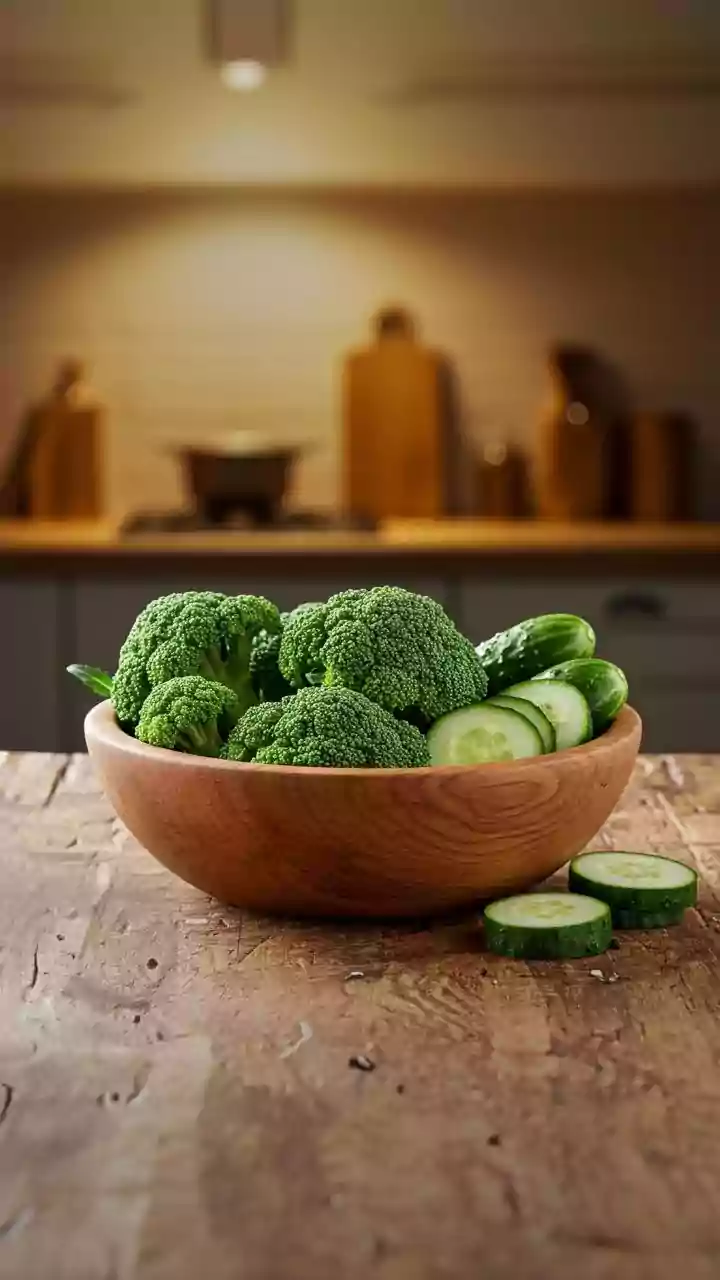
The single most powerful tool in your festive toolkit is portion control. Enjoying a small serving of your favourite mithai or a single samosa is perfectly fine. Dietitians suggest using smaller plates to visually guide your portions and to avoid the temptation of overfilling a large one. Another effective strategy is to eat slowly and savour every bite. This gives your brain time to register that you are full, preventing you from reaching for second or third helpings unnecessarily. When faced with a buffet, try filling half your plate with salads or vegetables first; their fibre content will help you feel fuller, making you less likely to overindulge in heavier dishes.
Smarter Swaps in the Kitchen
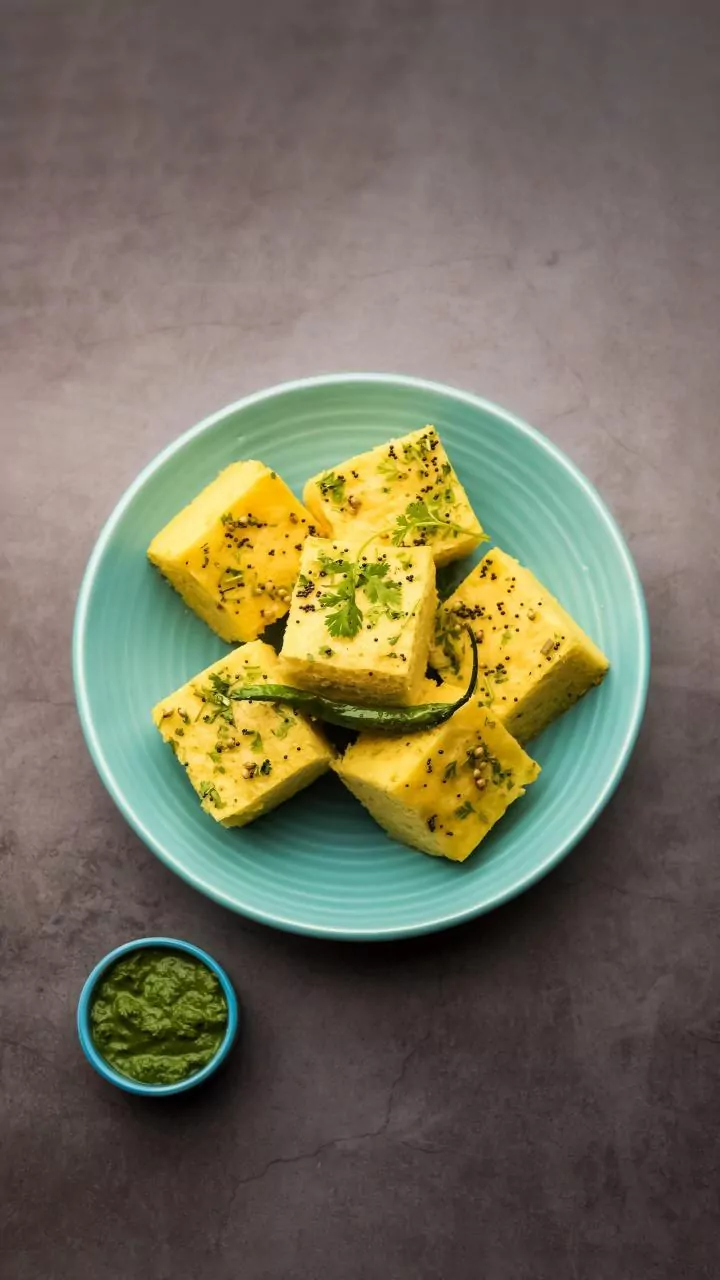
You can significantly cut down on calories and unhealthy fats without sacrificing taste. One of the most common recommendations is to bake or air-fry snacks like samosas, chaklis, and pakoras instead of deep-frying them. A baked samosa can have drastically fewer calories than its fried counterpart. When making sweets at home, you have control over the ingredients. Try reducing sugar and using natural alternatives like jaggery, dates, or figs for sweetness. Swapping ghee with vegetable oils like sunflower or rapeseed oil in some preparations can also lower the saturated fat content.
Plan Your Indulgence Strategically
A little planning can make a huge difference. Many experts advise against skipping meals to “save calories” for a big festive dinner, as arriving at a party overly hungry often leads to overeating. Having a small, protein-rich snack like nuts or a bowl of dal before you go out can curb your appetite and help you make more mindful choices. It's also helpful to balance your meals throughout the day. If you know you're having a heavy, celebratory dinner, opt for a lighter lunch with plenty of vegetables and lean protein. Staying well-hydrated by drinking water throughout the day can also prevent you from mistaking thirst for hunger.
Build a Balanced Festive Plate
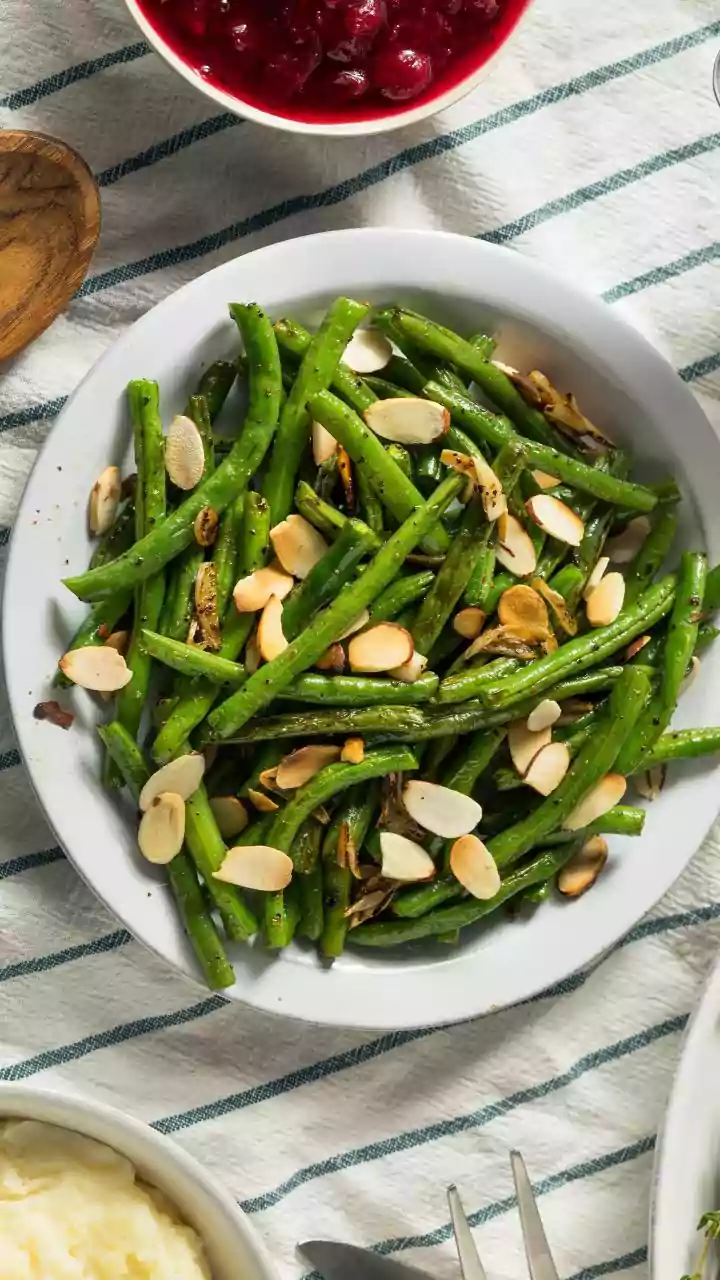
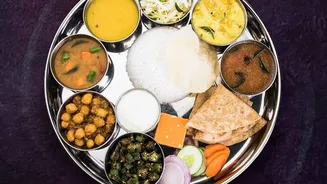
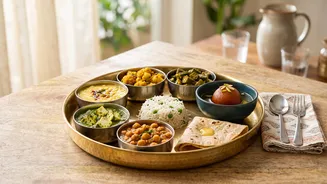
A balanced plate is possible even amidst a festive spread. Nutritionists suggest a simple rule: fill half your plate with vegetables and salad, a quarter with a lean protein source (like dal, paneer, or chickpeas), and the remaining quarter with carbohydrates (like rice or roti). This ensures you get a good mix of fibre, protein, and essential nutrients, which helps stabilise blood sugar and keeps you feeling satisfied for longer. Instead of having several sweets at once, choose the one you truly love and enjoy it mindfully. This approach allows you to partake in all the delicious offerings without feeling sluggish or guilty afterwards.