
What Makes the Harvest Moon Special?
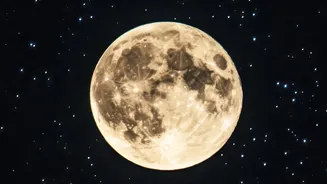
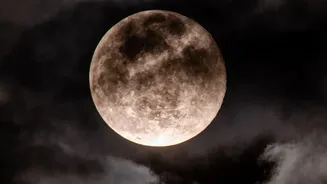
The Harvest Moon is not just any full moon; its name is tied to a specific time of year. It is the full moon that occurs closest to the autumnal equinox, which marks the official start of autumn in the Northern Hemisphere. Historically, this moon held
great significance for agricultural communities. Before electricity, farmers relied on its bright light, which rises around sunset for several consecutive evenings, to extend their workday and bring in the harvest. This extended period of moonlight is what separates the Harvest Moon from other full moons, which typically rise about 50 minutes later each night. The name itself, believed to have European origins, is a direct nod to this vital role it played in the farming calendar, ensuring crops were gathered before the arrival of colder weather.
A Celestial Gathering: The Moon and Its Planets
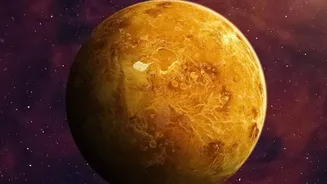
The 2026 Harvest Moon won't be alone in the sky. As the full moon rises, it will be accompanied by the planet Saturn, which will appear as a bright, star-like object shining near the lunar disk. On the night of September 26th, sky-watchers can find the ringed planet situated just below the moon, offering a beautiful pairing for the naked eye and an even more spectacular view through binoculars or a small telescope. While Saturn provides the closest company, another planet will also be putting on a show. Throughout September, the planet Venus will be a dazzlingly bright presence in the western evening sky, earning its title as the “Evening Star.” Though it won't be right next to the full moon, its brilliance makes it an unmissable part of the month's celestial display.
Mark Your Calendar: When to Watch
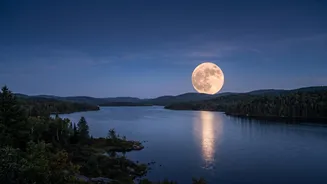
The Harvest Moon will reach its peak fullness on Saturday, September 26, 2026. While the exact moment of peak illumination will occur during the afternoon for those in India, the best time for viewing will be that evening as the moon rises in the east. For the most dramatic sight, plan to watch at moonrise, which happens around the same time as sunset. Don’t worry if you miss the exact date; the moon will appear impressively full on the night before, Friday, September 25, as well. This gives you a two-night window to catch the show. The moon will be located in the constellation Pisces, rising over the eastern horizon to begin its journey across the night sky.
Tips for the Perfect Viewing Experience
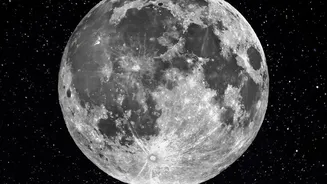
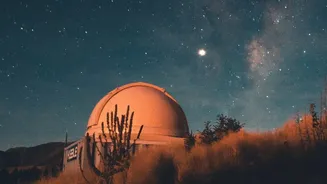
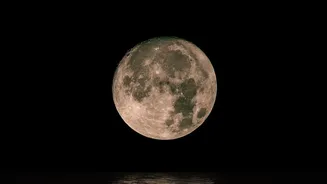
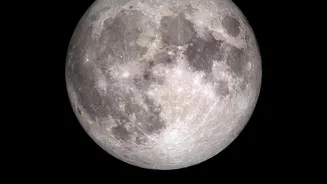
To make the most of the Harvest Moon, a little preparation goes a long way. First, try to get away from bright city lights. Light pollution can wash out the sky and diminish the moon's glow, especially when it is low on the horizon. Find a location with an unobstructed view of the eastern horizon, like a park, an open field, or even the top of a tall building. Give your eyes at least 15-20 minutes to adjust to the darkness; this will help you see more stars and appreciate the full brilliance of the moon. While the moon is stunning to the naked eye, bringing a pair of binoculars can offer a breathtakingly detailed view of its craters and surface features. Finally, be sure to check your local weather forecast beforehand to ensure clear skies for your viewing night.
The Science of the Spectacle
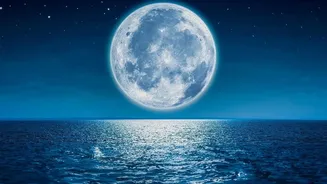
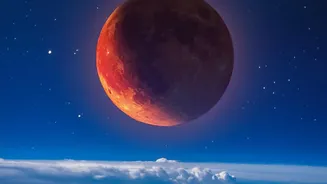
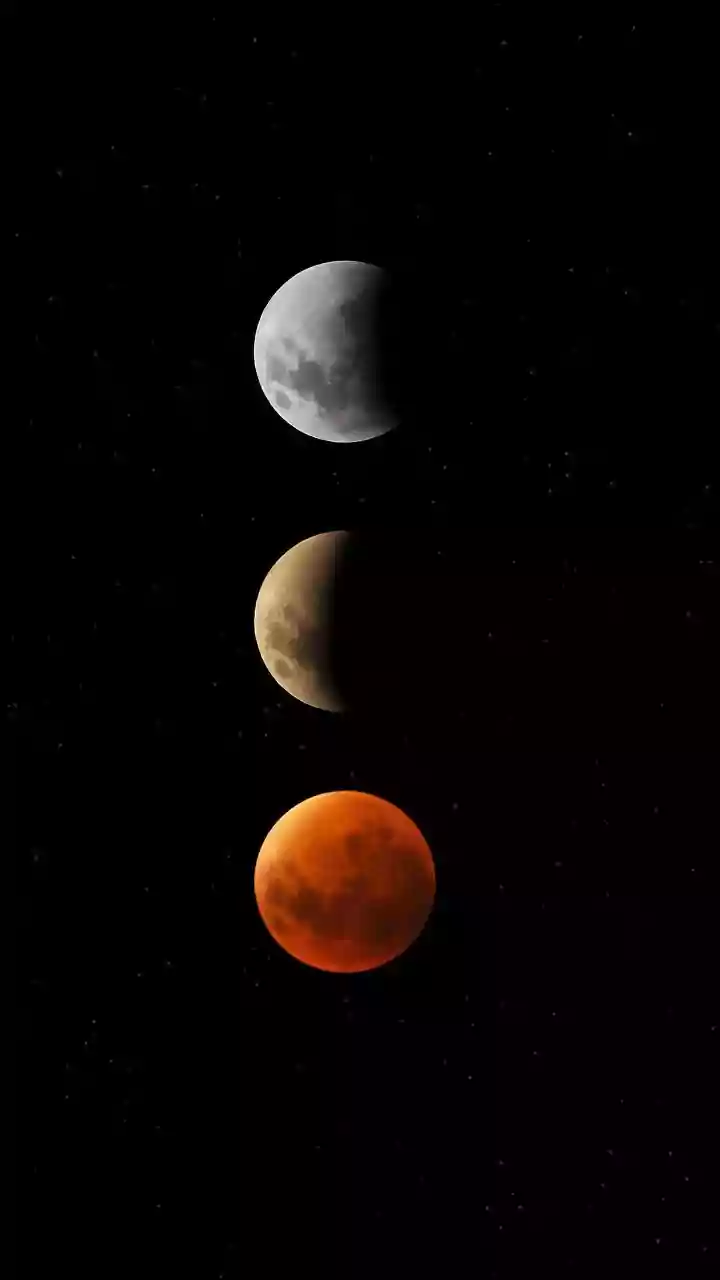
Have you ever noticed that a rising full moon looks enormous and painted in shades of orange or red? This isn't just your imagination; it's a combination of two fascinating effects. The large appearance is known as the "Moon Illusion." Your brain perceives the moon as being bigger when it's near the horizon because you can compare its size to familiar objects like trees and buildings. When it's high in the sky with nothing to compare it to, it appears smaller. The colour comes from a process called Rayleigh scattering. When the moon is low, its light has to travel through more of Earth's atmosphere to reach your eyes. The atmosphere scatters away the shorter, bluer wavelengths of light, allowing the longer, redder and more orange wavelengths to pass through, giving the rising moon its signature warm hue.