



The Blueprint for All Other Poses
Tadasana comes from the Sanskrit words 'Tada' (mountain) and 'Asana' (pose). The name captures the essence of the posture: to stand with the unwavering stability and stillness of a mountain. While it may not be as flashy as other poses, Tadasana is considered
a foundational 'blueprint' pose in many yoga traditions. The principles of alignment and body awareness learned here are carried into virtually every other standing and balancing posture, from Tree Pose to the Warrior series. It serves as a starting point and a place to return to between poses, allowing you to integrate the experience and reset your alignment.
More Than Just Standing: The Benefits
Practicing Tadasana with intention offers a wealth of physical and mental benefits. Physically, it is a full-body exercise that strengthens the thighs, knees, and ankles while firming the core. It is renowned for its ability to improve posture by realigning the spine and strengthening the muscles that support it. This can lead to reduced tension and better breathing by opening up the chest. Mentally, the pose cultivates mindfulness and body awareness. By focusing on the subtle shifts in balance and the sensation of your feet on the ground, you anchor yourself in the present moment, which can help reduce stress and improve mental clarity.
How to Practice Mountain Pose
Finding your true Mountain Pose is a process of building from the ground up. Start by standing with your big toes touching and heels slightly apart. If you need more stability, place your feet hip-width apart. Spread your toes to create a wide, firm base, and distribute your weight evenly across all four corners of each foot. Engage your thigh muscles to gently lift your kneecaps, but avoid locking your knees. Keep your pelvis in a neutral position, as if it were a bowl of water you don't want to spill forward or backward. Lengthen your spine by imagining a thread pulling the crown of your head toward the ceiling. Roll your shoulders down and back, away from your ears, and let your arms hang by your sides with palms facing forward. Keep your chin parallel to the floor and soften your gaze. Hold the pose for 30 seconds to a minute, breathing deeply.
Common Mistakes to Avoid
To get the most out of Tadasana, it’s important to be mindful of common alignment pitfalls. A frequent mistake is to distribute weight unevenly on the feet, such as rolling to the outer edges or leaning too far forward or back. Another is to either over-arch the lower back or 'tuck' the tailbone too much; both actions disrupt the natural curve of the spine. Many people also tend to slouch, letting their shoulders round forward, which closes off the chest. Finally, ensure your legs are engaged but your knees are not locked or hyperextended, which puts unnecessary strain on the joint. The goal is active engagement, not rigid tension.
Variations to Deepen Your Practice
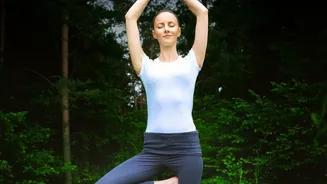
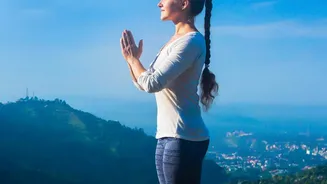
Once you feel stable in the basic pose, you can explore variations. One simple change is to alter your arm position. Reaching your arms overhead for Urdhva Hastasana (Upward Salute) lengthens the entire spine and side body. You can also bring your hands to a prayer position at your heart center (Anjali Mudra) to cultivate a sense of focus and reverence. For a balance challenge, try lifting your heels to practice the pose on your tiptoes. For individuals who find standing for long periods difficult, Tadasana can also be effectively practiced while sitting on the edge of a chair, focusing on foot placement and spinal length.