

The Source of the Signature Hue
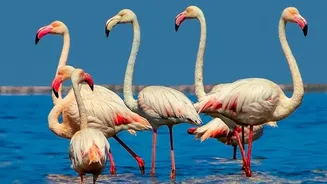
The vibrant pink, orange, and reddish shades of a flamingo's feathers come from pigments called carotenoids. These natural dyes are produced by plants, algae, and some microorganisms. While animals generally cannot create these pigments on their own,
they can acquire them through their diet. Flamingos live in and around shallow wetlands, where they feast on a buffet rich in these compounds. Their main food sources are blue-green and red algae, brine shrimp, insect larvae, and small molluscs. This diet is packed with carotenoids like beta-carotene and canthaxanthin, the same types of pigments that give carrots their orange colour and make ripe tomatoes red.
From Food to Feather
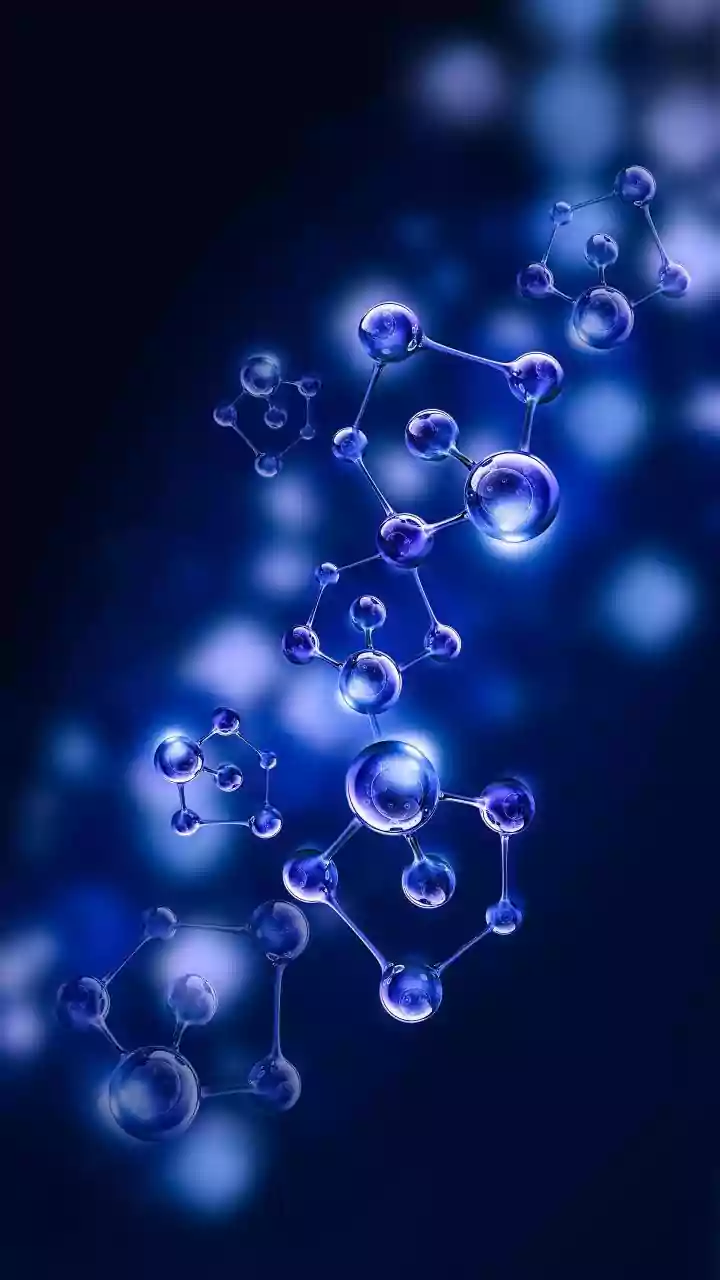
Simply eating colorful food isn't enough to dye a feather. The process is a fascinating biochemical journey. When a flamingo eats carotenoid-rich organisms, enzymes in its digestive system break down the food and extract the pigments. These pigments are then absorbed and transported to the liver. In the liver, the carotenoids are metabolized and broken down into pigment molecules that dissolve in fats. These fat deposits, now carrying the pink and orange pigments, are then distributed throughout the bird's body and deposited in its growing feathers, as well as its legs and beak, gradually transforming them. Because their diet consists almost exclusively of these pigment-packed delicacies, flamingos ingest the very large amounts needed to achieve their bright coloration.
Not Born This Way
Contrary to what many might think, flamingos are not born pink. A newly hatched flamingo chick is covered in soft, downy feathers of a dull grey or white colour. It takes time for a young flamingo to build up enough carotenoids in its system to begin showing its signature pink. As the chicks grow and start consuming the same diet as their parents, the pigments slowly accumulate. It can take two to three years for a juvenile flamingo to transition from its initial grey plumage to the full, vibrant pink of an adult. The intensity of the final colour also depends on the specific diet available in its habitat; some flamingos may be a pale pink, while others are a deep crimson depending on the concentration of pigments in their food source.
A Fading Beauty
Because the colour is entirely diet-dependent, a flamingo’s pinkness is not permanent. If a flamingo stops eating foods rich in carotenoids, its new feathers will grow in much paler, and its vibrant hue will eventually fade with each molt. This is why flamingos in zoos and conservation centers have their diets supplemented with carotenoids like canthaxanthin and beta-carotene to ensure they maintain their famous colour. Without these supplements, captive flamingos would appear pale or even white. The colour is also a sign of health; a more vibrantly coloured flamingo is often a healthier, well-fed bird, which can make it a more desirable mate during breeding season.