






A Shift in the Travel Calendar
For decades, the rhythm of travel for most Indians was predictable: a frantic rush during the May-June summer holidays, followed by another peak during the festive season from Diwali to New Year's. But that calendar is being redrawn. An increasing number
of holidaymakers are now looking at September and October as a prime window for travel. This shift is driven by a desire to avoid the crowds and costs of peak season, a trend known as 'shoulder season' travel. This period, falling between the high and low seasons, offers a sweet spot of pleasant weather, thinner crowds, and better value for money. The rise of this new travel window points to a more informed and flexible Indian traveller, one who prioritises experience over rigid schedules.
The Golden Allure of Europe
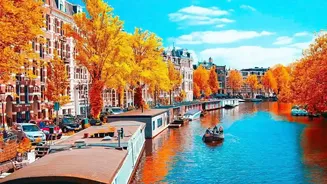
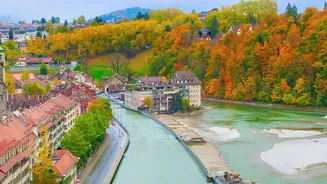
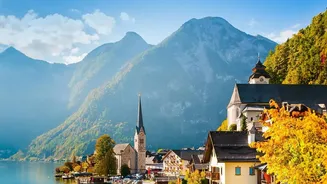
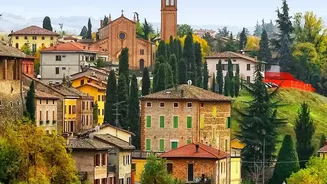
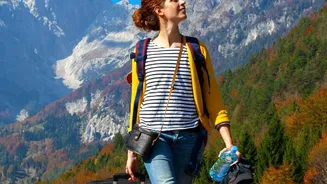
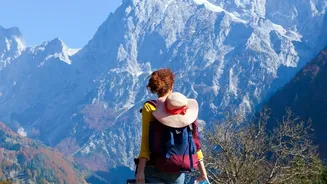
Europe in autumn is a spectacle of colour and calm. As the summer crowds depart, cities like Prague and Vienna become perfect for long, leisurely walks under canopies of fall foliage. The continent's extensive rail network makes it easy to explore, with scenic train journeys through Switzerland offering dramatic seasonal contrasts. For many, September and October represent the best balance of good weather and value. Destinations across the continent offer unique appeal during this time. The Alsace wine region in France hosts the end of its harvest celebrations, while Germany's Bavarian Forest offers pristine hiking trails. In Spain’s Basque Country or the Scottish Highlands, the landscape transforms into a moody, cinematic patchwork of burnt orange and gold, providing a breathtaking backdrop for exploration without the summer rush.
Asia's Autumnal Charm
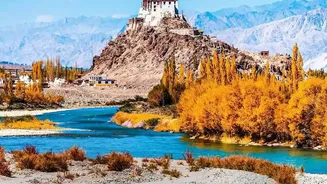
The appeal of autumn travel extends across Asia, where the season brings its own unique advantages. In many parts of Southeast Asia, like Vietnam and Thailand, the monsoon rains begin to fade, leaving behind lush landscapes and pleasant temperatures before the peak tourist season begins in November. Further north, Japan and South Korea put on a spectacular show. In Japan, the hunt for 'koyo' (autumn colours) transforms parks and temples in cities like Kyoto into natural works of art. Similarly, South Korea's Seoraksan National Park and Nami Island become magnets for those seeking stunning foliage. The weather is crisp and dry, ideal for hiking and sightseeing. Even closer to home, Nepal's skies clear up after the monsoon, offering some of the best trekking conditions and unobstructed views of the Himalayas.
Beyond Better Weather and Lower Costs
While avoiding heatwaves and saving money are significant drivers, the move towards autumn travel is about more than just practicalities. It reflects a deeper shift towards experiential and meaningful journeys. Travellers are increasingly seeking authenticity, which is often easier to find when destinations are not overwhelmed by tourists. The autumn calendar in India itself, with festivals like Ganesh Chaturthi, Dussehra, and Durga Puja, provides several long weekends, making it easier to plan short breaks or longer holidays. This flexibility allows for more spontaneous getaways, a trend boosted by visa-friendly policies in many short-haul destinations. Ultimately, the growing popularity of shoulder-season travel signals the rise of a discerning traveller who values immersive experiences and a genuine connection with the places they visit.