


The Quest for the Perfect Dosa
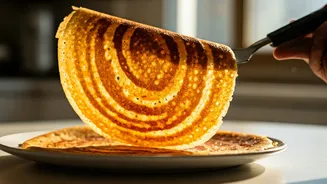
The dosa is more than just a pancake; it’s an experience. It’s the sound of the batter hitting the hot pan, the intricate lace-like pattern that forms, and that satisfying crunch when you break off a piece. In restaurants, dosas arrive at the table impossibly
large, golden brown, and audibly crisp. Yet, recreating this magic at home often leads to frustration. The colour is right, the taste is there, but the texture is a letdown—more of a soft crepe than a crispy delight. This difference is the culinary gap that many of us have tried, and failed, to bridge.
So, Why Are Homemade Dosas Often Soft?
Before we get to the solution, it helps to understand the problem. The crispiness of a dosa is a delicate balance of fermentation, starch content, and heat. Commercial kitchens have a massive advantage: their batter is made in huge batches, leading to consistent fermentation. Their gas stoves provide high, even heat, and their cast-iron tawas are perfectly seasoned over thousands of uses. At home, our batter batches are smaller, fermentation can be inconsistent due to temperature fluctuations, and our stovetops may not deliver the powerful, steady heat required to evaporate moisture quickly, which is essential for crispness. The result? The dosa steams on the pan instead of frying, leading to a soft texture.
The Game-Changing Twist: Poha
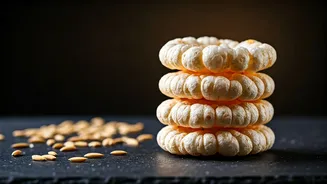
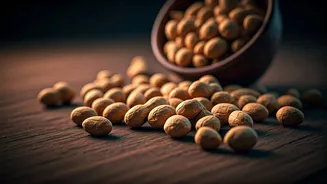
Here it is, the homemade twist worth trying: adding a handful of poha (flattened or beaten rice) to your dosa batter. This humble ingredient, a staple in breakfast dishes across India, is the secret weapon you’ve been missing. You don't need a special kind—thin or thick poha will work just fine. This isn't a modern invention but a traditional trick passed down in families and used by discerning home cooks to guarantee crispier dosas, better browning, and a beautiful texture.
How This Simple Ingredient Works Wonders
The magic of poha lies in its composition. When soaked and ground with the rice and dal, it does two things. First, it adds a different kind of starch to the batter. This starch cooks up beautifully, creating a brittle, fragile structure that becomes incredibly crisp when it hits the hot pan. It helps the dosa hold its shape while remaining light and airy. Second, the sugars in the poha aid in fermentation and contribute to a gorgeous, even golden-brown colour without you having to cook the dosa for too long, which can make it tough. It essentially gives your batter the structural integrity and browning capability it needs to mimic that restaurant-quality finish.
Putting It Into Practice
Incorporating this twist is incredibly easy. Just follow this simple ratio: for every 2 cups of rice you use for your batter, add ¼ cup of poha. When you soak your rice, simply soak the poha in a separate bowl for about 15-20 minutes before grinding. It doesn't need hours of soaking like rice and dal. Once it's soft, add it to the grinder along with your soaked rice and grind everything into a smooth paste. Then, add your ground dal, mix, and let the batter ferment as you normally would. You don’t need to change any other part of your trusted recipe. The poha integrates seamlessly, but the results on the tawa will be dramatically different.
Bonus Tips for Ultimate Crispiness
While poha is the star, a few other adjustments can elevate your dosa game even further. Ensure your tawa is very hot before you pour the batter; a drop of water should sizzle and evaporate instantly. Once you spread the batter, turn the heat down to medium to allow it to cook through and become crisp without burning. Use a light hand when spreading the batter in a circular motion to get it as thin as possible. And finally, don’t be shy with the oil or ghee. A drizzle around the edges and a little on top is crucial for that final-stage frying that delivers the perfect crunch.