




A Landmark Treaty Nears Its End
Signed in 1996 by then-Prime Ministers H.D. Deve Gowda of India and Sheikh Hasina of Bangladesh, the Ganges Water Treaty was a diplomatic achievement that provided a 30-year framework for sharing the river's waters. Its primary focus is the dry season,
from January 1 to May 31, when water is scarcest. The treaty dictates how water released from the Farakka Barrage in West Bengal, just upstream from the border, is allocated. With the agreement not having an automatic renewal clause, its expiration requires a new round of high-stakes diplomatic engagement to either craft a new pact or revise the existing one.
The Farakka Barrage: Heart of the Matter
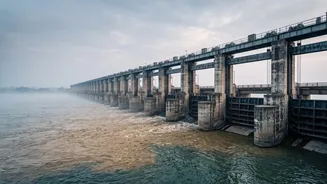
The Farakka Barrage, operational since 1975, is central to the treaty. India constructed it to divert water into the Hooghly River to flush out sediment and maintain the navigability of Kolkata Port. However, this diversion has long been a point of contention. Bangladesh, as the lower-riparian country, has consistently raised concerns about reduced water flow, which it states has led to increased salinity, desertification, and damage to its fisheries and agriculture, particularly in the lean months. The 1996 treaty established a formula: when water flow at Farakka is 70,000 cusecs (cubic feet per second) or less, both countries get 50%. During certain critical periods, both are guaranteed 35,000 cusecs in alternating 10-day slots.
New Challenges for Renewal Talks
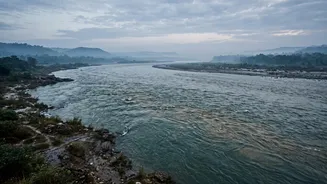
Thirty years after the original agreement, the context has changed dramatically. Climate change is altering rainfall patterns and causing glacier retreat in the Himalayas, affecting the Ganges' flow. Both nations also face rising domestic water demands from growing populations, industries, and agriculture. Indian states like Bihar and West Bengal have voiced their own needs, urging that their interests be protected in any new agreement. Meanwhile, Bangladesh's government is pushing to reinstate a 'minimum guarantee' clause from a previous 1977 accord, which the current treaty lacks, to secure a baseline flow even in the driest periods.
Political Tides and Diplomatic Hurdles
The negotiations are not just technical; they are deeply political. A change in government in Bangladesh has shifted the diplomatic landscape. Renewal talks are complicated by a soured relationship following the 2024 uprising and the departure of former Prime Minister Sheikh Hasina, who originally signed the pact, to India. India has indicated that a high-level visit from the current Bangladeshi Prime Minister, Tarique Rahman, may be necessary to move forward, but no trip has been confirmed. The Joint Rivers Commission (JRC) is the formal mechanism for discussions, but ministerial-level meetings have been infrequent, adding to the uncertainty.
What's at Stake for the Region
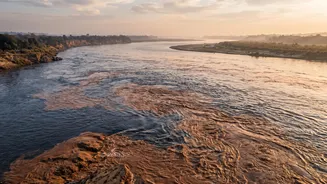
The outcome of these negotiations will have profound implications. For millions in Bangladesh, the flow of the Ganges (known there as the Padma) is a lifeline, and failure to secure a deal could worsen water shortages and threaten livelihoods. For India, a successful renewal is crucial for maintaining its 'Neighbourhood First' policy and ensuring regional stability. The treaty is a test case for transboundary water management in South Asia, a region highly vulnerable to climate change. Beyond the Ganges, the unresolved issue of a water-sharing treaty for the Teesta River, another of the 54 rivers shared by the two countries, looms in the background, highlighting the broader challenges in bilateral water diplomacy.