

Post-Monsoon Access: What to Expect
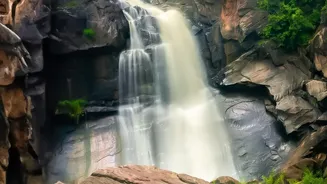
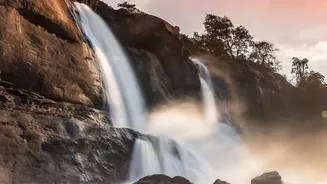
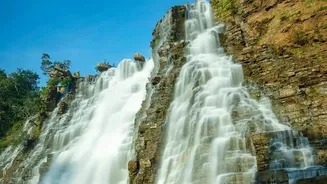
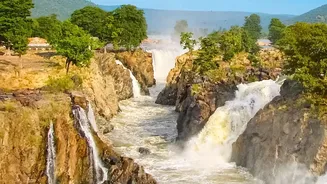
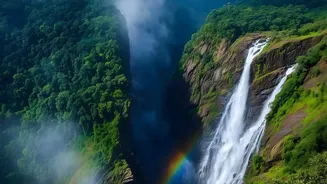
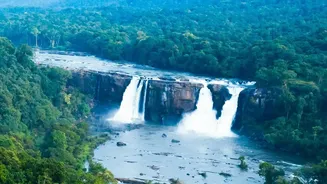
Visiting Dudhsagar right after the monsoon, from October onwards, is when the falls are at their most powerful and the surrounding greenery is lush. However, access is highly regulated for safety. The primary and only officially sanctioned way to reach
the base of the waterfall is via a jeep safari from the village of Kulem (also spelled Collem). Trekking along the railway tracks is strictly and permanently banned, with patrols enforcing this rule to prevent accidents on the slippery, dangerous terrain. Forest treks may be available through permitted guides, but these are also subject to weather conditions and official clearances. Always verify the current status before your trip, as heavy rains can lead to temporary closures.
Route 1: The Official Jeep Safari
The most direct route is the authorised jeep safari through the Bhagwan Mahaveer Sanctuary and Mollem National Park. Your journey starts at Kulem, where you can hire a registered jeep. From key Goan hubs like Panjim, Margao, or Calangute, you can reach Kulem by taxi, a rented scooter, or by taking a local train. The jeep ride itself is a bumpy, 45-minute adventure through forest streams and rugged terrain. Each jeep accommodates up to seven people, and you are allotted one and a half hours at the falls before the return journey. This is the safest and most reliable way to get up close to the waterfall base, especially after the rainy season.
Route 2: The Scenic Train View
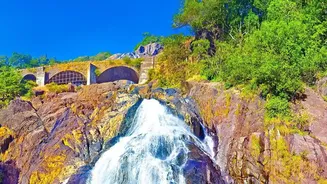
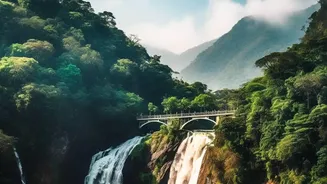
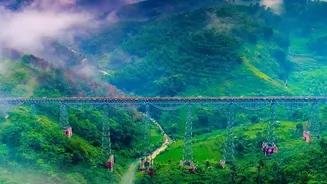
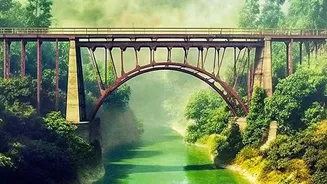
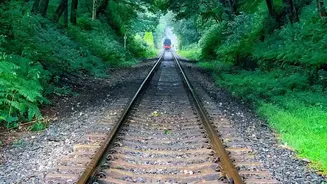
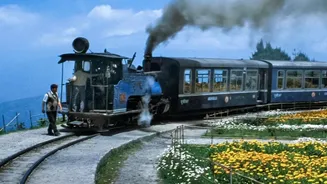
For a different perspective, you can witness the waterfall from a passing train. The Madgaon-Belgaum rail route offers spectacular views as the train crosses a bridge directly in front of the falls. While there is a station named Dudhsagar (DWF), passenger trains are generally prohibited from stopping there, and de-boarding is not allowed for safety reasons. However, trains often slow down, allowing passengers to capture photos and enjoy the stunning vista. Trains like the Goa Express, Amaravati Express, or the Vasco-Londa passenger service provide this scenic journey. This option is purely for viewing the falls from a distance and does not provide access to the base.
A Cost-Effective Breakdown
Planning your expenses helps make the trip affordable. The main cost is the jeep safari. You can book a seat in a shared jeep or hire an entire vehicle. Prices per person for a shared jeep are generally fixed by the local operators' association. As of recent updates, the cost is around ₹500–₹850 per person, which often includes the forest entry fee and a mandatory life jacket rental. If you hire a full jeep for a private group, it can cost approximately ₹3500. Additional costs include a nominal forest department entry fee and a fee for cameras. To save money, travel to Kulem using local transport like a bus or train, which is significantly cheaper than a private taxi. A train ticket from Madgaon to Kulem, for instance, is very inexpensive.
Essential Safety and Booking Tips
Safety should be your top priority. The post-monsoon currents can be strong, so swimming is only advisable when the water is calm and in permitted areas. Always use the mandatory life jackets provided. The rocks are slippery, so wear sturdy footwear with a good grip. It's wise to book your jeep safari in advance, especially during the peak season from October to January, as the number of jeeps allowed per day is limited. Since 2026, some operators have moved to a digital permit system requiring booking in advance. Carry a valid photo ID for verification at the counter. Pack light, but include essentials like water, snacks, a first-aid kit, and a waterproof bag for your electronics, as you will get sprayed by the mist from the falls.