

The North: Gujiya's Golden Embrace
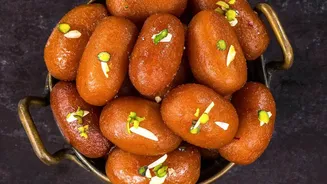
Our journey begins in North India, where the festival of Holi would be incomplete without Gujiya. This crescent-shaped sweet pastry is a delightful parcel of joy, typically filled with a rich mixture of khoya (milk solids), chopped nuts, and fragrant
cardamom. Fried to a perfect golden-brown crisp, the flaky exterior gives way to a sweet, slightly grainy filling. While deeply associated with the vibrant chaos of Holi, where it's shared among friends and family, this beloved sweet also makes an appearance during Diwali. Its origins are ancient, with some historians tracing it back to a similar sweet mentioned in old Sanskrit texts, while others suggest a possible connection to the Turkish baklava, adapted over centuries to Indian tastes. Today, making gujiyas is a cherished pre-festival ritual in many homes, a symbol of prosperity and the sweet beginnings the festival heralds.
The West: Modak, An Offering of Joy
Traveling west to Maharashtra, we encounter the Modak, a sweet dumpling that is central to the celebration of Ganesh Chaturthi. This delicately crafted treat is considered the favorite of Lord Ganesha, earning him the name 'Modakpriya' or 'one who loves modak'. The most traditional form, Ukadiche Modak, features a soft, steamed rice flour shell encasing a sweet filling of fresh coconut and jaggery. The shape itself is symbolic, representing a pouch of spiritual wisdom. Offering 21 modaks during the festival is a common practice, believed to bring joy, remove obstacles, and symbolize devotion. The name 'modak' is derived from the Sanskrit word for happiness, and each bite of this steamed delight is meant to represent the sweet rewards of a wise and virtuous life.
The East: Bengal's Sweet Surrender
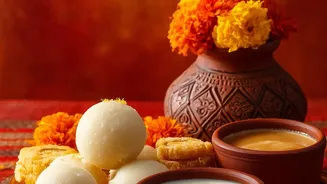
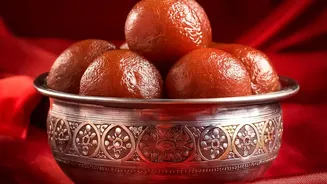
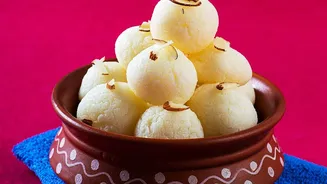
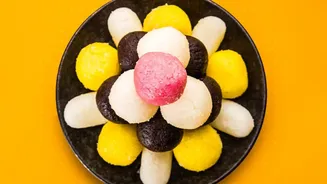
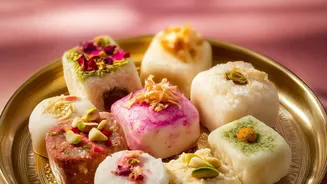
In the East, especially in West Bengal, the grand festival of Durga Puja is accompanied by an incredible array of sweets, many made from chhena (fresh cottage cheese). Among the most iconic is the Sandesh. This delicate, melt-in-your-mouth sweet is made by kneading chhena with sugar or, for a more prized version, nolen gur (date palm jaggery), which imparts an earthy, caramel-like flavour. Another star is the Rasgulla, a spongy ball of chhena soaked in a light sugar syrup, famous for its simple yet satisfying sweetness. During the Puja, these sweets are not just desserts; they are offerings, gifts, and an integral part of the celebratory feast, representing the sweetness and joy of the divine mother's visit.
The South: Payasam's Creamy Comfort
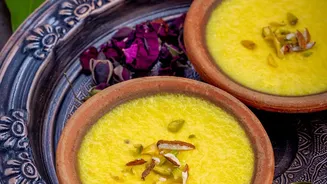
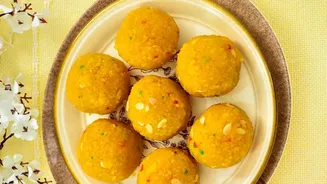
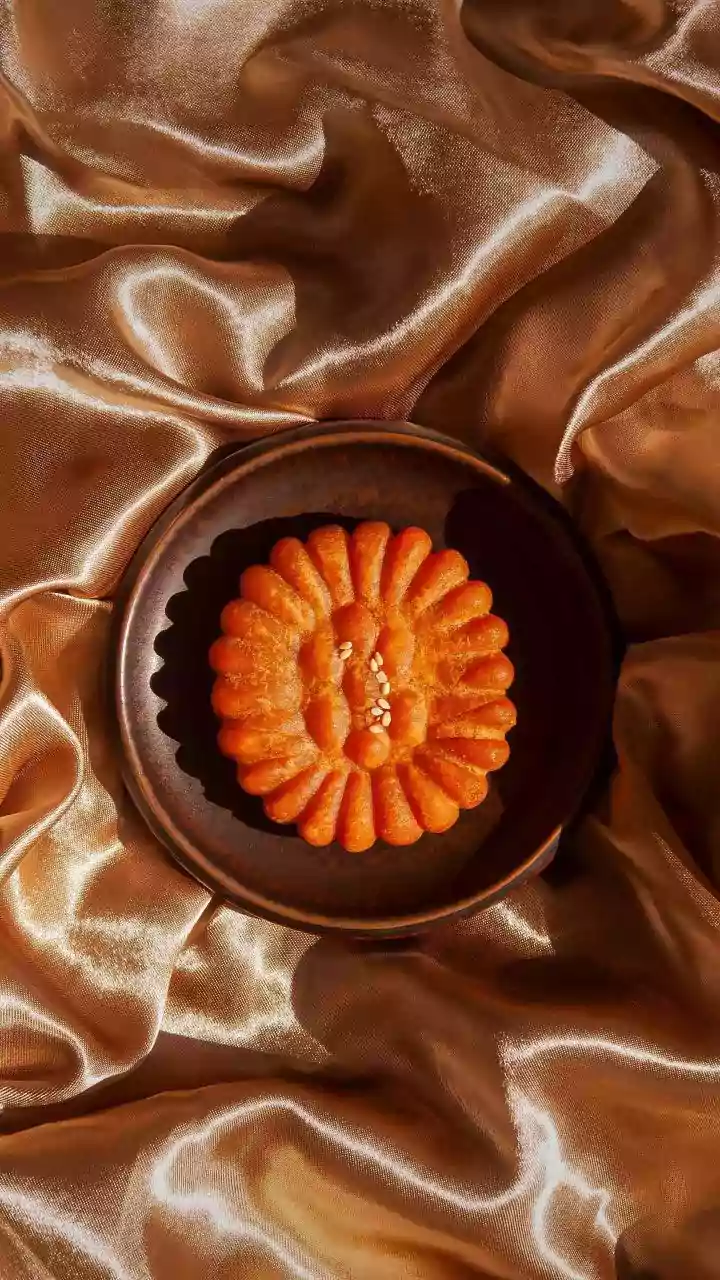
Our tour concludes in the South, where no festive meal, or 'sadhya', is complete without a serving of Payasam (or Kheer). This creamy pudding is a versatile dessert with countless variations across the southern states, especially during festivals like Onam in Kerala and Pongal in Tamil Nadu. Palada Payasam, made with milk, sugar, and delicate rice flakes (ada), is a rich and creamy classic. Ada Pradhaman offers a different profile, using coconut milk and jaggery for a deeper, more rustic sweetness. Whether it's made with vermicelli (semiya), lentils, or even jackfruit, payasam is the ultimate comfort food, a symbol of abundance and a sweet, flowing conclusion to a grand feast. Another southern icon is the decadent Mysore Pak from Karnataka, a rich confection born in the royal kitchens of Mysore, made from gram flour, generous amounts of ghee, and sugar. Its fudge-like, melt-in-the-mouth texture makes it a staple at weddings and festivals across the region.