






What's Changing Onboard?
Indian Railways' Northeast Frontier Railway (NFR) has rolled out an enhanced 'On-Board Services' program aimed squarely at improving the passenger experience. This isn't just a minor touch-up; it's a comprehensive overhaul of how cleanliness and hygiene
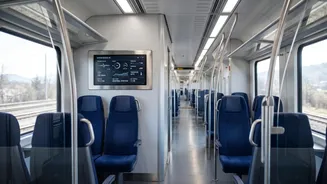
are managed during the journey. The initiative focuses on the entire passenger environment, promising more frequent and thorough cleaning of coaches, including the often-neglected AC windows. A major point of emphasis is on washroom maintenance, a frequent pain point for long-distance travellers. The new system ensures better upkeep and hygiene standards in lavatories throughout the trip. Beyond just cleaning, the service also covers more efficient waste management to keep bins from overflowing and corridors clear. For passengers in sleeper classes, the timely distribution and collection of fresh linen are also part of this upgraded package. To make this happen, dedicated housekeeping teams are now deployed on these select trains, making service more immediate and accountable. This move by NFR, which makes it the second zonal railway to implement such a system, signals a commitment to raising the bar for onboard comfort.
Your Feedback, Digitally Tracked
The most significant change is the introduction of a robust digital monitoring system that empowers passengers and increases accountability. This technology-driven approach moves service management from manual supervision to real-time, data-led oversight. A key feature is the use of Artificial Intelligence (AI) to conduct cleaning assessments, ensuring that the work done meets a predefined standard. Furthermore, service verification is geo-tagged, and staff movements can be tracked digitally, creating a clear record of when and where cleaning tasks were performed. For passengers, this new system offers a direct line of communication. Through real-time feedback mechanisms, travellers can provide star ratings on the quality of service. Perhaps most importantly, there's now a two-hour target for resolving any complaints raised by passengers during their journey. Whether it's a dirty washroom or a lack of water, a dedicated team is now on a clock to fix it. If the issue isn't resolved within that window, it is automatically escalated to higher railway authorities, ensuring that no complaint goes ignored. A central monitoring system ties all of this data together, allowing officials to get a clear, live picture of service quality across the fleet.
The Five Upgraded Routes
This initiative has been implemented on five superfast train services that are vital links for the Northeast region. The rollout, which took place between October 10 and October 14, 2026, includes two of the nation's premier Vande Bharat Express trains and three other popular long-distance services. The trains now operating with these enhanced services are: 1. The New Jalpaiguri–Patna Vande Bharat Express (22233/22234). 2. The New Jalpaiguri–Guwahati Vande Bharat Express (22227/22228). 3. The Guwahati–Kolkata Garib Rath Express (12518/12517). 4. The Dibrugarh–Mumbai LTT Express (15946/15945). 5. The Kamakhya–SMVT Bengaluru Express (12552/12551). These routes connect the Northeast with major hubs like Kolkata, Patna, Mumbai, and Bengaluru, meaning a vast number of travellers will now experience this new standard of service. The inclusion of both modern Vande Bharat trains and workhorse superfast expresses shows a broad commitment to improving travel for a wide range of passengers.
A Push for a Better Journey
This move by Northeast Frontier Railway is part of a larger trend within Indian Railways to modernise its services and make passenger experience a top priority. By integrating technology with basic amenities like cleanliness and hygiene, the goal is to create a more comfortable, reliable, and responsive travel environment. The system of digital tracking, AI-based assessments, and direct passenger feedback creates a loop of continuous improvement. Railway officials are no longer just relying on periodic inspections; they have access to a constant stream of performance data. This allows for the quick identification of problem areas and systemic failures, whether it's related to staffing, supplies, or protocols. For passengers, it transforms the travel experience from a passive one, where they had to hope for good service, to an interactive one, where their feedback has a direct and measurable impact. The two-hour complaint resolution target is a particularly strong statement of intent, promising travellers that their concerns will be heard and acted upon swiftly during their journey.