





The End of Frantic Note-Taking?
University lecture halls are notorious for their information density. Professors, passionate about their subject, can move through complex topics at a speed that leaves even the most diligent note-takers behind. For decades, the student's toolkit has
been limited: lightning-fast typing, complex shorthand, or a simple audio recorder that created hours of review work. This often leads to a dilemma: either pay full attention to the lecturer's explanation or divert focus to capturing it, risking a loss of comprehension either way. A 2014 study highlighted this, finding that students who summarized lectures retained more than those who tried to transcribe them word-for-word. This is the problem that a new category of technology aims to solve, promising not just to capture lectures, but to make them immediately useful.
How AI Recorders Work
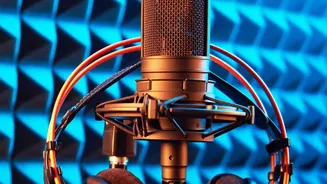
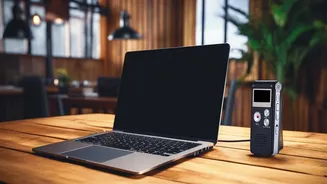
These are not your old dictaphones. Modern AI recorders are sophisticated devices and apps that combine audio capture with artificial intelligence. When a student records a lecture, the device doesn't just save the sound file. On-device or cloud-based AI engines first transcribe the speech into text. Then, the real magic happens: a large language model (LLM) analyzes the full transcript and generates a structured summary, complete with headings, key points, and sometimes even a list of action items or potential exam topics. Many of these tools can also identify different speakers, which is useful when a lecture includes guest presenters or extensive class discussion. The goal is to transform a one-hour lecture into a concise, searchable, and digestible set of notes in minutes.
The Offline Advantage
The key innovation highlighted in the headline is the offline capability. Many lecture halls and campus buildings have spotty Wi-Fi, and relying on mobile data for hours of audio processing is impractical and expensive. True offline AI recorders address this by performing the initial audio capture and storage locally on the device. Some advanced tools can even perform the entire transcription and summarization process on the device itself without ever needing an internet connection. For others, the term 'offline' means the device reliably records the audio locally, then syncs with a cloud service to perform the AI processing once a connection is available. This hybrid approach still solves the core problem: capturing the lecture reliably without depending on a live, stable internet connection. This makes the technology accessible and dependable for students regardless of their classroom's connectivity.
A New Study Tool, Not a Crutch
The benefits extend beyond mere convenience. With the pressure of transcription removed, students can engage more actively in the lecture, focusing on understanding concepts and participating in discussions. The AI-generated summary becomes a powerful starting point for revision. Instead of re-listening to an entire recording, students can quickly review key concepts, search for specific terms, and use the notes to build their own study guides. Some apps even integrate features that create flashcards or quizzes from the lecture content, further streamlining the learning process. When used properly, these recorders function less as a crutch and more as a personal teaching assistant, helping students to organize and process information more efficiently.
Permissions and Privacy Pitfalls
The rise of these powerful devices also brings important ethical and policy questions. Most universities have policies regarding the recording of lectures; students typically need explicit permission from the instructor. These rules are in place to protect the intellectual property of the lecturer and the privacy of other students who might participate in discussions. Using an AI tool adds another layer of complexity. Where does the data go? Who has access to it? Some AI services process audio on third-party cloud servers, which could raise privacy concerns, especially with sensitive topics. Students must be diligent in understanding both their university's academic integrity policy and the privacy policy of the app or device they choose to use. As a rule, recordings should be for personal study only and never shared without permission.