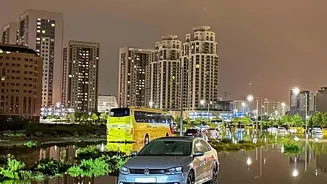





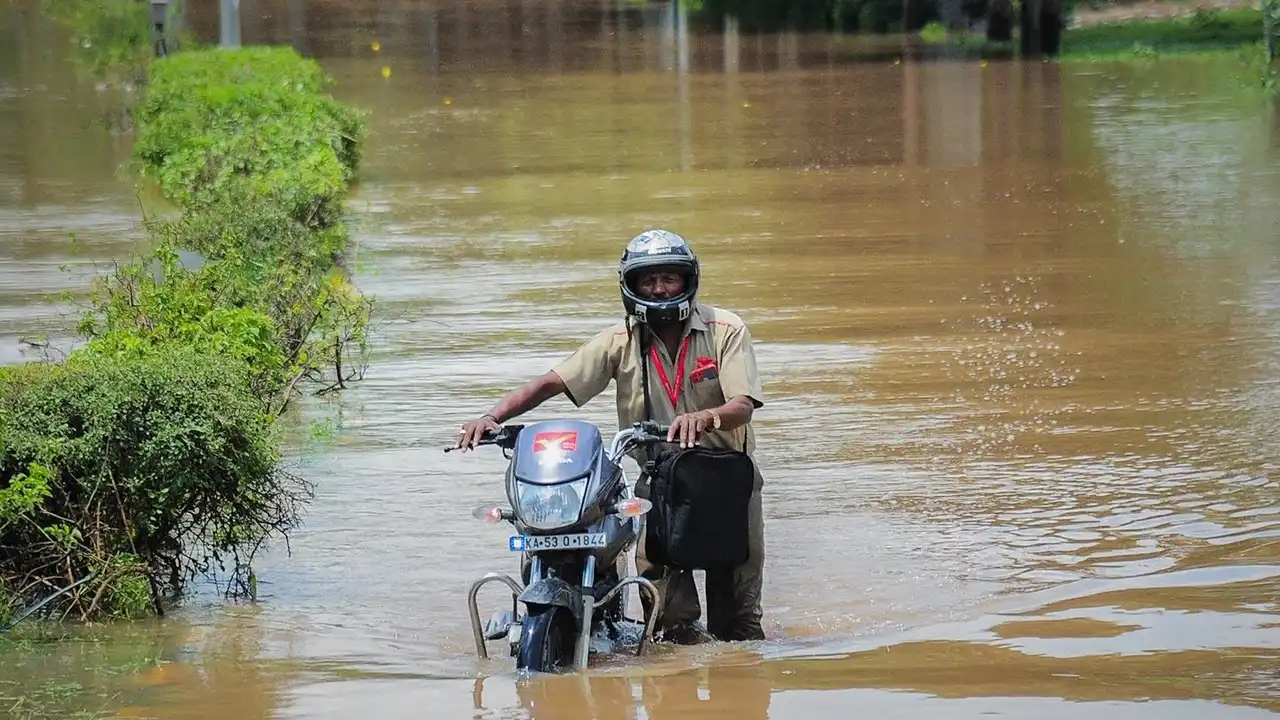
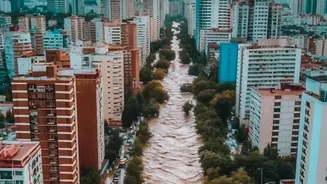
Every monsoon, familiar scenes of waterlogged streets play out across Indian cities. But what if one of the best defences against this annual chaos isn't more concrete, but something far more natural? Enter the humble wetland.
Nature's Sponges in Our Backyard
Wetlands are areas where
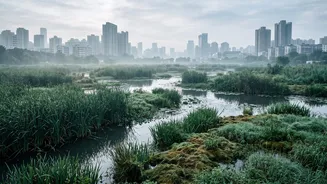
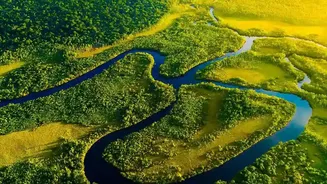
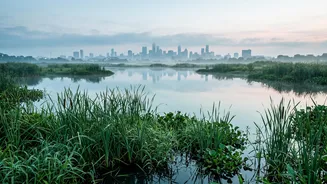
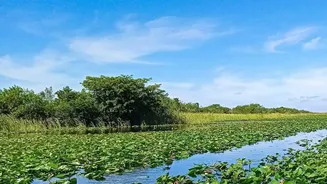
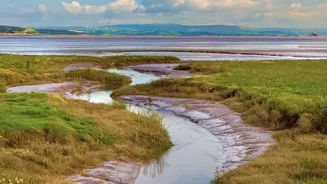
water covers the soil or is present either at or near the surface, either all year or for varying periods. They include diverse ecosystems like marshes, mangroves, lakes, lagoons, and river floodplains. Often dismissed as wastelands, they are actually nature's highly effective flood-management systems. Think of them as giant, natural sponges. During heavy monsoon downpours, instead of letting rainwater overwhelm urban drainage systems, wetlands absorb and store vast quantities of this excess water. An acre of wetland can store over a million gallons of floodwater, significantly reducing the volume of water rushing into our streets and homes.
Slowing the Flow, Reducing the Damage
Beyond just storing water, wetlands play a crucial role in slowing it down. The dense vegetation found in healthy wetlands, like reeds and grasses, acts as a natural brake, reducing the speed and force of flowing water. This process, known as 'attenuation', lowers flood peaks and gives rivers and man-made drains more time to cope with the influx. By slowing the surge, wetlands help prevent flash floods and reduce downstream erosion, protecting property and infrastructure from severe damage. Without these natural barriers, flood peaks in a watershed can increase by as much as 80 percent.
The Silent Protectors of Our Cities
Many Indian cities historically developed around these life-sustaining water bodies. A prime example is the East Kolkata Wetlands, a 12,500-hectare ecosystem that serves as a natural flood buffer for the city. This Ramsar-recognized site absorbs excess rainfall and also naturally treats a significant portion of the city's sewage, showcasing how nature-based solutions can outperform expensive engineered infrastructure. Similarly, coastal wetlands like mangroves act as a frontline defence against storm surges, with their dense roots and trunks absorbing wave energy and protecting coastal communities.
A Fading Shield and Rising Risk
Despite their immense value, India's wetlands are disappearing at an alarming rate. Over the last three decades, the country has lost nearly 40% of its wetlands, with urban centres being hit the hardest. Cities like Mumbai, Chennai, and Bengaluru have lost over 70% of their wetlands to encroachment, pollution, and unplanned urbanisation. This widespread loss is directly linked to the increased frequency and severity of urban flooding. As concrete replaces permeable soil, rainwater has nowhere to go, overwhelming drainage systems that were often built for a different era.
More Than Just Flood Control
The benefits of wetlands extend far beyond monsoon season. They are often called nature's 'kidneys' for their ability to filter pollutants, heavy metals, and sediment from runoff, naturally purifying our water. They play a vital role in recharging groundwater aquifers, which is critical for water security in many parts of India. Furthermore, these ecosystems are biodiversity hotspots, supporting countless species of plants, birds, and fish, and providing livelihoods for local communities through fishing and agriculture. They also act as significant carbon sinks, storing vast amounts of carbon and helping regulate the climate.
The Path to a Flood-Resilient Future
Recognising their importance, conservation efforts are underway. India's National Plan for Conservation of Aquatic Ecosystems (NPCA) aims to conserve and manage the nation's wetlands. However, effective protection requires integrating wetlands into city master plans, treating them as essential green infrastructure, and preventing further encroachment. Public awareness and community participation, through initiatives like 'Wetland Mitras', are crucial for turning the tide. Protecting and restoring our local wetlands isn't just an environmental issue; it is a critical step towards building more climate-resilient cities and ensuring a safer, water-secure future for all.