






The Deceptive 'Healthy' Halo
As temperatures rise, so does our consumption of seemingly refreshing beverages. We reach for packaged fruit juices, flavoured lassis, and commercial nimbu panis, often believing they are a healthier alternative to fizzy colas. However, a growing chorus
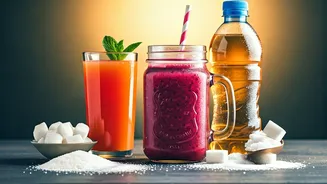
of nutritionists and health-conscious consumers is pulling back the curtain on these drinks. The truth is, many are 'sugar bombs' in disguise. A single serving of a commercially prepared 'healthy' drink can contain more sugar than the World Health Organization's recommended daily limit of 25 grams (about 6 teaspoons) for an adult. This isn't just about empty calories; it's about a direct link to health issues like weight gain, type 2 diabetes, and heart disease.
Why Are They So Sweet?
Why do manufacturers load up these drinks with so much sugar? The reasons are threefold: taste, preservation, and cost. Sugar makes products hyper-palatable, ensuring you come back for more. It creates a 'bliss point' that our brains are hardwired to seek out. Secondly, sugar acts as a preservative, extending the shelf life of packaged goods, which is crucial for mass distribution. Finally, sweeteners like high-fructose corn syrup are often cheaper and more stable in liquid form than using real fruit concentrate, which would provide natural sweetness. This means that even drinks marketed with images of fresh fruit on the label might derive most of their sweetness from added sugars, not the fruit itself.
The Usual Suspects
It’s easy to point fingers at colas, but the biggest culprits are often the ones you least suspect. Let's break them down: * **Packaged Fruit Juices:** Often labelled as '100% Juice', these drinks have been stripped of their natural fibre. You're left with concentrated fruit sugar (fructose) that hits your bloodstream rapidly. Many 'juice drinks' or nectars have even more sugar added on top. * **Flavoured Yogurts and Lassis:** A plain lassi can be healthy. But the mango, strawberry, or rose-flavoured versions sold in stores are frequently loaded with sugar syrups to achieve their taste. A small bottle can easily pack 5-7 teaspoons of sugar. * **Iced Teas and Coffees:** The pre-bottled lemon iced tea or cold coffee you grab on the go is a major offender. The bitterness of tea and coffee is often masked with an enormous amount of sugar to appeal to a wider audience. * **Traditional Drinks, Commercial Twists:** Even our beloved shikanji or jaljeera can be a problem when bought from a commercial vendor or as a powdered mix. To ensure consistent taste and appeal, they often contain far more sugar than what you’d add at home.
Become a Sugar Detective
The first step to avoiding this sugar trap is learning to read the nutrition label. Don't just look at the front of the package. Turn it over and look for 'Nutritional Information'. Pay attention to 'Total Sugars' per 100ml and multiply that by the serving size to understand your total intake. Under the ingredients list, be aware that sugar has many names. Watch out for high-fructose corn syrup, dextrose, sucrose, maltodextrin, and fruit juice concentrate. Ingredients are listed by weight, so if any of these are near the top of the list, it's a red flag that the drink is primarily sugar and water.
Smarter, Healthier Alternatives
Cutting back doesn't mean a boring summer. It’s about taking back control. The best approach is to make your own drinks. This way, you control exactly what goes in. Brew a large pitcher of tea, let it cool, and flavour it with fresh mint and a squeeze of lemon. Blend your own lassi with plain curd and a small amount of fruit or a pinch of salt and cumin. Infused water is another fantastic option—simply add slices of cucumber, lemon, orange, or berries to a jug of water. When you're out, make specific requests. Ask for fresh lime soda with salt ('nimbu pani') and specify 'no sugar'. Choose buttermilk (chaas) over sweet lassi, or simply opt for plain water or coconut water.