








A City's Relief, A Nation's Concern
For weeks, Mumbaikars waited. The usual early-June arrival of the southwest monsoon, an event that transforms the city and signals a shift in the national rhythm, was nowhere in sight. When the downpour finally began, more than a week past its typical
onset date, the collective sigh of relief was palpable. The oppressive heat and humidity broke, and the city embraced the chaos and charm of its rainy season. Yet, the celebration in Mumbai cannot overshadow a stark national reality. The very delay that tested the patience of one metropolis is a symptom of a much larger problem: a weak start to India's crucial monsoon season, the lifeline for its economy and agriculture.
Decoding the 46% Deficit
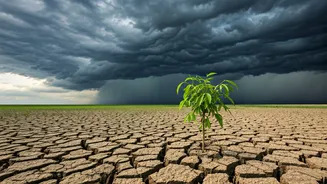
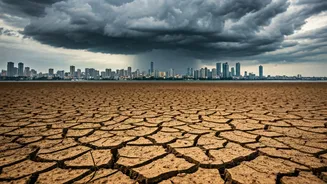
The figure of a 46% rainfall deficit is not just a statistic; it’s a warning sign. According to the India Meteorological Department (IMD), for the first few weeks of June, the country as a whole received less than half of the rain it normally would. This is one of the most significant shortfalls in recent years. While some regions, like parts of the south, saw a timely onset, the monsoon's northward progress stalled. This created vast, dry patches across central and northern India, areas that are critically dependent on June rains to prepare their fields for sowing. This initial deficit puts immense pressure on the remaining months of the monsoon season to compensate for the slow start.
The Direct Hit on Agriculture
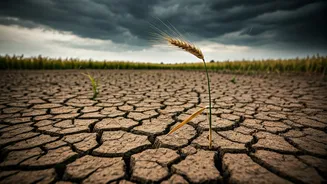
The timing of the monsoon is everything for India's farmers. The June rains are essential for the sowing of Kharif (summer) crops, which include staples like rice, maize, soybeans, and cotton. A delayed monsoon directly translates to delayed sowing. This has an immediate knock-on effect. If the delay is prolonged, farmers may be forced to switch to less profitable, shorter-duration crops, or in worst-case scenarios, not sow at all. As of late June, reports from across the country indicated that the area under cultivation for key Kharif crops was significantly lagging behind the previous year. For a nation where over half the workforce is linked to agriculture and a significant portion of farmland is rain-fed, this is a serious economic threat.
Beyond the Farm: The Ripple Effect
A weak monsoon doesn't just affect farmers; its tremors are felt throughout the economy. Lower agricultural output can lead to a spike in food prices, fuelling inflation that hurts every household's budget. It also means lower incomes in rural India, which in turn dampens demand for everything from fast-moving consumer goods to tractors and motorcycles. Furthermore, the monsoon is vital for replenishing the country's reservoirs. These water bodies are crucial for drinking water supplies, industrial use, and generating hydroelectric power. Low reservoir levels at the start of the season raise concerns about potential water and power shortages later in the year, even if the rains eventually pick up.
All Eyes on July and August
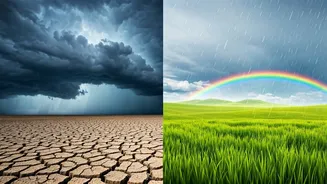
Despite the grim start, all is not lost. The IMD and other weather forecasters have often predicted that the monsoon could gain momentum in July and August, which are statistically the wettest months. A strong performance during this period has the potential to wipe out the early deficit and salvage the season. The agricultural sector is resilient and can recover quickly if consistent, well-distributed rainfall arrives soon. However, the initial deficit has shrunk the margin for error. The country now depends heavily on the monsoon's performance over the next eight weeks. The progress of the monsoon from this point forward will be one of the most closely watched indicators of India's economic health for the remainder of the year.