







1. Start with the Universe in Your Pocket
The easiest way to dip your toes into the cosmic ocean is already in your hand. Before you invest in expensive gear, download a user-friendly stargazing app. Apps like SkyView Lite, Star Walk 2, and NASA's own app use your phone's camera and GPS to create
an augmented reality map of the sky. Just point your phone at a bright dot, and it will instantly identify it as Jupiter, the star Sirius, or the International Space Station flying overhead. It turns a simple glance at the night sky into an interactive treasure hunt. This is the perfect, no-cost entry point to spark curiosity in kids and adults alike, transforming a quick trip to take out the trash into a moment of genuine wonder. You can hunt for your zodiac constellations or simply see what's twinkling above your own home.
2. Bring the Night Sky Indoors
For rainy nights, younger kids with early bedtimes, or city dwellers cursed by light pollution, a home planetarium is a game-changer. We're not talking about the faint, sticky glow-in-the-dark stars from your childhood bedroom. Modern projectors, like the popular Sega Homestar series or various galaxy projectors, can cast a stunningly realistic and scientifically accurate starfield onto your ceiling. Imagine lying on the living room floor with your family, hot cocoa in hand, watching the Milky Way drift by. It’s an immersive, calming experience that fosters conversation and a sense of awe without anyone having to put on shoes. It’s also a fantastic, screen-free way to wind down before bed, replacing cartoons with constellations.
3. Get a Smarter Telescope
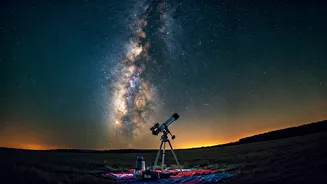
Many of us have a dusty, disappointing memory of a childhood telescope: a wobbly tripod, a blurry image, and a quick loss of interest. Technology has solved this. A new generation of “smart” or “computerized” telescopes has made amateur astronomy incredibly accessible. Models from brands like Celestron and Unistellar often come with app integration that allows the telescope to automatically find and track celestial objects for you. Instead of spending an hour trying to locate Saturn, you simply tap its name on your tablet, and the telescope slews directly to it. This removes the biggest frustration barrier, allowing your family to spend its time actually *looking* at the rings of Saturn or the craters on the Moon, not searching for them in the dark.
4. Host a Neighborhood Star Party
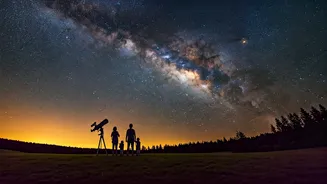
Astronomy is even better when shared. Turn your personal hobby into a community-building event by hosting a star party. It doesn't have to be complicated. Put out a call to the neighbors, set up your telescope (if you have one), lay out some blankets, and serve “cosmic” themed snacks (think Moon Pies or powdered-sugar “meteorite” donuts). Encourage others to bring their own binoculars or telescopes. You can focus the evening around a specific celestial event, like a meteor shower or a full moon. It's a fantastic way to get kids excited, meet like-minded neighbors, and create a shared memory that extends beyond your own family unit. The simple act of gathering to look up at the same sky is a powerful, primal way to connect.
5. Make the Ultimate Pilgrimage: A Dark Sky Park
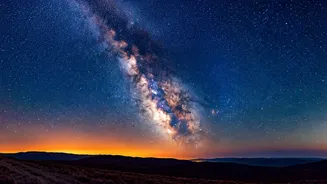
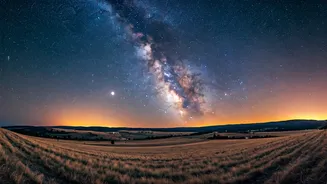
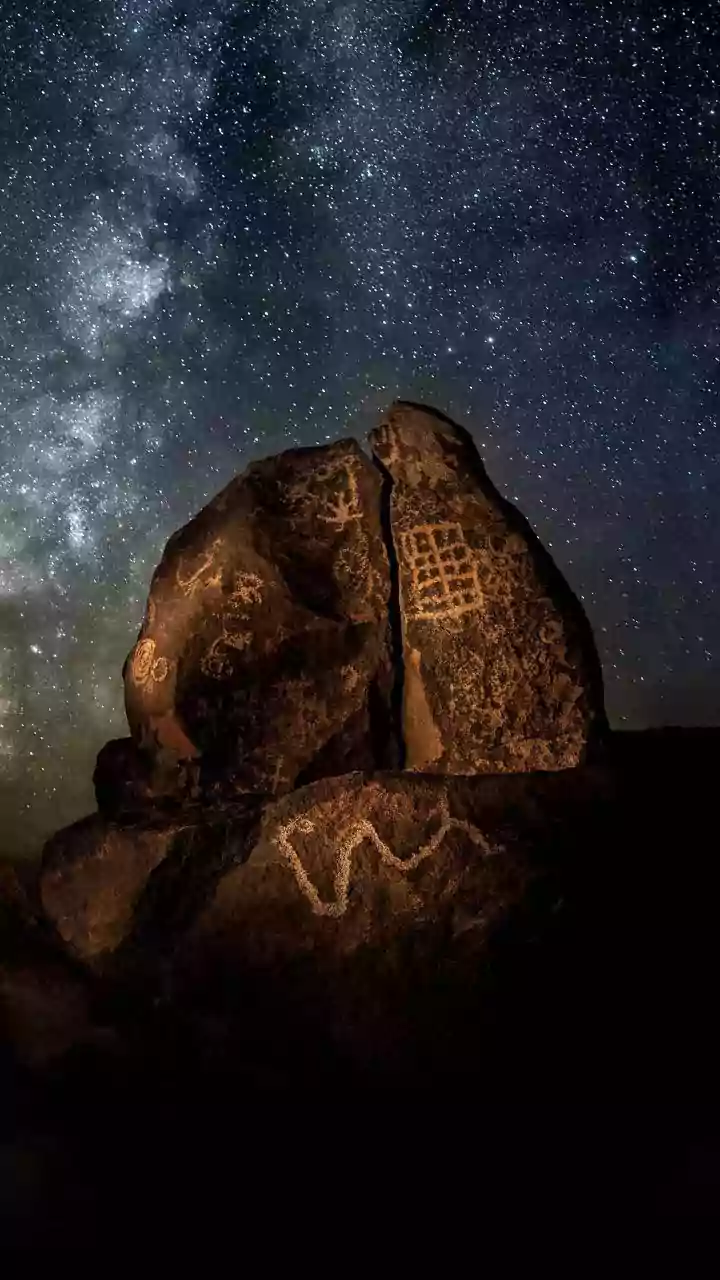
For the ultimate cosmic upgrade, plan a family trip to an officially designated Dark Sky Park. These are locations recognized by the International Dark-Sky Association for their exceptional starry nights and commitment to preserving the darkness. From Joshua Tree in California to Big Bend in Texas and Acadia in Maine, the U.S. is filled with parks that offer a view of the night sky that is simply impossible to see from most cities. Witnessing the Milky Way arch across a truly dark sky, unobscured by light pollution, is a profound, almost spiritual experience. It’s a powerful reminder of our place in the universe and a memory your family will talk about for years. It reframes a family vacation from a simple getaway into a genuine adventure of cosmic proportions.