






The Leaky Bucket of Tourism
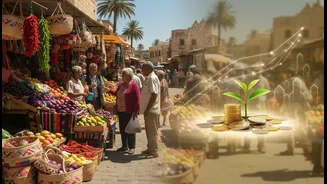
The traditional model of mass tourism often operates like a leaky bucket. While tourists spend significantly on flights, accommodation, and tours, a large portion of that revenue never reaches the local economy. This phenomenon, known as 'economic leakage',
occurs when money flows out to foreign-owned airlines, multinational hotel chains, and booking platforms. For developing countries, this leakage can be staggering. Some studies estimate that for every $100 spent by a tourist, as little as $5 actually stays within the local community. Estimates for India suggest a leakage of around 40%, meaning a substantial chunk of tourism revenue isn't benefiting local businesses or workers. This happens when hotels import food to satisfy international tastes or when souvenirs are mass-produced elsewhere, effectively neutralizing many of the potential economic benefits.
Putting the Community at the Centre
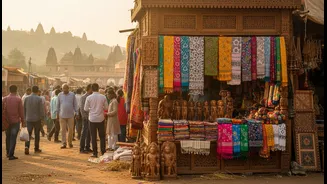
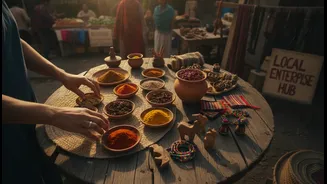
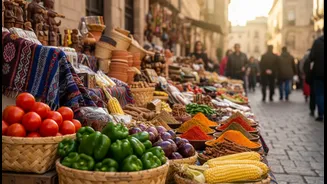
An alternative is gaining ground: community-based tourism (CBT). This model flips the script by placing local residents at the heart of the tourism experience. The core principle is to ensure that communities have substantial control over and involvement in tourism development. This means prioritizing local ownership of guesthouses and homestays, hiring local guides, sourcing food from nearby farms, and promoting artisanal crafts made in the village. By doing so, CBT aims to keep a major proportion of the benefits within the community, creating a more direct link between tourism and local prosperity. This approach not only provides a more authentic experience for travellers but also empowers residents, transforming them from passive employees into active managers of their own cultural and natural heritage.
Success Stories in the Making
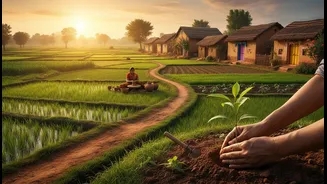
Across India, several states are demonstrating how this can work. In Sikkim, homestay initiatives in villages like Kewzing, established with the help of local committees, allow families to earn income by hosting travellers and sharing their way of life. Kerala's Responsible Tourism Mission has made significant strides by linking tourism operators with local producers, from farmers to craftspeople. The Kudumbashree network, in particular, empowers women's groups to manage tourism-related enterprises. Similarly, states like Rajasthan and Himachal Pradesh are aggressively promoting homestays to bring tourism to rural areas and offer visitors an authentic Indian experience. These initiatives show that with the right structure, tourism can become a powerful tool for sustainable rural development and poverty alleviation.
It's Not a Simple Switch
However, shifting to a community-centric model is not without its challenges. Many local initiatives struggle with a lack of access to financing needed to build or improve infrastructure. Marketing and reaching a global audience is another major hurdle, as small, independent operators can't compete with the massive budgets of multinational corporations. There's also the risk of cultural commodification, where traditions become performative rather than authentic. Furthermore, poor infrastructure like unreliable roads, electricity, and internet connectivity can hamper the quality of the tourist experience in remote areas. Overcoming these obstacles requires structured support and careful planning to ensure the model's long-term success.
The Role of Policy and Travellers
For tourism to be a true engine of local growth, a concerted effort is needed from all sides. Governments play a crucial role. India's National Strategy for Sustainable Tourism, developed in 2022, aims to create a framework for this shift, encouraging partnerships between government bodies, local communities, and the private sector. Policies that support capacity building, provide access to microcredit, and develop eco-certification standards are vital. Travellers, too, hold significant power. By making conscious choices—staying in a locally-owned guesthouse, hiring a community guide, eating at family-run restaurants, and buying directly from artisans—they can directly contribute to the local economy. Each of these small decisions helps plug the leaks in the tourism bucket, ensuring that the money spent on a holiday enriches the people and places that make the journey worthwhile.