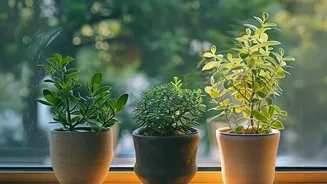




Embrace the Monsoon Challenge
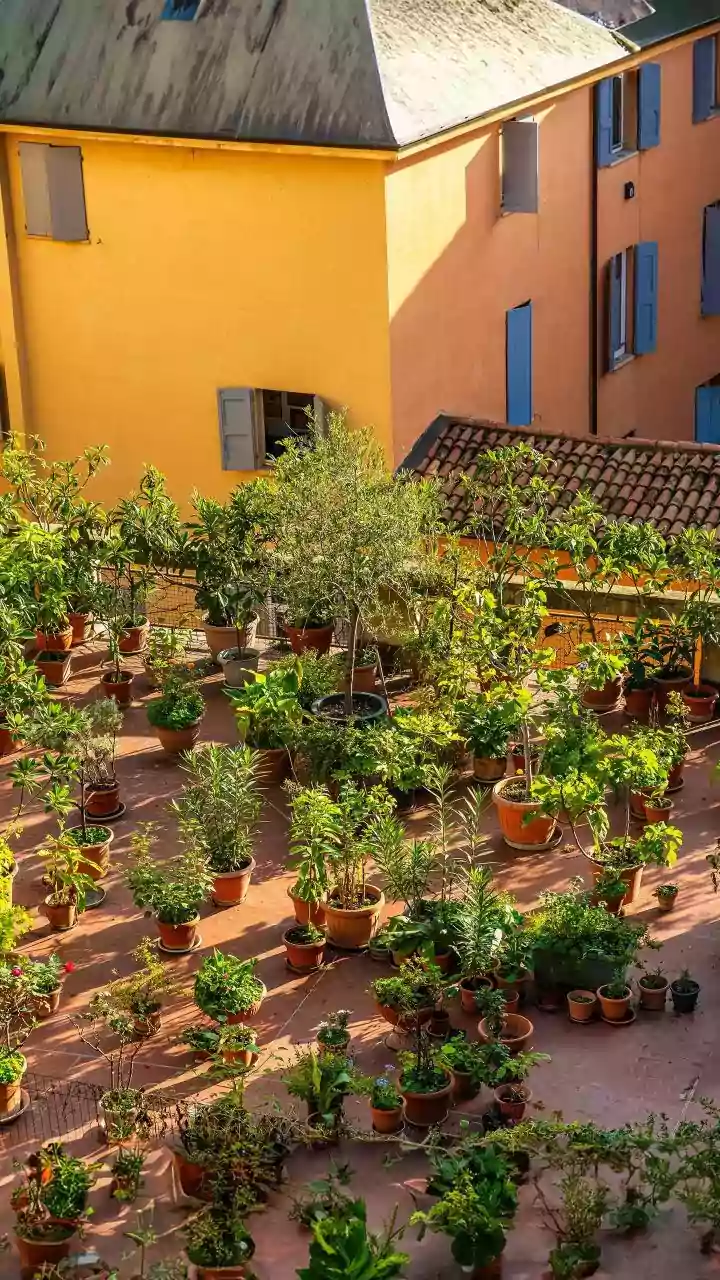
Gardening during the Indian monsoon presents a unique set of challenges compared to other seasons. The primary issues are reduced sunlight and an abundance of water. Heavy, consistent rainfall can lead to waterlogged pots, which suffocates roots and invites
fungal diseases like root rot. The high humidity also creates a perfect breeding ground for pests and fungi. However, these challenges are manageable. The key is to shift your focus from plants that need scorching sun to those that appreciate moisture and indirect light, and to become obsessive about one thing: drainage.
The Foundation: Perfect Potting and Drainage
Your success starts at the bottom of the pot. Excellent drainage is non-negotiable during the monsoon. Ensure every pot has multiple drainage holes to allow excess water to escape freely. It's also wise to elevate your pots on bricks or plant stands to prevent them from sitting in runoff water. The soil itself must be light and airy, not heavy and dense. A well-draining potting mix is essential. Create your own by combining garden soil with equal parts cocopeat and perlite or coarse sand. This mixture prevents the soil from becoming compacted and waterlogged, allowing the roots to breathe even in damp conditions.
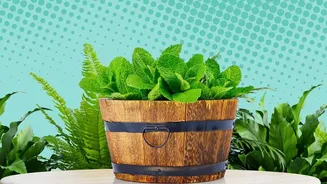
Mint (Pudina)
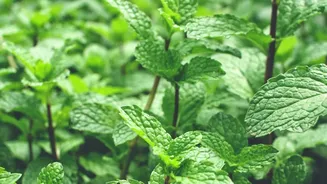
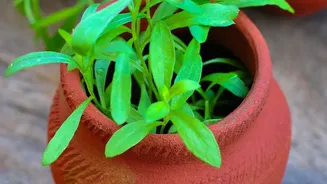
If you can only grow one herb in a low-light monsoon garden, make it mint. This vigorous plant is famously easy to grow and actually prefers partial shade over direct, harsh sunlight. It loves the moisture that the monsoon brings, spreading quickly to provide a steady supply for chutneys, teas, and raitas. Plant it in its own container, as its roots are invasive and will quickly take over a shared pot. Ensure the pot has good drainage, and you'll be rewarded with fragrant leaves all season long.
Coriander (Dhania)
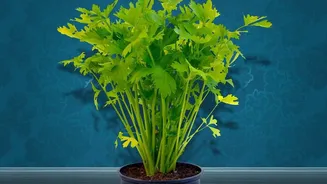
Growing coriander on a balcony can be tricky, but the cooler temperatures and indirect light of the monsoon are actually beneficial. Hot, direct sun causes coriander to bolt (flower prematurely), which stops leaf production. In a partially shaded monsoon balcony, it is more likely to produce lush leaves. Use a wide, shallow pot to give its roots space. The biggest challenge will be preventing the delicate stems from rotting in the damp. Good air circulation is key, so don't overcrowd your seedlings. Water only when the top inch of soil feels dry, as the humid air will provide a lot of moisture.
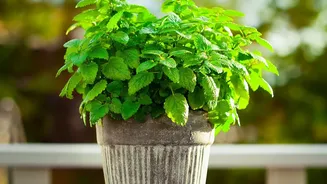
Indian Borage (Ajwain)
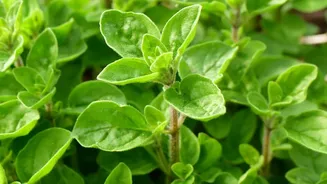
Often mistaken for the ajwain spice, the Indian Borage plant has thick, fleshy leaves with a similar carom-seed aroma. This hardy herb is incredibly well-suited for monsoon container gardening. It is tolerant of both low light and periods of heavy watering, making it a low-maintenance choice. The leaves can be used in pakoras or for home remedies. It grows robustly in high humidity and its thick leaves are less prone to being beaten down by heavy rain. Like mint, it can spread, so a dedicated pot is a good idea.
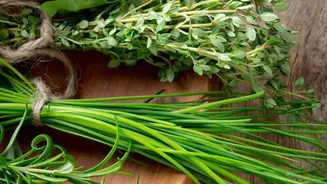
Chives
A member of the onion family, chives are a fantastic choice for balconies that don't get a full day's sun. They offer a mild, onion-like flavour perfect for garnishing soups, salads, and eggs. Chives grow well in pots and are quite tolerant of the cooler, wetter conditions of the monsoon. They require good drainage to prevent their small bulbs from rotting, but otherwise, they are undemanding. Regular trimming encourages more growth, so you can snip what you need and the plant will keep producing.
Monsoon Care and Harvest
During the rainy season, your watering duties will decrease significantly. Always check the soil before watering; if it feels damp, leave it alone. Good air circulation is vital to prevent fungal growth, so give your pots some space and prune them regularly to remove dead leaves and improve airflow. Keep an eye out for common monsoon pests like aphids and mealybugs, which can be managed with a simple spray of neem oil solution. Harvest your herbs regularly, even if you don't need them immediately. Consistent trimming encourages bushier, healthier plants and improves air circulation.