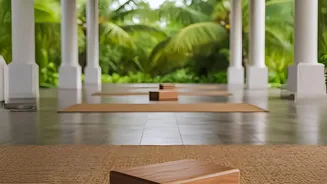



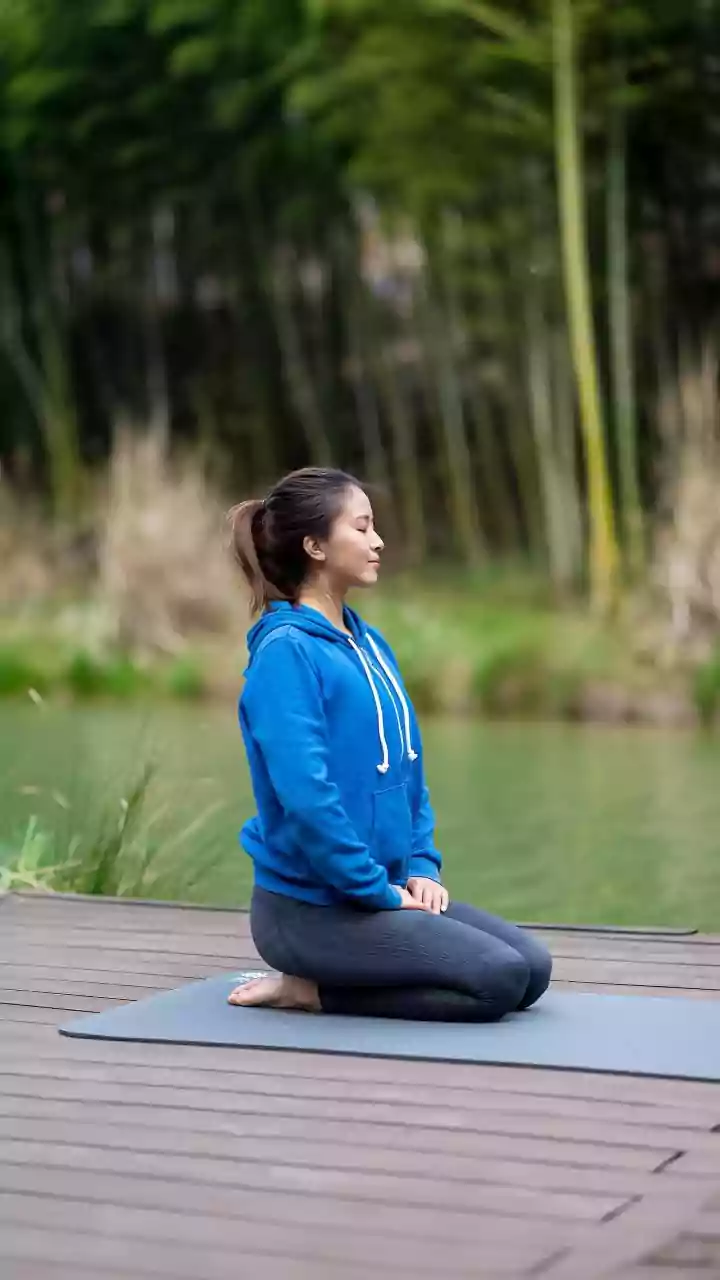
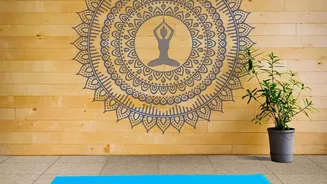

Craving a moment of peace in a busy world? Creating a dedicated yoga space at home can transform your practice, and it doesn't require a large room or budget. A few thoughtful touches can turn any small corner into your personal sanctuary.
Find Your Foundation
The most essential
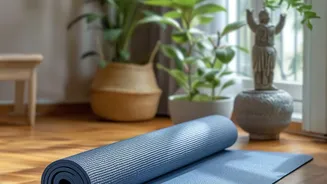
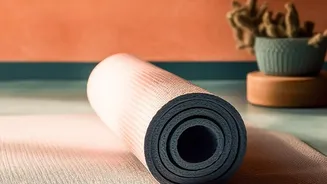
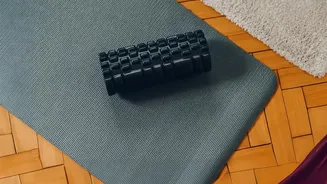
item is a yoga mat, which defines your personal space and provides cushioning and grip. You don't need the most expensive one; a standard thickness of around 3mm to 6mm offers a good balance of support and stability for most practices. If you have sensitive joints, a thicker mat can provide extra comfort during seated poses and floor work. The key is to find a mat that prevents slipping and makes you feel grounded. Look for a hard, level surface to place your mat, as this works best for maintaining balance. Your space only needs to be large enough for your mat and for you to move comfortably.
Gather Your Support Props
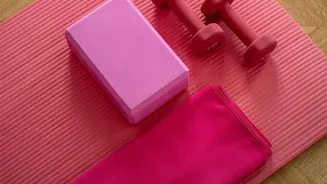
Props help make poses more accessible and comfortable, and you can easily find budget-friendly or DIY versions. Yoga blocks are incredibly versatile for support. You don't need to buy them; a sturdy stack of five or so books tied together with a necktie or belt works just as well. A yoga strap helps with stretching, but a simple belt, scarf, or the very same necktie can do the job perfectly. These tools are not just for beginners; they allow practitioners of all levels to find proper alignment and avoid injury.
Introduce Comfort and Calm
For restorative yoga or simply to make your practice more comfortable, a bolster is a wonderful addition. You can create a DIY bolster by rolling two or three firm blankets together and tying them securely. A neatly folded blanket can also serve as a cushion to sit on or to place under your knees for extra padding. Having a soft blanket nearby is also perfect for covering yourself during Savasana (corpse pose) at the end of your practice, helping you to relax completely and stay warm.
Declutter Your Space and Mind
A calm space begins with a clear space. Before you begin your practice, take a few moments to declutter the area. This doesn't mean a massive cleanup; simply moving unnecessary items out of your immediate view can do wonders for your focus. Use a basket to neatly store your mat and props when not in use. The act of clearing your physical space helps signal to your mind that it's time to let go of mental clutter, creating a more intentional and mindful practice.
Engage Your Senses
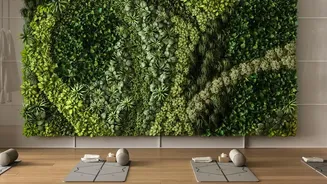
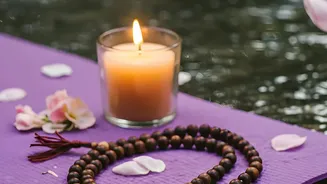
Transform your corner into a sanctuary by engaging your senses. Soft lighting can instantly make a space feel more calming; natural light from a window is ideal, but a simple lamp with a warm bulb also works well. Introduce a pleasant, subtle scent with an essential oil diffuser or a candle. Sounds can also set the mood. You can play a curated playlist of calming music, listen to a guided meditation, or simply enjoy the silence. A small plant can add a touch of nature and life to your space. These small details help associate the area with relaxation, making it easier to transition into a state of mindfulness.