





Understanding Monsoon 'Weather Mode'
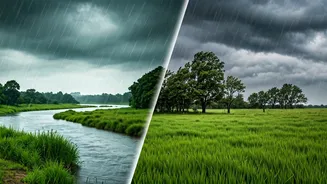
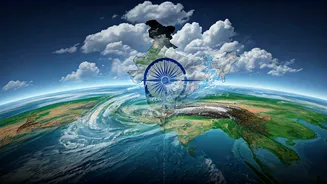
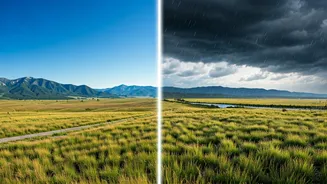
July is the peak of the monsoon for a vast portion of India. This isn't just a bit of rain; it's a powerful weather system that brings heavy downpours, high humidity, and warm temperatures often exceeding 30°C. The experience varies by region. Coastal
areas like Goa and Kerala can receive nearly 1000mm of rain, while inland cities like New Delhi see significantly less, around 180mm. This season transforms the country into a vibrant green paradise but can also lead to waterlogged streets, travel delays, and landslides, particularly in mountainous regions. For travellers, this means that flexibility and smart planning are essential.
Embrace the Rains: Best Places to Go
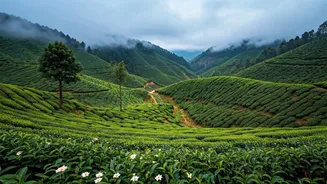
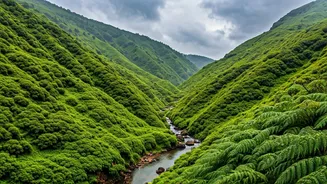
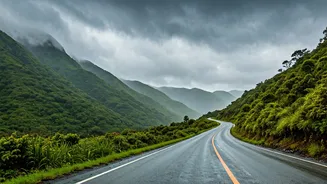
While some may shy away, the monsoon offers a magical experience in the right places. The high-altitude deserts of Ladakh and Spiti Valley are prime destinations, as they lie in a rain shadow area and remain mostly dry and accessible. For those who want to experience the monsoon's beauty, hill stations in the Western Ghats like Lonavala, Mahabaleshwar, and Coorg in Karnataka come alive with gushing waterfalls and verdant landscapes. In Rajasthan, cities like Udaipur see just enough rain to bring their lakes back to life and wash the desert dust away, offering a romantic atmosphere with fewer crowds. The Northeast, particularly Shillong, becomes misty and ethereal, earning its name as the 'Scotland of the East'.
Caution Zones: Where to Reconsider
The monsoon's power makes some regions risky in July. It's wise to avoid trekking or travelling extensively in mountainous states like Uttarakhand, as they are prone to landslides and flash floods. The 2013 Kedarnath tragedy serves as a stark reminder of the dangers. Low-lying and flood-prone areas, such as parts of Assam and Orissa, can also be difficult and dangerous to navigate during this time. While beautiful at other times, popular spots like Mumbai and Darjeeling can be challenging; Mumbai faces significant waterlogging that can halt city life, and Darjeeling often contends with road blockages from landslides.
Your Monsoon-Ready Packing List
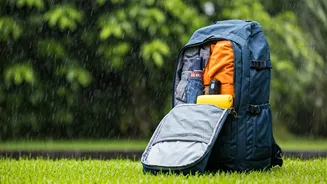
Packing correctly is the key to a comfortable monsoon trip. Opt for lightweight, synthetic, and quick-drying clothes; heavy fabrics like denim are a poor choice as they take forever to dry in the humidity. A sturdy, lightweight rain jacket and a compact umbrella are non-negotiable. For footwear, waterproof sandals with a good grip are better than flip-flops, which can be treacherous on slippery streets. A waterproof cover for your backpack and smaller dry bags for electronics like your phone and camera are essential. Finally, pack a good insect repellent, as the wet season is peak time for mosquitoes and the diseases they carry.
Staying Healthy and Safe
Health precautions are vital during the monsoon. The risk of water-borne and insect-borne diseases like dengue and malaria increases. Drink only bottled or properly treated water and be cautious with street food, opting for hot, freshly prepared meals to avoid stomach issues. Travel plans may be disrupted by flight delays or blocked roads, so it is important to build extra time into your itinerary and check weather forecasts regularly. Avoid being overly adventurous on treks or drives, as paths can be slippery and conditions unpredictable. Always have a basic first-aid kit with medications for common ailments like colds and stomach upset.