





Decoding the IMD's Colour Alerts
The India Meteorological Department (IMD) uses a colour-coded system to warn citizens about weather conditions. Understanding this system is the first step in making an informed decision about your travel plans. It’s a simple way to communicate the severity
and potential impact of the weather. The four colours are Green, Yellow, Orange, and Red. Each colour corresponds to a specific level of intensity and advised action. Green (All is Well): This means no advisory is needed. Weather conditions are considered normal, and you can proceed with your plans without any weather-related concerns. Yellow (Be Aware): This is the most common alert during the monsoon. It indicates the possibility of moderate rainfall and advises the public to be aware. While it doesn't pose an immediate threat to the general population, it can disrupt daily activities. Orange (Be Prepared): This is a serious warning. An Orange Alert is issued when heavy to very heavy rainfall is expected. This level of rain can lead to disruptions in transport, power outages, and waterlogging. Red (Take Action): This is the highest level of warning. A Red Alert signifies a forecast of extremely heavy rainfall that poses a significant threat to life and property. It calls for immediate action to ensure safety.
The Yellow Alert: Proceed with Caution
A Yellow Alert is often a judgement call for travellers. It signals potentially bad weather, but not severe enough to bring everything to a halt. For a city-based trip involving museums or indoor dining, a Yellow Alert might just mean packing an umbrella and waterproof footwear. However, if your plans involve trekking, a long drive through hilly terrain, or other outdoor adventures, you need to be more cautious. Localised flooding in low-lying areas is possible, and roads can become slippery. Before you leave, check local advisories for your specific destination and consider the nature of your activities. It's wise to have a flexible itinerary and a backup plan.
The Orange Alert: Seriously Reconsider
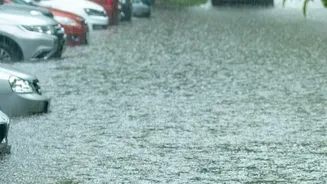
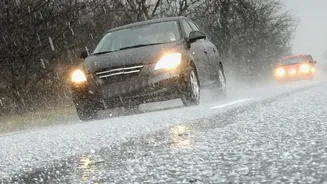
When an Orange Alert is issued, it's time to be prepared for significant disruptions. This warning indicates a high likelihood of heavy rainfall (between 115.6 mm and 204.4 mm in 24 hours) that can cause flooding, landslides in hilly areas, and severe traffic snarls. Travelling to remote or vulnerable destinations during an Orange Alert is strongly discouraged. Driving conditions can become hazardous, with poor visibility and waterlogged roads. Essential services like electricity and communication may be interrupted. Unless your travel is absolutely essential, the safest course of action is to postpone your trip or change your destination to a safer area. If you are already at your destination, it is best to stay indoors.
The Red Alert: A Definite No-Go
A Red Alert is the most serious warning and should be treated as such. It indicates that extremely heavy rainfall (over 204.5 mm in 24 hours) is expected, which can lead to widespread flooding, major disruption of essential services, and a significant risk to life. During a Red Alert, all non-essential travel should be cancelled. The authorities may issue evacuation orders for people in vulnerable, low-lying, or landslide-prone areas. Trying to proceed with a leisure trip under these conditions is not only dangerous but can also strain emergency response resources. Your safety and the safety of others should be the top priority. Heed the advice of local authorities and avoid travel at all costs.
Your Weekend Risk Checklist
Before making a final decision, run your plans through this quick risk assessment:
Destination: Is it a hilly region prone to landslides? A coastal area at risk of high tides and flooding? Or a city with known waterlogging issues? Hilly and remote areas carry higher risks.
Activities: Are your plans outdoors and weather-dependent, like hiking or beach time? Or are they mostly indoors? Heavy rain can ruin an outdoor trip but might be manageable for a city break.
Logistics: How are you travelling? A long road trip is riskier in heavy rain than a flight, though flights can also be delayed or cancelled. Check your vehicle's condition, especially the tyres, before starting any road trip in the monsoon.
Flexibility: Are your bookings refundable? Having flexible travel plans and even travel insurance can save you from financial loss if you need to cancel.