



The New Reality of Monsoon Travel
For years, the rainy season was considered a travel off-season, a time for discounted hotel rates and spontaneous road trips. That logic no longer holds. A combination of rising domestic tourism, the ‘work-from-anywhere’ culture, and a desire for nature-centric
breaks has created a significant surge in demand for popular monsoon destinations. One of the most prominent examples is the Lonavala-Khandala belt near Mumbai and Pune. This year, the area is not just busy; it's operating under a new set of rules that are changing how visitors experience it.
Lonavala's New Safety Measures
Responding to a massive influx of tourists and a series of tragic accidents in previous years, the Pune District Collector has implemented prohibitory orders for the Lonavala region for the 2026 monsoon. These rules, in effect until August 31, 2026, are not a ban on tourism but a strict set of safety measures. Key restrictions include prohibiting entry to waterfalls, dams, and river areas, banning selfies and filming at risky spots like cliff edges, and forbidding the consumption of alcohol in public tourist areas. These measures were prompted by a rise in drowning incidents and other accidents caused by overcrowding and unsafe behaviour during heavy rainfall.
What This Means for Your Trip
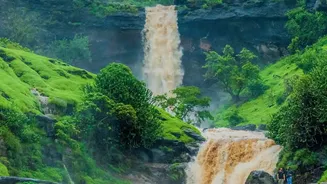
The new regulations and the sheer volume of visitors are creating a ripple effect on bookings. With access to popular spots like Tiger Point and Bhaje Waterfall now more controlled, travelers are spending more time in hotels, resorts, and private villas. This has driven up demand for quality accommodation, with many properties reporting being fully booked on weekends weeks, or even months, in advance. Spontaneous trips are becoming harder to pull off. To secure a good place to stay, especially one with desirable amenities, you now need to plan well ahead, treating a monsoon trip with the same foresight as a peak-season holiday.
Your New Monsoon Booking Timeline
If you have your heart set on a popular rainy-season getaway like Lonavala, Mahabaleshwar, or even increasingly crowded spots in Kerala like Wayanad—which saw a 160% jump in hotel bookings this season—a new approach is needed. Start researching accommodation and finalising your dates at least one to two months before your travel dates, particularly for weekend trips. Monitor local news and official district administration announcements for any new rules or access restrictions. If you plan to visit a destination with trekking trails or eco-tourism zones, like those in Karnataka, be aware that many now require permits booked online 15 days in advance, with slots filling up within minutes.
Consider a Quieter Alternative
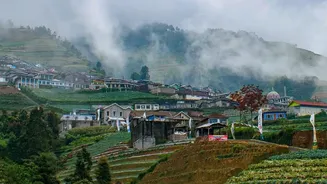
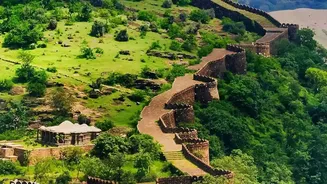
If you're late to the booking game or simply want to avoid the crowds, the monsoon is the perfect time to explore less-hyped destinations. While Lonavala and Munnar grab headlines, places like the Malshej Ghat in Maharashtra, the backwaters of Alleppey in Kerala, or the city of Udaipur in Rajasthan offer stunning monsoon beauty with fewer crowds and more booking flexibility. These locations provide that essential rainy-season charm—misty hills, lush greenery, and a romantic atmosphere—without the stress of competing for a hotel room or navigating restrictive new rules.