



Every December, the hills of Nagaland come alive with the ‘Festival of Festivals’. The Hornbill Festival is a vibrant showcase of Naga heritage. If you plan to witness this spectacle in 2026, here’s what you need to know before heading to Kisama.
The What, When, and Where
The Hornbill
Festival is an annual celebration that brings together all of Nagaland's major tribes for a ten-day cultural extravaganza. Named after the revered forest bird, the festival was started by the state government in 2000 to preserve and promote the rich, diverse cultures of the Naga people. It's a rare opportunity for visitors to experience the unique traditions, dances, foods, and customs of over 16 tribes in a single location. The festival is consistently held from December 1st to 10th each year. The venue is the Naga Heritage Village at Kisama, a purpose-built site located about 12 kilometres from Nagaland's capital, Kohima.
Securing Your Entry Permit
Planning ahead for permits is non-negotiable. All domestic tourists from outside Nagaland must obtain an Inner Line Permit (ILP) to enter the state. This can be applied for online through the official Nagaland government portal. You will need a digital copy of a government-issued photo ID (like an Aadhaar card) and a passport-sized photograph. The process is straightforward and typically takes 24 to 48 hours for approval. Foreign nationals (except citizens of Pakistan, China, and Afghanistan) no longer need a Protected Area Permit (PAP) but must register themselves with the local Foreigner's Registration Office (FRO) within 24 hours of arrival. Always check the latest government regulations before your trip.
Getting to the Festival
Your journey to Hornbill will likely begin at Dimapur, which has the state's only airport and major railway station. From Dimapur, Kohima is a scenic but often winding two to four-hour drive by road (about 70 km). You can hire a private taxi or opt for a shared taxi, which are readily available outside the airport and railway station. The festival venue, Kisama Heritage Village, is another 12 km from Kohima. During the festival, this short stretch can experience heavy traffic, sometimes taking over an hour. Shared taxis and special bus services usually operate between Kohima town and Kisama. To avoid morning rush hour, it's wise to leave for Kisama early.
Where to Stay: Kohima vs. Nearby Villages
Accommodation is one of the most critical parts of your plan, as options fill up months in advance. You have two main choices: stay in Kohima town or opt for a homestay or campsite in a village closer to the festival grounds, like Kigwema, Phesama or Jakhama. Staying in Kohima offers a wider range of hotels, access to restaurants, and the evening Night Carnival. However, it means a daily commute through heavy festival traffic. Staying in a homestay in Kigwema village, which is within walking distance of Kisama, allows you to beat the traffic and offers an authentic experience of Naga hospitality with home-cooked meals. For the more adventurous, tented camping options are also available near the venue.
Must_Have Experiences at Kisama
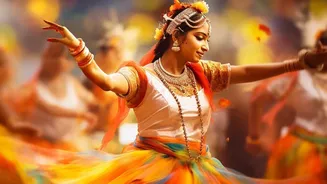
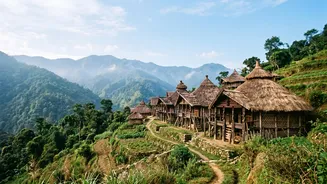
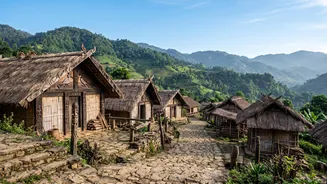
The festival is a feast for the senses. Spend your days exploring the 'morungs', which are traditional tribal dormitories representing each of Nagaland's tribes. Here, you can interact with the locals, learn about their customs, and see artisans at work. The main arena hosts cultural performances throughout the day, with vibrant displays of folk dance and song. Don't miss the chance to sample authentic Naga cuisine, known for its smoked meats, bamboo shoot delicacies, and fiery chutneys. You can also shop for exquisite handwoven shawls, beadwork, and woodcrafts. In the evenings, the Hornbill International Music Festival and Rock Contest offer a contemporary counterpoint to the traditional festivities.
Travel and Cultural Etiquette
Respectful engagement is key to a rewarding visit. Always ask for permission before taking photographs of people, especially elders or during ceremonies. The Naga people are known for their hospitality, so a genuine smile and polite questions will go a long way. Pack warm, layered clothing as December in the hills can be quite cold, especially during the evenings and early mornings. Comfortable walking shoes are a must, as you'll be on your feet exploring the sprawling festival grounds. While English is widely spoken, learning a simple greeting like 'Kumno' (how are you) can be a nice gesture. Lastly, carry sufficient cash, as network connectivity can be spotty and many local stalls may not have digital payment options.