





The Digital Derm: How AI Analyzes Your Skin
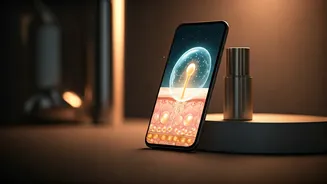
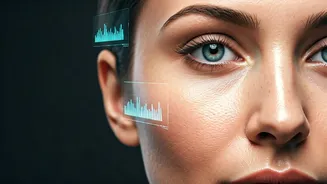
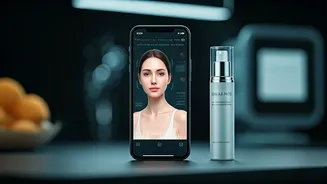
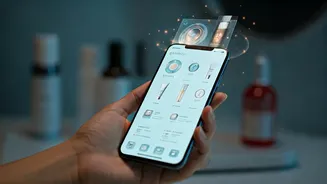
At its core, AI skincare technology uses machine learning and computer vision to do what a shelf full of products can't: offer a seemingly bespoke analysis. Most tools work in a similar way. You start by either taking a selfie or filling out a detailed
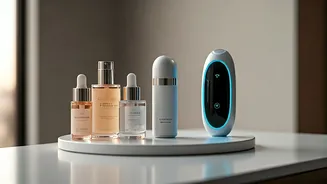
questionnaire. The AI then gets to work, analyzing the image for concerns like fine lines, dark spots, texture, and pore size, or processing your answers about your lifestyle and skin goals. These algorithms are trained on massive databases containing thousands or even millions of images of different skin types and conditions. By comparing your data to these vast datasets, the AI identifies patterns and generates a personalized report, often complete with product recommendations tailored to your specific issues, like suggesting hyaluronic acid for hydration or niacinamide for hyperpigmentation.
The Promise of Personalization
The biggest advantage of AI in skincare is its ability to deliver hyper-personalized recommendations on a massive scale. It cuts through the overwhelming noise of the beauty industry, where thousands of products all claim to be the next big thing. For someone new to skincare, this can be an invaluable starting point. These tools offer accessibility and convenience, putting a skin analysis tool in your pocket that's available 24/7. AI can also track your skin’s progress over time, adjusting recommendations as your skin changes with the seasons, your diet, or your environment. This dynamic approach is a significant step up from the static, one-size-fits-all advice that has dominated skincare for decades. Studies show AI analysis, while not perfect, is significantly more accurate than a consumer's own self-assessment of their skin type.
Reality Check: Where Algorithms Falter
However, AI is not a magic bullet. Its biggest limitation is that it's only as good as the data it's trained on. Many AI models have been trained on datasets that lack diversity, potentially leading to less accurate analyses for people with darker skin tones. Furthermore, a smartphone photo is no substitute for a physical examination. Poor lighting, camera quality, and even makeup can skew the results. An app can't feel the texture of your skin, understand underlying medical conditions, or ask nuanced follow-up questions the way a human can. This can lead to misidentification of issues; what an app flags as simple redness could be a more complex condition like rosacea or an allergic reaction that requires professional diagnosis.
The Dermatologist's View: Tool, Not Replacement
So, what do the professionals think? The consensus among dermatologists is that AI can be a useful tool for cosmetic purposes and user education, but it is not a replacement for a board-certified dermatologist. Many experts warn against relying on apps for diagnosing medical skin issues, especially something as serious as skin cancer, where studies have shown apps can be dangerously inaccurate. As Dr. Joel Schlessinger, a board-certified dermatologist, notes, the technology simply isn't there yet to replace a professional medical diagnosis. Dermatologists see the value in AI for tracking cosmetic progress and encouraging healthy habits, but they emphasize that it should be seen as a supportive companion, not the primary doctor. Some express concern that many apps are simply funnels to sell specific products rather than offering unbiased advice.