





What is a Cloud Kitchen?
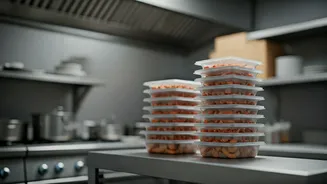
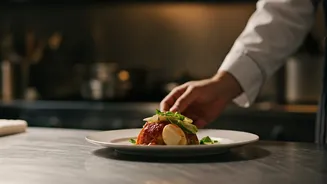
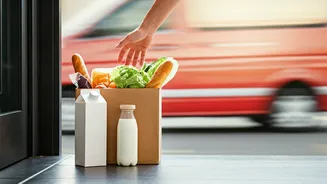
A cloud kitchen, also known as a ghost or virtual kitchen, is a restaurant that has no physical dining space. It's a commercial kitchen designed exclusively for online orders and delivery. Think of it as a food production hub without waiters, tables,
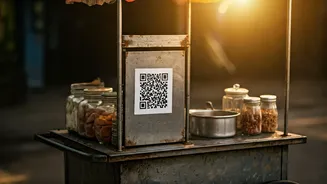
or a fancy storefront. Customers place orders through platforms like Zomato and Swiggy or the brand's own website, and the food is prepared and sent out for delivery. This model has become incredibly popular in India, driven by the convenience of food delivery apps and changing urban lifestyles.
The Secret Sauce: Lower Overheads
The primary advantage of a cloud kitchen is its significantly lower cost structure compared to a traditional restaurant. The biggest savings come from real estate; operators can set up in smaller, low-rent areas instead of prime commercial locations. There are no expenses for interior decor, furniture, or front-of-house staff like waiters and hosts. This lean operational model means a much lower initial investment, allowing entrepreneurs to enter the food industry with less financial risk. These savings on rent, staff, and utilities are the core of how cloud kitchens rework the cost equation.
How Does This Affect Your Food Bill?
With lower operating costs, cloud kitchens have more flexibility with their pricing. While it doesn't always guarantee a cheaper meal, it often translates into more competitive pricing, frequent discounts, or better value propositions like larger portions. The business model is built on volume and efficiency, so attracting orders through appealing prices is a common strategy. Furthermore, a single cloud kitchen can operate multiple 'virtual brands' offering different cuisines—like pizza, bowls, and biryani—all from the same kitchen, using the same staff and ingredients. This operational efficiency can further contribute to keeping prices competitive for the consumer.
The Trade-Offs for the Customer
While the potential for savings is appealing, the cloud kitchen model has its downsides for customers. The most obvious is the complete lack of a dining experience—there's no ambience, social interaction, or service. There's also a heavy reliance on delivery aggregators, and issues like delayed delivery or poor packaging can ruin a meal, with little direct recourse for the customer. The rise of virtual brands can sometimes create a trust deficit, as it can be difficult to know the origin and hygiene standards of a kitchen that exists only as a name on an app.
A Look at the Future
The cloud kitchen market in India is not just surviving; it's projected to grow significantly, expected to become a market worth billions of dollars by the early 2030s. The industry is becoming more sophisticated, using technology like AI to predict demand and optimize operations. For consumers, this means the trend of convenient, delivery-focused food is here to stay. As competition intensifies, brands will likely focus more on building trust, improving food consistency, and creating unique online identities to stand out. The focus may shift from just being a low-cost option to being a reliable, high-quality one that happens to be delivery-only.