
The breakfast aisle can be a confusing place, with countless boxes claiming to be healthy. But when it comes to grains, how they are prepared matters just as much as what they are. Let's break down why an intact grain is a nutritional powerhouse.
The Anatomy of a Whole Grain
To understand
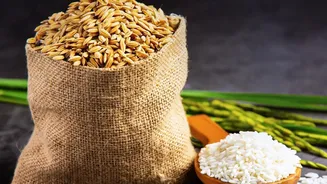
why processing matters, you first need to know what makes a grain 'whole'. Every whole grain kernel, whether it's wheat, oats, or rice, consists of three edible parts: the bran, the germ, and the endosperm. The bran is the fibre-rich outer layer, packed with B vitamins, minerals like iron and magnesium, and antioxidants. The germ is the embryo of the seed, a tiny core containing healthy fats, vitamin E, and more B vitamins. The endosperm is the largest part and serves as the grain's food supply; it's mostly starchy carbohydrates with some protein and a few vitamins. A true whole grain contains all three parts in their original proportions, offering a complete nutritional package.
From Intact Kernel to Processed Flake
The journey from a field to a breakfast bowl often involves heavy processing that fundamentally changes the grain. To make flakes, manufacturers typically use industrial milling to strip away the bran and the germ. This is done for a few reasons: it creates a finer, softer texture and removes the fatty germ, which can limit the product's shelf life. What's left is the starchy endosperm. This is then cooked, flattened by giant rollers, and toasted at high temperatures to create the crispy flakes we know. While efficient for mass production, this process sacrifices a huge portion of the grain's natural goodness.
The Nutrients Lost in Translation
When the bran and germ are removed, the nutritional losses are significant. The most notable loss is dietary fibre, which is crucial for digestive health, steadying blood sugar levels, and helping you feel full longer. Along with the fibre, a large portion of B vitamins, vitamin E, iron, magnesium, and protective plant compounds called phytochemicals are also stripped away. Many manufacturers 'enrich' the final product by adding back some synthetic vitamins and minerals, like iron and B vitamins. However, they can't replace the full spectrum of nutrients, especially the fibre and the complex blend of antioxidants found in the original whole grain.
The 'Ancient Grains' Advantage
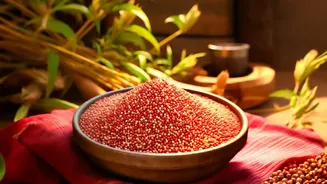
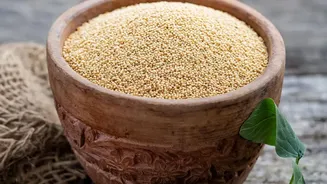
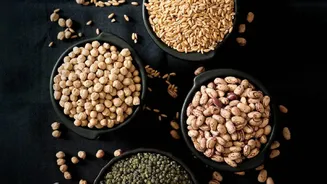
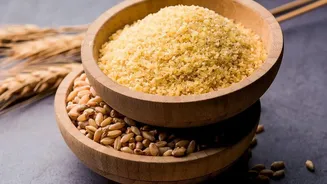
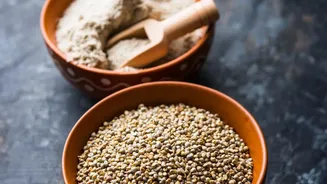
This is where 'ancient grains' come into the picture. This term refers to grains that have remained largely unchanged for hundreds or thousands of years, such as quinoa, amaranth, spelt, millet, and sorghum. Unlike modern wheat or corn, which have been extensively bred for high yields, these grains are often consumed in a form closer to their natural state. Because they are typically less processed, they often retain their bran and germ, delivering more protein, fibre, and minerals than their refined counterparts. For example, quinoa is a complete protein, containing all nine essential amino acids, while teff is a tiny grain packed with calcium and iron.
How to Choose Truly Whole Grains
Navigating grocery store labels can be tricky. Words like 'multigrain' or 'made with whole grain' don't guarantee the product is nutritionally superior; they may contain very little whole grain. To make a smart choice, always check the ingredients list. Look for the word 'whole' before the name of the grain, such as 'whole wheat flour' or 'whole oats', as the very first ingredient. If a whole grain is the first ingredient listed, you know it's the most prominent component by weight. Choosing products labelled '100% whole grain' is an even safer bet, as it ensures all the grain used is whole.