


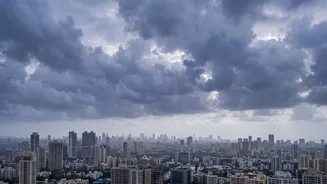
An Unusually Dry August
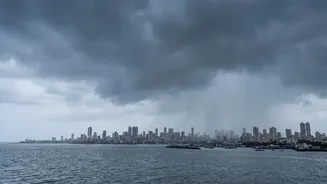
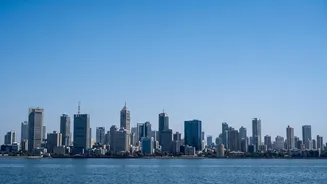
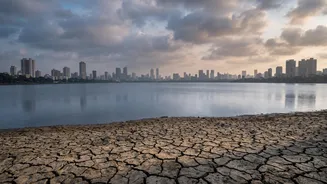
The numbers confirm what residents have been feeling: the rain has been sparse. According to data from the India Meteorological Department (IMD), rainfall recorded at the Santacruz observatory between August 1 and 25 was just 302.3 mm. This is a stark
contrast to the 1054.2 mm received during the same period last year, representing only about 28% of last year's total for these dates. While the season started with a major deficit in June across India, a strong July helped close the gap. However, the monsoon weakened again in August, leaving Mumbai and other parts of the country drier than usual. Forecasters expect light to moderate showers for the remainder of the month, but no heavy spells are on the immediate horizon.
How Worried Should We Be About Water?
Despite the dry August, the city's water situation is not yet critical, thanks to the heavy rainfall in July. As of August 27, the seven lakes that supply Mumbai's drinking water held a combined stock of 13.87 lakh million litres, which is 95.84% of their total capacity. This is a comfortable position, though slightly lower than the 96.74% recorded on the same date last year. One of the seven reservoirs, Vihar Lake, is 100% full. The healthy lake levels are a buffer against immediate water cuts, a relief for a city that faced restrictions as recently as June when reservoir levels were worryingly low. However, authorities are monitoring the situation closely, as a weak September could still put pressure on supplies for the coming year.
A Monsoon Break or a Pattern Shift?
Experts point to several factors for the subdued August rainfall. The primary culprit is the strengthening El Niño phenomenon in the Pacific Ocean, which is known to suppress monsoon activity over India. The IMD had forecast a below-normal monsoon for the country as a whole for 2026, and this weak phase aligns with those predictions. Nationally, the monsoon is on course to be the weakest since 2009. This isn't just a simple dry spell; it fits into a broader, more concerning pattern of monsoon variability that scientists have been observing. The rhythm of the monsoon appears to be changing, with long dry periods punctuated by short, intense bursts of extreme rain. This volatility makes water management and agriculture incredibly challenging.
The Climate Change Connection
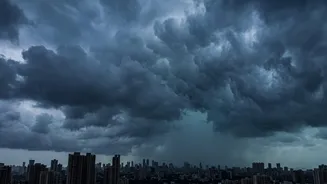
The erratic behaviour of the monsoon is increasingly being linked to global warming. Climate models suggest that for every degree Celsius of warming, monsoon rainfall is likely to increase by about 5%, but this increase is not evenly distributed. Instead, it manifests as more chaotic and unpredictable seasons. We are seeing this play out in real time: intense, flood-causing downpours in one week, followed by long, drought-like conditions in the next. This shift from consistent, moderate rainfall to a pattern of extremes poses a significant threat. It challenges the capacity of urban infrastructure, designed for older rainfall patterns, and disrupts the agricultural calendar that millions depend upon. This year's quiet August serves as another data point in this worrying global trend.