


More Than Nine Nights of Worship
Sharad Navratri, which in 2026 begins on October 11, has always been one of India's most significant festivals, honouring the divine feminine energy, or Shakti. Historically, its observance has been a beautiful mosaic of regional diversity. In Gujarat,
it's synonymous with the vibrant Garba and Dandiya Raas dances. West Bengal celebrates it as Durga Puja, with artistically elaborate pandals and emotive rituals. Meanwhile, Tamil Nadu observes it with the charming tradition of 'Golu' doll displays. These celebrations, while all honouring Goddess Durga, remained largely distinct. However, in recent years, the lines have begun to blur. What were once localised customs are now flowing into a mainstream current, creating a shared cultural experience that extends far beyond state borders.
The Great Garba Migration
The most visible driver of this shift is arguably the dance form of Garba. Originating in the villages of Gujarat, this joyful, circular dance has been recognised by UNESCO as an Intangible Cultural Heritage. But its appeal has officially gone national. In cities like Mumbai, Bengaluru, and Delhi, Garba is no longer just a community ritual; it's a major social event. Dance studios offer multi-day workshops teaching everything from basic two-taali steps to complex, high-energy choreography inspired by trending songs. These aren't just small classes; they are large-scale events with tickets, celebrity instructors, and a blend of traditional and fusion music, turning the dance into a modern social and fitness phenomenon.
A Festival Worn and Tasted
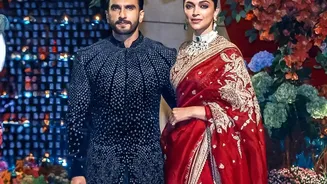
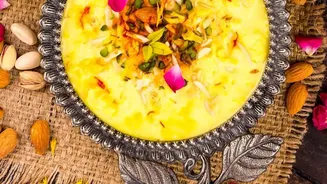
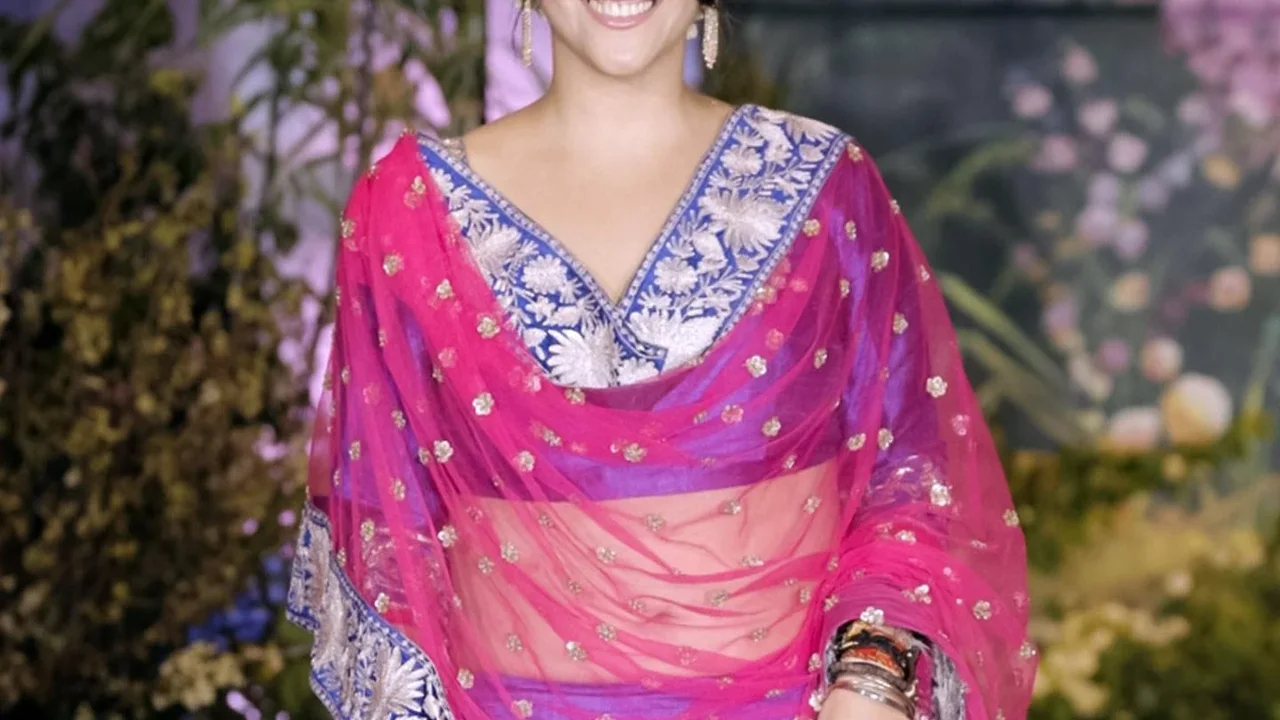
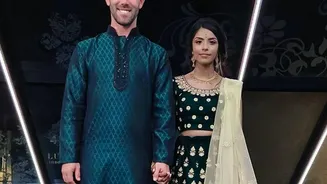
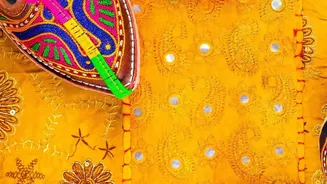
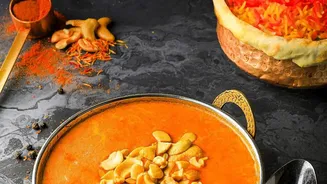
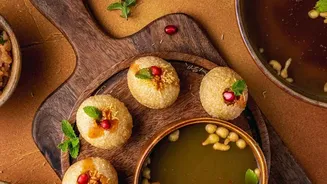
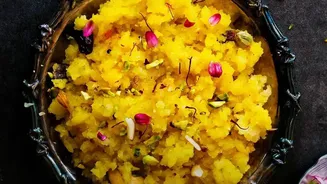
Fashion and food have also become central to this new, pan-Indian Navratri lifestyle. The classic Garba attire—a colourful chaniya choli with mirror work and oxidized silver jewellery—is now a staple of festive fashion across the country, heavily promoted by e-commerce giants and fashion influencers. For 2026, trends point towards not just traditional brights but also rich jewel tones and comfortable, lightweight fabrics perfect for long nights of dancing. Similarly, Navratri fasting food is getting a makeover. While traditional ingredients like sabudana and kuttu flour remain, restaurants and food bloggers are innovating with creative vrat-friendly recipes, from buckwheat pancakes to amaranth parathas, making the fast a shared culinary experience.
Echoes of Bengal and the South
The cultural exchange isn't a one-way street. While Garba might be the most dominant export, other traditions are finding new audiences too. The grandeur of West Bengal's Durga Puja, another UNESCO-recognised heritage, is now replicated in many cities, with elaborate pandals in places like Delhi and Pune becoming major attractions for people from all communities. The South Indian tradition of Golu, the thematic display of dolls, is also gaining wider visibility, appreciated for its artistry and the social custom of visiting homes to view the arrangements. These cross-cultural adoptions show a growing curiosity and appreciation for the country's diverse festive practices.
The Digital Pandal
Underpinning this entire phenomenon is the power of social media. Platforms like Instagram and Facebook have become virtual stages for every aspect of the festival. A perfectly executed Garba spin, a stunning outfit of the day, or a beautifully arranged plate of fasting food can become a viral Reel, reaching millions in moments. This digital sharing doesn't just display celebration; it teaches it. Hashtags and tutorials democratise access to regional traditions, allowing someone in Punjab to learn a Garba step or a person in Karnataka to try a Bengali festive recipe. This online connectivity transforms personal celebrations into public content, accelerating the festival's evolution from a set of sacred rituals to a shared lifestyle trend.