



The Serving Size Illusion
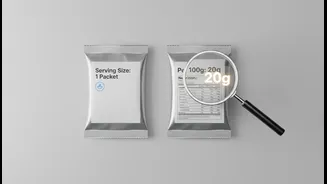
It’s a common scenario: you glance at two different drinks, check the caffeine content, and make a choice. One can says 80 mg of caffeine, and another says 160 mg. The second one is clearly stronger, right? Not so fast. The number that matters most is the serving
size. That 80 mg drink might be a small 250 ml can, while the 160 mg drink is a large 500 ml container. In this case, the caffeine concentration is exactly the same. Drink manufacturers often use different serving sizes, which can make direct comparisons misleading. A small can of Red Bull (250 ml) contains about 80 mg of caffeine, whereas a standard can of Monster (500 ml) has about 160 mg. While Monster appears to have double the caffeine, you're also drinking double the liquid. The key is to look at caffeine per 100 ml to get a true apples-to-apples comparison.
A True Apples-to-Apples Comparison
To become a smarter consumer, stop looking at the total caffeine per container and start thinking in terms of concentration. Here’s a rough guide to how much caffeine is in every 100 ml of popular beverages: A standard brewed coffee can vary widely but often falls between 33-65 mg per 100 ml. Your daily cup of masala chai is much gentler, typically containing 12-20 mg of caffeine per 100 ml. Most popular energy drinks like Red Bull and Monster are quite consistent, containing about 32 mg of caffeine per 100 ml. A caffeinated soft drink is on the lower end, usually with 9-14 mg per 100 ml. So, while a big can of an energy drink might deliver a large total dose of caffeine, a small, strong cup of coffee can have a higher concentration of the stimulant. It's the total amount you consume over the day that matters, and the Indian Council of Medical Research (ICMR) suggests a daily limit of 300 mg.
How to Read the Label Like a Pro
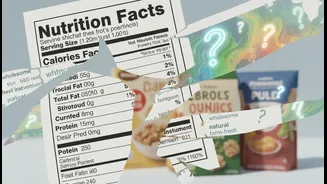
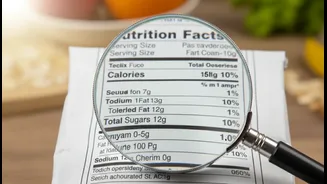
Navigating nutrition labels is the key to mastering your caffeine intake. First, find the 'serving size' and the 'servings per container'. Many large bottles and cans contain two or more servings, meaning you need to multiply all the numbers on the label if you drink the whole thing. Next, locate the caffeine content. In India, the Food Safety and Standards Authority of India (FSSAI) has regulations around caffeine, and it is often listed separately from the main nutrition panel. It will be listed in milligrams (mg). If you want to compare two drinks of different sizes, do a quick calculation: divide the total caffeine by the total volume in millilitres (ml), then multiply by 100. This gives you the caffeine content per 100 ml, allowing for a fair comparison no matter the container size. This simple step helps you look past the marketing and understand exactly what you're drinking.
Beyond Packaged Drinks: The Unlabelled Boost
What about the drinks that don't come with a neat label, like the filter coffee from your local cafe or the chai from a street-side stall? The caffeine content here can be even more variable. For coffee, it depends on the beans used (Robusta has nearly double the caffeine of Arabica), the roast, the brewing method, and the final serving size. A standard cup of brewed coffee (about 240 ml) typically has around 95 mg of caffeine, but a large takeaway coffee can be much larger and therefore contain significantly more. Similarly, the strength of chai depends on the type of tea leaf used, how long it’s brewed, and the tea-to-milk ratio. While it's harder to get an exact number, it’s safe to assume a professionally brewed coffee will generally have a higher caffeine content than a typical cup of homemade chai.