






First, Understand Your Sunlight
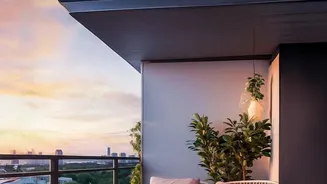
Before buying a single plant, become an expert on your balcony's light. The biggest mistake beginners make is choosing plants that don't match their available sun. For one clear day, observe how many hours of direct, unobstructed sunlight hit your balcony floor
and railings. South-facing balconies in India typically get the most intense, all-day sun. East-facing spots get gentler morning light, while west-facing ones get strong afternoon sun. North-facing balconies receive the least direct sun and are best for shade-tolerant plants. Knowing if you have 6+ hours (full sun), 3-6 hours (partial shade), or less than 3 hours (shade) will guide every decision you make.
Choose Plants for Your Light
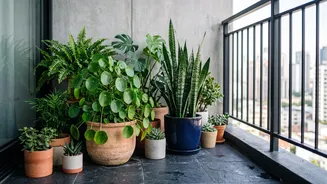
Now that you're a sunlight expert, you can choose plants that will thrive. For sunny, south-facing balconies that get over 6 hours of light, consider heat-lovers like Bougainvillea, Portulaca (Moss Rose), Lavender, and succulents like Aloe Vera and Jade Plants. These are hardy and can handle the brightness. For balconies with partial shade (3-6 hours), you have many options. Herbs like mint and parsley do well. Flowering plants like Begonias and Petunias are also great choices. If your balcony is mostly shady, don't despair. Focus on lush foliage with plants like the Snake Plant, ZZ Plant, and Money Plant (Pothos), all of which are famously low-maintenance and adapt well to lower light.
The Simple Art of Watering
Overwatering is the most common cause of death for container plants. Instead of watering on a rigid schedule, learn to check your plants first. The best method is the 'finger test': stick your finger about one to two inches into the soil. If the soil feels dry at that depth, it's time to water. If it's moist, wait another day. When you do water, do it thoroughly until you see water run out of the drainage holes at the bottom of the pot. This ensures the entire root ball is hydrated. Small pots dry out faster than large ones, and terracotta pots dry out faster than plastic ones, so check each plant individually.
Creating a Flexible Watering Schedule
While a fixed schedule is risky, a routine for checking your plants is smart. Plan to check your plants in the early morning or evening. Watering during the heat of the day causes water to evaporate too quickly. In hot, dry weather, you may need to water daily, especially for smaller pots in direct sun. During cooler months or the monsoon season, you'll need to water much less frequently. The key is to adapt. Your schedule is a 'checking' schedule, not a 'watering' schedule. A moisture meter can be a helpful tool to eliminate guesswork if you're unsure.
Essential Care Beyond Water
Great balcony gardens need more than just sun and water. Start with the right foundation: use a high-quality potting mix, not heavy garden soil, which compacts in pots and drains poorly. A good mix often contains soil, coco-peat, and compost. Ensure every pot you use has drainage holes to prevent waterlogging and root rot. Finally, plants in containers have limited access to nutrients, so they need to be fed. Using a slow-release fertilizer or a balanced liquid feed every few weeks during the growing season will keep your plants lush and productive.