





Know When It’s Time for a New Pot
Before you get your hands dirty, it’s important to know if your plant actually needs a new home. Repotting too soon can cause unnecessary stress. Most houseplants need repotting every 12 to 18 months, but they will give you clear signs when they are ready.
Look for roots growing out of the drainage holes at the bottom of the pot. This is the most obvious sign that the plant is root-bound and needs more space. Another clue is how quickly the soil dries out; if you find yourself watering much more frequently because the soil is bone dry in a day or two, the pot is likely full of roots with little soil left to hold moisture. Stunted growth, like new leaves that are smaller than older ones, or a complete lack of new growth during the spring growing season, can also signal that the plant has exhausted its resources and space. Finally, if you can gently slide the plant out of its pot and see a dense mass of roots circling the bottom, it's definitely time to upgrade.
Gather Your Supplies
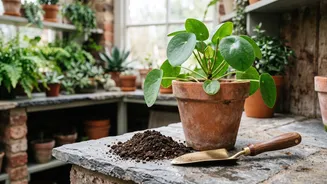
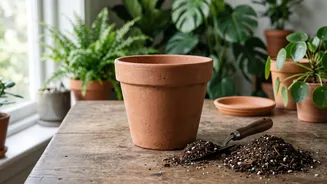
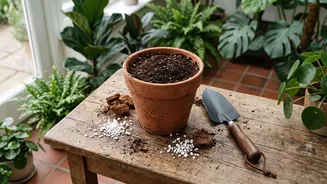
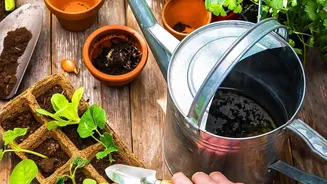
A successful repotting session starts with having everything you need on hand. This prevents you from leaving a plant with its roots exposed for too long while you search for a tool. You will need a new pot that is slightly larger than the old one, fresh potting mix appropriate for your specific plant type, a pair of gloves, and a small trowel or even an old butter knife. It's also wise to lay down some newspaper or a plastic sheet to make cleanup easier. If you plan on trimming any roots, have a clean, sharp pair of scissors or pruning shears ready. Watering your plant a day before you plan to repot can also be beneficial, as it helps the root ball slide out more easily and ensures the plant is hydrated, which can reduce stress.
Choose the Perfect New Pot
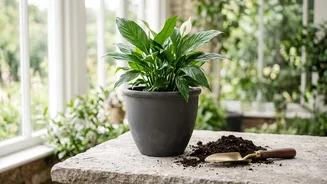
Choosing the right pot is about more than just aesthetics; it's crucial for your plant's health. The most important rule is to select a pot that is only 1-2 inches larger in diameter than the current one. Moving to a pot that is too large can lead to the soil staying wet for too long, which increases the risk of root rot. Ensure your new pot has at least one drainage hole at the bottom. Without drainage, excess water has nowhere to go, suffocating the roots. The material of the pot matters, too. Porous materials like terracotta allow air and moisture to pass through, which helps prevent overwatering and is great for plants like succulents. Glazed ceramic or plastic pots retain more moisture, making them suitable for plants that prefer consistently damp soil.
The Repotting Process: Step by Step
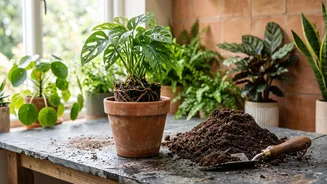
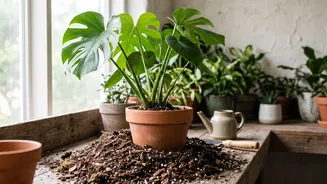
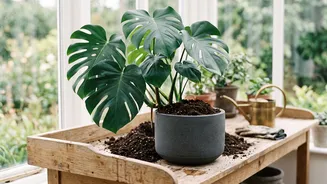
With your supplies ready, it's time to repot. Gently turn the current pot on its side and squeeze or tap the sides to loosen the soil. Carefully slide the plant out, holding it by the base of the stems. Once it’s out, inspect the root ball. If the roots are tightly wound in a circle, gently tease the outer ones loose with your fingers to encourage them to grow into the new soil. If you see any black, mushy, or dead roots, trim them off with your clean scissors. Place a layer of fresh potting mix at the bottom of the new pot. Set the plant on top, ensuring the top of the root ball sits about an inch below the rim of the pot. Fill in the gaps around the plant with more potting mix, gently firming it down to remove any large air pockets, but don't pack it too tightly.
Minimizing Transplant Shock
Transplant shock is the stress a plant experiences after being moved, often showing up as wilting, yellowing, or dropped leaves. This happens because the fine root hairs, which are responsible for most water absorption, can be damaged during repotting. To minimize this, handle the root ball as gently as possible. After repotting, give the plant a light watering to help the soil settle. Then, move it to a spot with bright, indirect light, but avoid direct sun for about a week, as recovering roots can't keep up with the moisture loss that intense light causes. Also, hold off on fertilizing for at least four to six weeks. Fresh potting mix usually has plenty of nutrients, and fertilizer can be too intense for sensitive, newly settled roots.