



The Predictable Chaos of the Gate
Flying during the Indian monsoon is a unique test of patience. Major hubs like Mumbai and Delhi frequently grapple with operational challenges as heavy rains and strong winds sweep through. Recent weeks have seen hundreds of flight delays and numerous
cancellations as airports contend with low visibility, waterlogging, and temporary runway closures. For passengers, this translates into a ground-level experience defined by uncertainty. The boarding gate area, normally a space of transition, becomes a holding pen of anxiety, with travellers glued to information screens and airline apps, hoping their flight is not the next to be rescheduled. The air is thick with the collective stress of potentially missed connections and disrupted plans.
A Front-Row Seat to the Spectacle
The moment you find your window seat, however, the narrative shifts. The frustration of the terminal gives way to a sense of quiet anticipation. As the aircraft taxies and ascends, you become a spectator to one of nature’s most dramatic performances. Instead of being a victim of the monsoon, you are now an observer. Below, the rain-drenched landscape transforms into a tapestry of lush, vibrant greens. Above, the sky is a canvas of magnificent, churning cloud formations — vast mountains of cumulonimbus, lit from within by flashes of lightning. It’s a perspective that turns the inconvenience of the weather into a breathtaking spectacle, offering a view of the monsoon’s raw power and beauty that is impossible to appreciate from the ground.
The Psychology of the Window
There’s a profound psychological shift that occurs when you’re looking at a storm from 30,000 feet. The window seat provides a sense of detachment and safety. You are insulated from the deluge, a passenger in a vessel navigating the edges of the tempest. This feeling of being a calm observer of chaos can be deeply soothing. It provides a rare moment of peace and solitude, a chance to lean your head against the cool pane and simply watch the world — or the weather — go by. In an environment often filled with the chatter of co-passengers and the hum of engines, the window offers a private, silent film. For many, this quiet contemplation is a welcome antidote to the overstimulation of modern travel.
A Photographer’s Dream
In the age of social media, a unique view is a valuable currency. The monsoon from the air is infinitely 'Instagrammable'. The window seat is the only place to capture that perfect shot of a lightning strike illuminating a cloud bank or the surreal colours of a sunset fighting through the storm clouds. Hashtags like #WindowSeatView and #MonsoonSkies are filled with amateur and professional photographs celebrating these ephemeral moments. For many travellers, the ability to document and share this unique beauty is a key part of the experience. It transforms a routine flight into a creative opportunity, a chance to capture a perspective that few get to see and share it with the world.
Embracing the Tarmac Delay
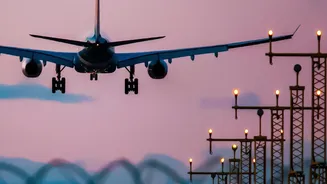
Monsoon travel often involves inevitable delays, not just at the gate but also on the tarmac. This is where the window seat truly proves its worth. While others might be staring at the back of a seat, frustrated by the lack of movement, the window-seat occupant has a live documentary playing out. You can watch ground crews navigate the downpour, see the rain lashing against the wings, and witness other aircraft taking off and landing through sheets of water. This visual distraction makes the wait far more bearable. Instead of feeling trapped and powerless, you are engaged with the environment, observing the intricate dance of airport operations in challenging conditions. The delay becomes part of the journey's story, not just a frustrating pause.