







Beyond Flights and Hotels
The two biggest expenses—airfare and accommodation—are what most travellers focus on. While these form the bulk of your budget, they are merely the starting point. Many people book a cheap flight and a good hotel deal, assuming the rest of the costs are minimal.
However, these smaller, often overlooked expenses can collectively add anywhere from ₹15,000 to ₹30,000 to a week-long international trip. The key is to treat your travel budget like a complete financial plan, not just a shopping list for the two most obvious items. September is a popular month for travel from India, as it often marks a shoulder season with pleasant weather and fewer crowds in destinations like Italy, Greece, and parts of Southeast Asia. This can mean better deals, but it doesn't eliminate the need for careful financial planning.
The Pre-Trip Paper Chase
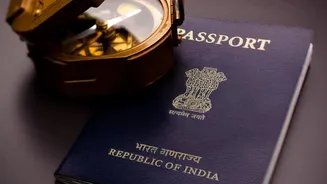
Before you even pack your bags, costs begin to accumulate. Visa fees are a significant and varied expense. For an Indian passport holder, this can range from free entry in countries like Thailand and Malaysia to over ₹15,000 for a UK or Canada visa. A Schengen visa for Europe costs around ₹9,100 (€90) plus service fees. Many travellers forget to account for the additional service charges levied by visa application centres, which can add a few thousand rupees to the bill. Furthermore, many countries require mandatory travel insurance as part of the visa process. While essential for covering medical emergencies, trip cancellations, or lost baggage, the premium itself is an upfront cost. For a standard international trip, this can be 4% to 12% of your total trip cost, depending on the destination and your age.
Currency, Cards, and Hidden Fees
How you spend money abroad is one of the biggest sources of hidden costs. Using your domestic debit or credit card for international transactions typically incurs a foreign currency markup fee of 2% to 3.5% on every single swipe. On a trip where you spend ₹1,00,000, that’s an extra ₹2,000 to ₹3,500 in fees you might not even notice. Another trap is 'dynamic currency conversion', where a terminal abroad offers to charge you in rupees. It seems convenient, but it often comes with a poor exchange rate, costing you more. To save money, consider a zero-markup forex card, which allows you to load foreign currency at a locked-in rate. Also, be wary of withdrawing cash from foreign ATMs, as this can involve a fee from your own bank, a charge from the local ATM operator, and a currency conversion markup.
On-the-Ground Realities
Your budget needs to account for the daily expenses of actually being in a destination. Local transport is a major cost that many underestimate. Airport transfers, in particular, can be surprisingly expensive, as airports are often located far from city centres. Researching public transport options like airport trains or buses in advance can save you a significant amount. Daily food costs also need a realistic estimate. While you may plan for a few nice dinners, the cost of water, coffee, and snacks adds up. In some destinations, tourist or city taxes are charged per person, per night, and are paid directly to the hotel at checkout, meaning they won't appear on your initial booking confirmation. Finally, don't forget entrance fees for attractions, which can be substantial in historic cities.
Budgeting for the Unexpected
A smart travel budget always includes a buffer for unforeseen expenses. Budget airlines might offer cheap base fares, but they often charge hefty fees for checked baggage, with even steeper penalties for overweight luggage at the airport. It's always cheaper to purchase extra baggage online in advance. Other potential costs include international roaming packs for your phone, tips and service charges (which are customary in many countries), and so-called 'resort fees' at some hotels. A general rule of thumb is to add a 10-15% buffer to your total estimated budget. This contingency fund provides a safety net for any surprise costs or a last-minute shopping spree for souvenirs, ensuring you can handle them without stress.