


What is the Spiti Valley?
Tucked away in the northeastern corner of the Indian state of Himachal Pradesh, Spiti is a cold desert mountain valley that sits at an average elevation of over 12,500 feet. Often called "Little Tibet," its landscape, culture, and architecture are profoundly
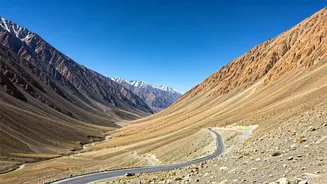
influenced by its proximity to Tibet. For centuries, it was largely inaccessible. Today, it remains a remote outpost of stunning, barren beauty, characterized by jagged peaks, windswept plains, and ancient Buddhist monasteries clinging precariously to cliffs. A road trip here isn't a simple vacation; it's an expedition into one of the most sparsely populated and visually arresting regions on Earth.
The Journey Is the Destination
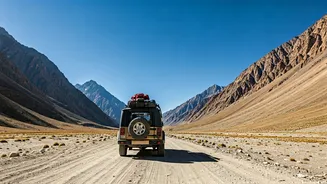
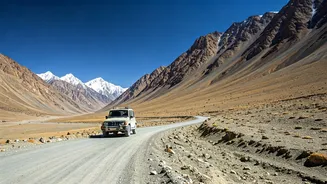
You don't just 'arrive' in Spiti; you earn it. The road trip is the heart of the experience, with two primary routes forming a legendary circuit. The first, from the colonial-era hill station of Shimla, is a longer, more gradual ascent that helps with acclimatization. This road follows the roaring Sutlej River before entering the stark brown landscape of Spiti. The second, more dramatic route is from Manali, via the treacherous Rohtang Pass (or the new Atal Tunnel) and the breathtaking Kunzum Pass (14,931 ft). This route is shorter but involves a rapid, challenging ascent. Most seasoned travelers recommend doing the full circuit: entering from Shimla and exiting via Manali, allowing your body to adjust while saving the most dramatic scenery for the grand finale.
Landscapes from Another Planet
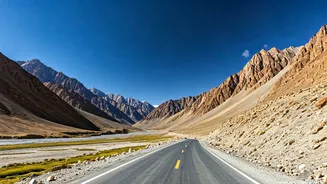
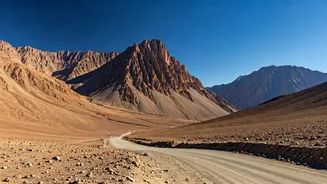
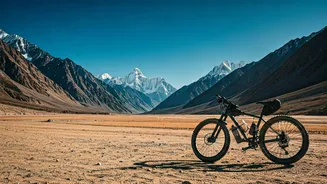
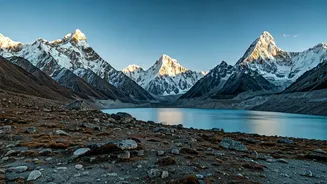
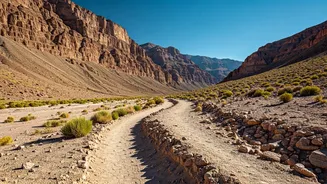
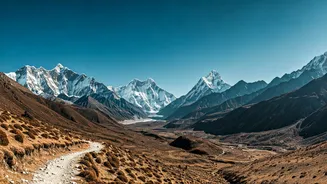
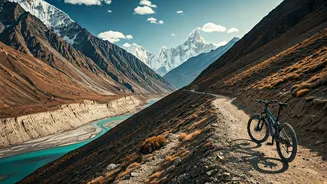
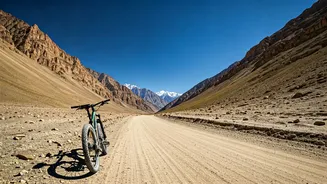
Forget lush green hills. Spiti’s beauty is raw, geological, and powerful. The color palette is one of deep browns, muted ochres, and slate grays, punctuated by the impossible turquoise of the Spiti and Pin Rivers. Every turn on the winding gravel roads reveals a new vista: a deep canyon carved over millennia, a village that appears like a mirage in the vast expanse, or a glacier peeking out from behind a 20,000-foot peak. Key sights include the shimmering Chandratal Lake, known as the "Moon Lake" for its crescent shape, and the sweeping views from the world's highest post office in Hikkim. This is a place where you feel profoundly small against the scale of nature, and your camera’s memory card will fill up faster than you can imagine.
A Glimpse into Ancient Faith
The soul of Spiti resides in its thousand-year-old monasteries. These are not museum pieces but living centers of Tibetan Buddhist faith. The most famous is the Key (or Kye) Monastery, a sprawling, fortress-like complex that looks like it grew organically from the hilltop it occupies. Another essential stop is the Tabo Monastery, a UNESCO World Heritage site founded in 996 AD, renowned for its exquisite murals and stucco sculptures that have earned it the name "Ajanta of the Himalayas." Visiting these places, listening to the drone of monks chanting, and spinning a prayer wheel offers a powerful connection to a way of life that has endured for centuries, largely untouched by the modern world.
Embrace the Epic Challenge
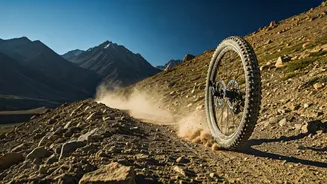
An "epic" trip comes with epic challenges, and Spiti is no exception. This is not a luxury getaway. The primary hurdle is Acute Mountain Sickness (AMS), a serious concern at these altitudes. Proper acclimatization is non-negotiable. The roads are often narrow, unpaved, and subject to landslides. Accommodations are typically basic guesthouses and homestays, offering simple comfort and a priceless opportunity to connect with local families. You’ll need to be flexible, as road closures or weather can force a change of plans at a moment's notice. But for the adventurous traveler, these challenges are part of the appeal. They strip away the non-essential, forcing a reliance on patience, resilience, and a sense of wonder.